Healthy Aging: Joint Care
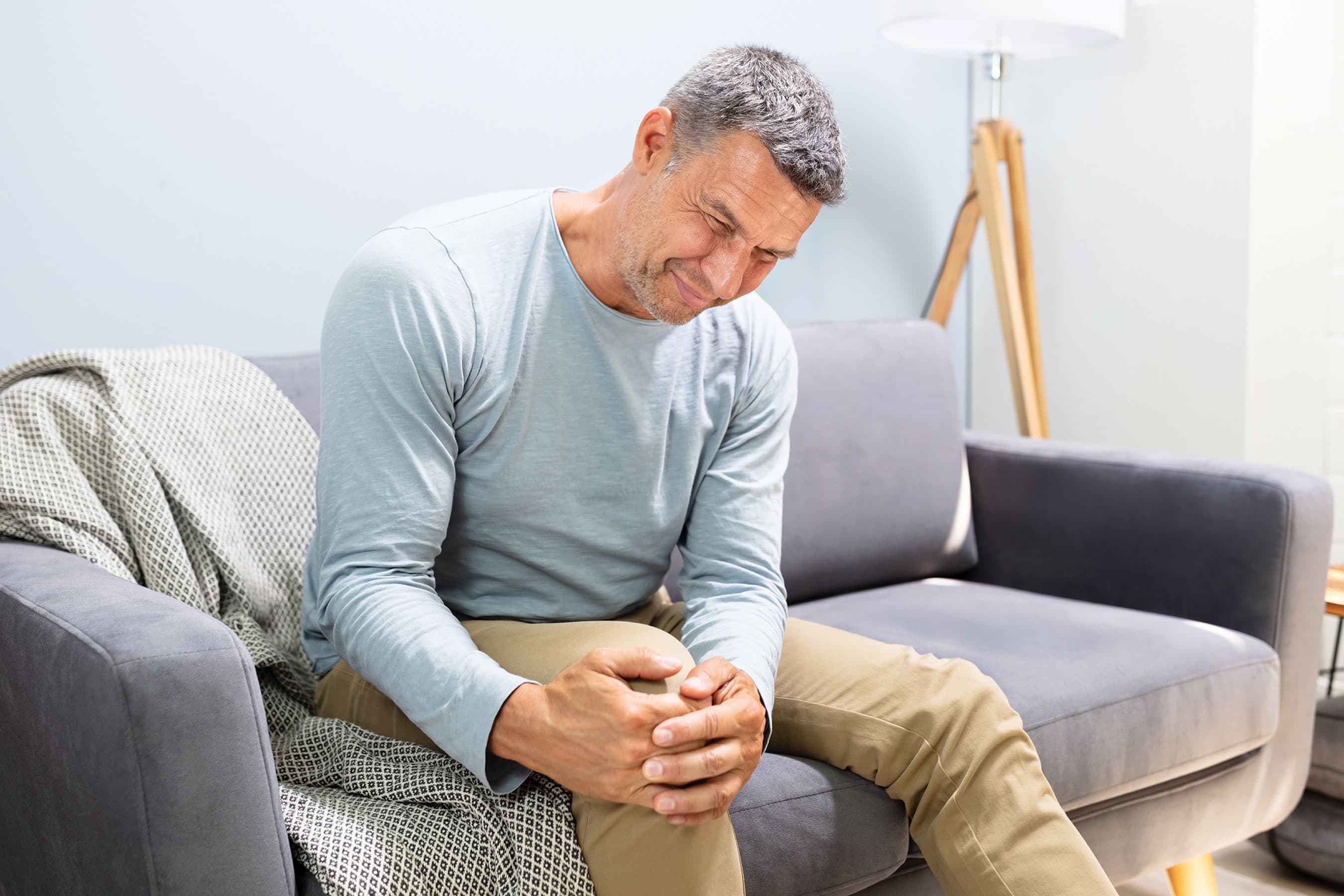
Aging comes with its share of physical changes. Changes in the muscles and bones may make your joints vulnerable to discomfort. But joint pain is not an inevitable part of aging.
Caring for your joints can slow or prevent joint problems from limiting your mobility over time.
Causes
- Arthritis. Inflammation or breakdown of the cartilage in the joint.
- Osteoporosis. The bones become brittle and may compress.
- Stiffness and loss of flexibility
- Being overweight may put more strain on your joints.
- Loss of muscle mass
- Injury causing a strain or sprain
- Bursitis or tendonitis from overuse
- Lupus. Autoimmune disease that attacks the joints.
Treatment
There are many ways to address joint pain. Some things you can do at home, and some require professional medical care. Your doctor may recommend the following:
- Resting the joint
- Keeping the joint raised
- Medication to reduce swelling
- Exercise therapy
- Treatment to address an underlying condition
Self-Care
Joint self-care involves addressing the risk factors for joint pain that are within your control:
- Get regular moderate exercise to help keep joints strong and mobile.
- Lose weight and maintain a healthy weight to prevent excess strain on the joint.
- Eat a balanced diet with plenty of calcium for bone health.
- Protect your joints from injury by choosing safe, low-impact activity.
- Avoid overuse and repetitive injury by varying your movement.
When to See a Doctor
Your doctor is your best resource for problematic joint pain. They can assess the severity of the issue and give targeted recommendations for how to address it. You should talk to your doctor if you have any of these symptoms:
- A high amount of joint pain, numbness, or swelling
- Unable to put weight on the joint
- Pain or swelling from an old injury
- Joint feels unstable or abnormal