HealthyLearn Site Navigation:
Online Clinic
Bone & Muscle
Osteoporosis
July 8, 2026
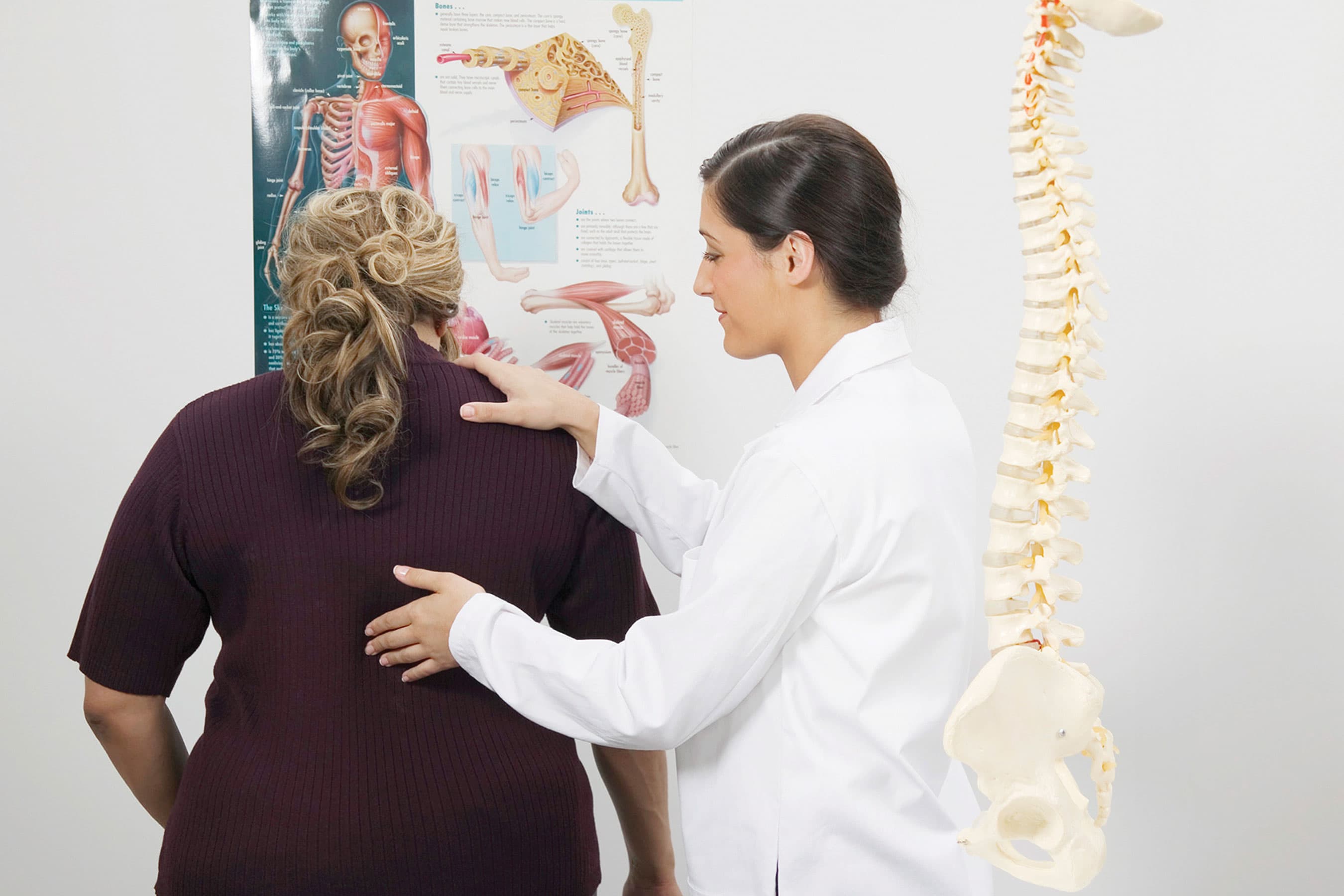
Osteoporosis is a loss of bone mass and bone strength. It makes your bones weak and easier to break.
Signs & Symptoms
You don’t see or feel any changes taking place inside your bones. Often, the first sign is a fracture of a hip, wrist, or the spine. When signs occur they include:
- Gradual loss of height
- Rounding of the shoulders
- Stooped posture
- Sudden back pain
Risk Factors
- Females are 4 times more likely to develop osteoporosis than a man.
- Family history of osteoporosis or broken bones in adulthood.
- Not getting enough exercise, especially the type that bears weight, such as walking.
- You have been on bed rest a long time.
- Not enough calcium and vitamin D.
- You smoke and/or drink too much alcohol.
- You have taken some kinds of medicine for a long time. Examples are corticosteroids, antacids with aluminum, and proton pump inhibitors (for treating acid reflux).
Prevention
- Eat a balanced diet. Include good sources of calcium (low-fat dairy, including fortified plant-based versions), dark green leafy vegetables, broccoli, and sardines and salmon with bones. Good sources of vitamin D include fatty fish, fish oils and other fortified foods, such as milk.
- Every day, get 1,000-1,200 mg of calcium and 600-800 IU from the foods and beverages you consume.
- Quit if you smoke and avoid secondhand smoke.
- Take medications, as prescribed.
- If you have trouble getting enough calcium and vitamin D in your diet, talk with your healthcare provider about taking calcium and vitamin D supplements.
- Do weight-bearing exercise at least 3-4 times a week. Walk, dance, do step aerobics. (Follow exercise guidelines from your health care provider.)
- Avoid or limit alcohol to one drink a day (women and 65+) or two drinks a day (men).
- Get tested for osteoporosis as advised by your health care provider.