HealthyLearn Site Navigation:
Online Clinic
Children's Health
Coughs in Children
July 6, 2026
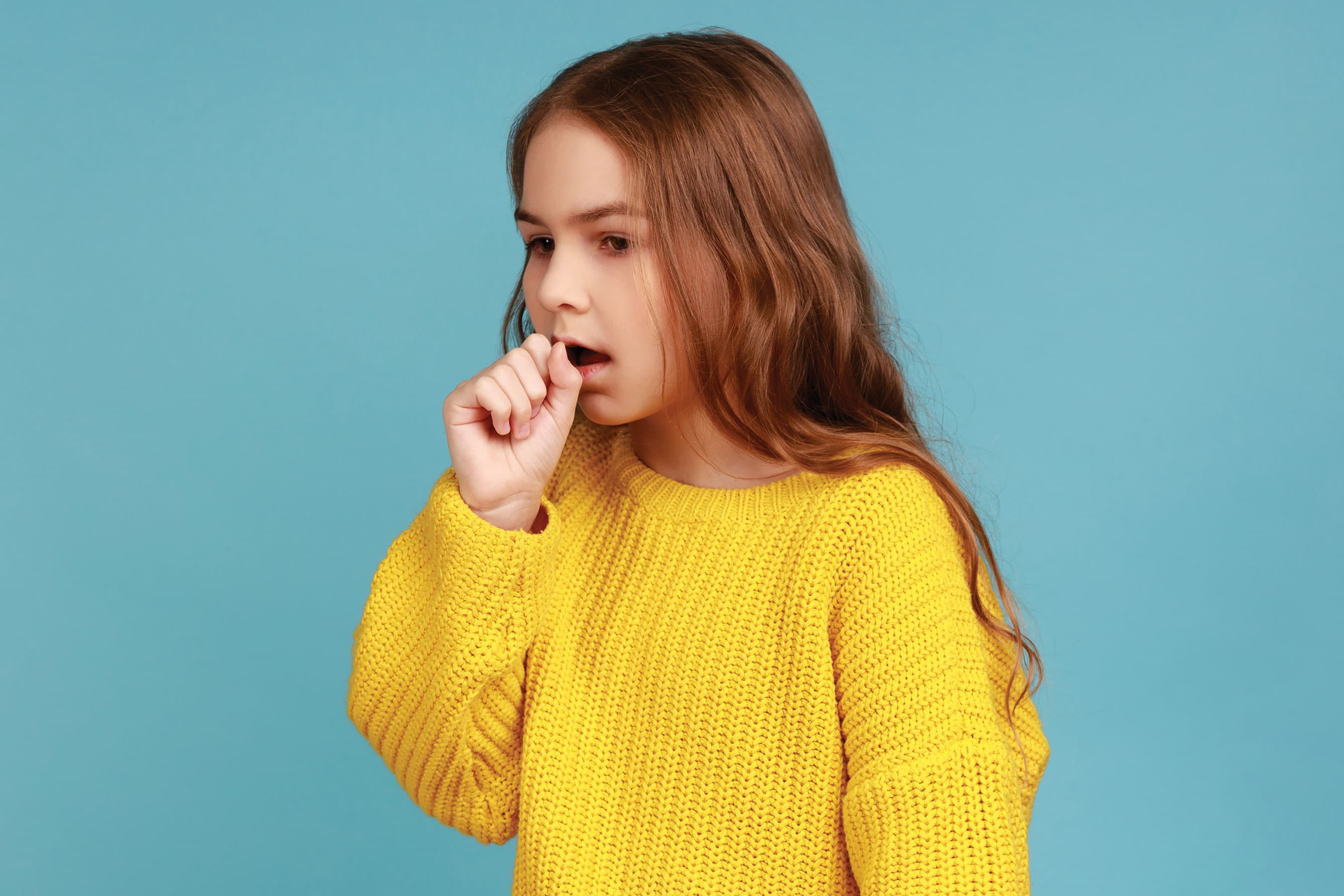
Coughing can be a sign of many problems. Your child’s body uses coughing to clear the lungs and airways.
Causes
Coughing itself is not the problem. What causes the cough is the problem.
Children usually get coughs from an infection in the nose and throat.
Here are some other reasons for your child to cough:
- Asthma
- Bronchitis. This is a respiratory tract infection.
- A cold or the flu
- Croup
- Measles
- Smoking or secondhand smoke
- Swollen adenoids. (This can lead to an infection.)
- Whooping cough. A vaccine for this is part of the DTaP shot.
How to treat a cough depends on what kind it is, what caused it, and the other symptoms. Treat the cause and make the pain better.
Self-Care
- Give your child plenty of liquids, like water and clear soup. These help loosen mucus and soothe a sore throat. Fruit juices are good, but avoid soda or orange juice.
- Use a cool-mist vaporizer, especially in the bedroom. Use distilled (not tap) water. Put a humidifier on the furnace. Keep them very clean. Remember to change the filter on the humidifier.
- Sit with your child in the bathroom with the shower running. The steam can help thin the mucus. (If your child has asthma, do not follow this tip.)
- Raise your child’s head when resting if he or she has a cold or respiratory infection.
- Put your child’s head lower than his or her chest if the infection is in the lungs.
- Have your child suck on cough drops, hard candies, or suckers. Give suckers that have safety loops instead of hard sticks. (Don’t give these to a child under 4 years old.)
- If your baby coughs after eating:
- Have your baby sit up when he or she eats.
- If your baby drinks from a bottle, burp your baby after each ounce of formula. Burp the baby every few minutes when breastfeeding.
- Don’t lie the baby down after feeding.
- Ask your child’s doctor or pharmacist what kind of cough medicine is OK to give your child.
- Don’t smoke. Keep your child away from secondhand smoke. Tell your child not to smoke.
- Keep your child away from chemical gases that can hurt their lungs.