HealthyLearn Site Navigation:
Online Clinic
Children's Health
Eye Problems in Children
July 6, 2026
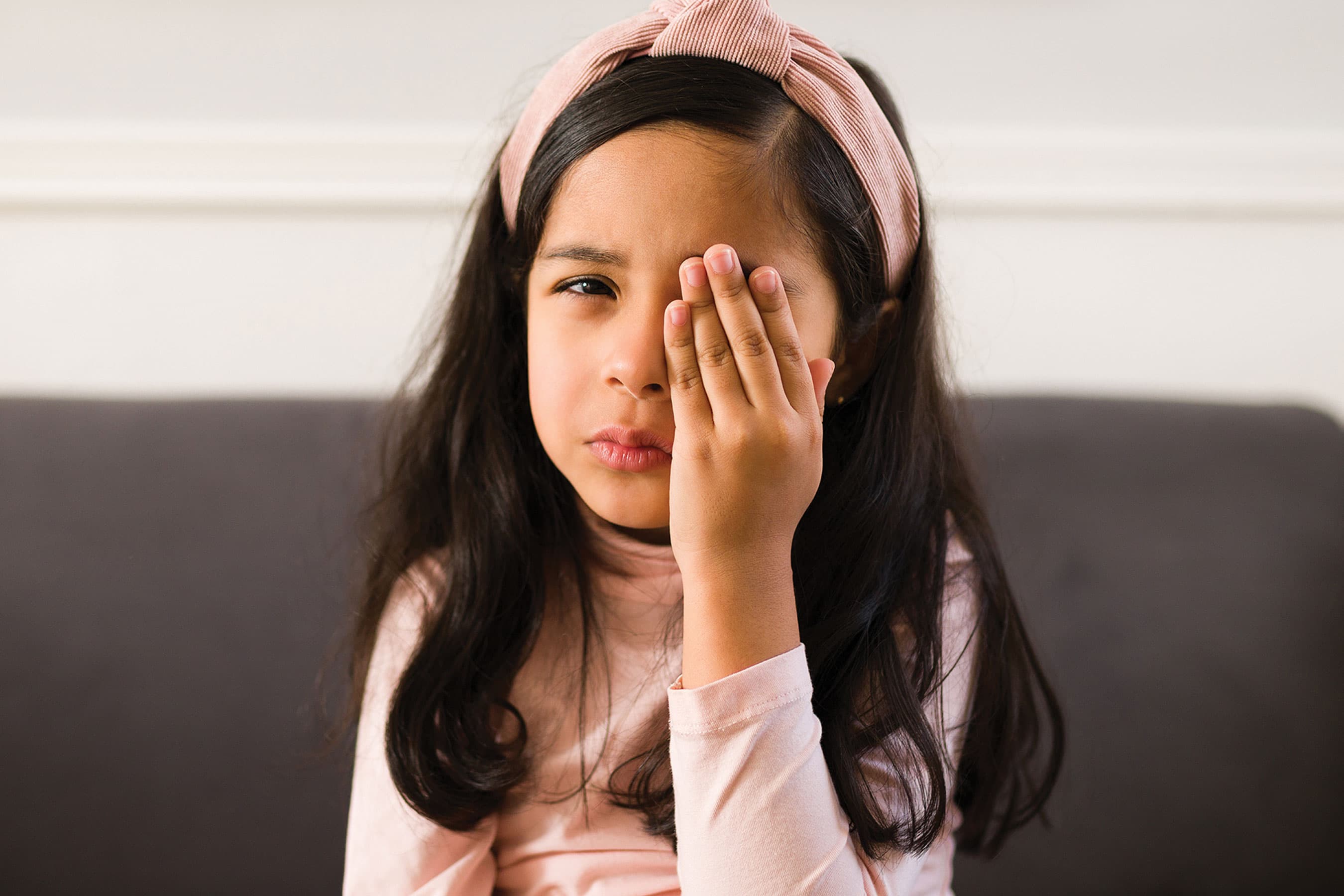
There are many kinds of eye problems that children get.
Types of Eye Conditions
- Blocked tear ducts. Tears made by the eye can’t drain into the tear ducts if they are blocked. The baby’s eyes water even when the baby is not crying. This usually happens to babies up to 2 months old. Most blocked tear ducts open up by the time the child is 1 year old.
- Crossed eyes. Often, this problem goes away with no, or early, treatment.
- Swelling and pain inside the eyelids and on the whites of the eyes. This is called conjunctivitis. There are many kinds of conjunctivitis. Pinkeye is one kind. It is an infection. Other infections, chemicals, allergens, or things that get in the eye can also cause conjunctivitis.
- Drooping eyelid over part of the eye. This is called ptosis. It is usually caused by weak nerves in the eye lid. Your child can be born with it. Or it can happen with another muscle problem.
- Stye. This is an infection on the eyelid. It looks like a pimple. Most sties go away with home treatments.
- Vision problems. Here are a few examples:
- Nearsightedness (can’t see things far away)
- Farsightedness (can’t see things close up)
- Astigmatism (blurry vision from an eye that is not shaped right, or from losing an eye)
Diagnosis
Babies and children should have their eyes checked as part of their well child visits with their pediatrician. They will check for vision problems in the child’s developing eyes.
- Starting at age 3, your child should have a visual acuity test. This involves your child looking at details of letters or symbols from a set distance.
- Take your child for another eye exam before he or she starts school.
- Watch for problems at any age. Look for changes in the eyes, eyelids, or the skin around the eyes.
Self-Care
A doctor should treat a hurt or infected eye. But you can treat some eye problems at home.
- For dry eyes, try over-the-counter “tears.” Wash your hands before you put drops in the eyes. If your child’s eyes don’t get better, take him or her to the doctor.
- To help with an insect bite, gently wash the eyes with warm water.