HealthyLearn Site Navigation:
Online Clinic
Children's Health
Headaches in Children
July 6, 2026
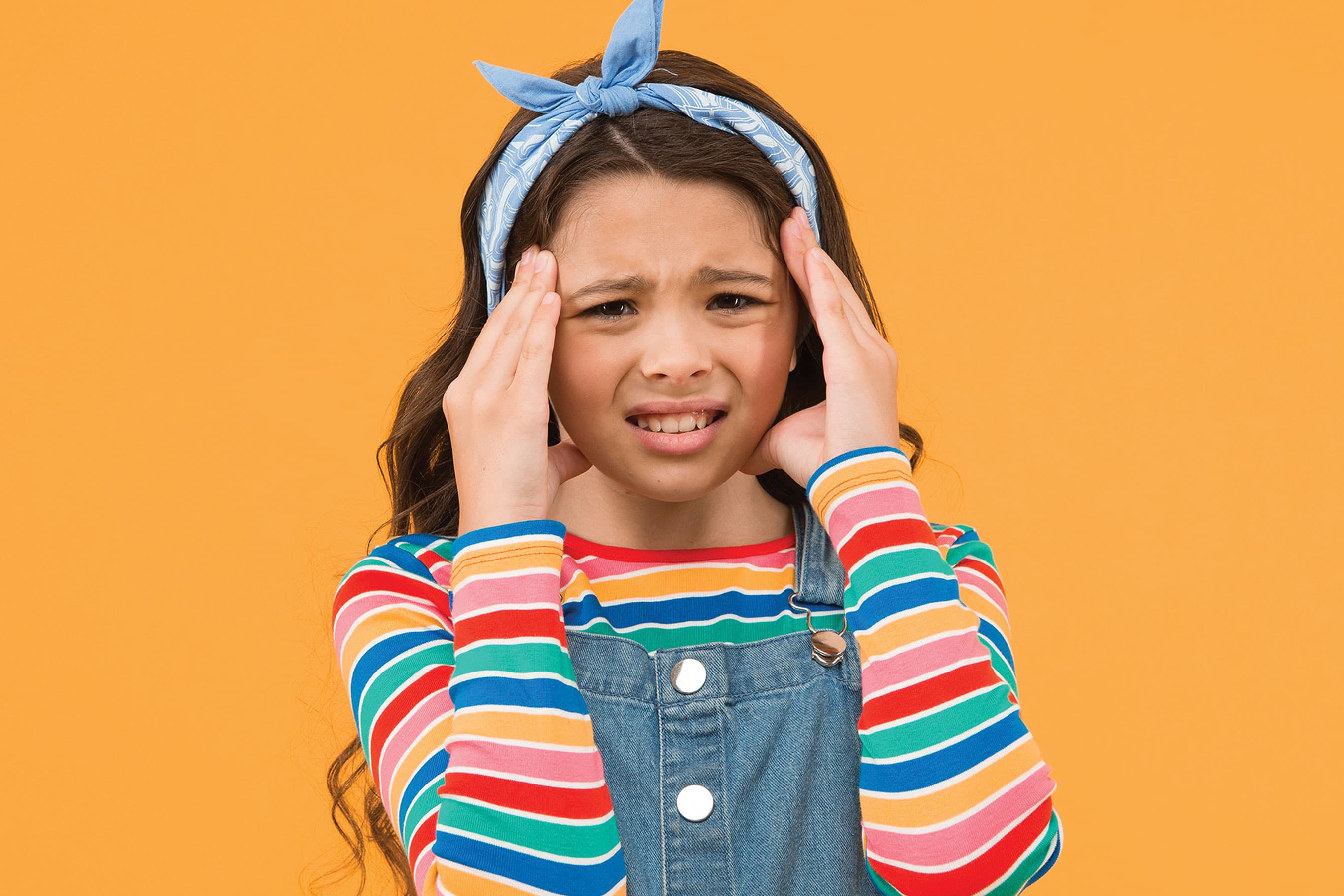
Children often get headaches. Usually, there’s no reason to worry. Headaches like migraines happen on their own. They can also come from tension, tiredness, or stress.
Signs & Symptoms
A headache can be a symptom of something else:
- Fever
- Sore throat
- Allergies
- Flu and other infections
- Sinus problems
- Earache
- Hunger
- Teeth problems
- Depression
Very bad headaches may be part of a bigger problem. Here are some examples:
- Head injury
- Meningitis or encephalitis. (These cause the brain to swell.)
Sometimes parents get scared when their child gets a headache. They are afraid their child has a brain tumor. But headaches hardly ever mean a brain tumor.
Causes
Usually, a child’s headache is caused by tight muscles in the neck and head. Tension or stress makes the muscles tight. Also, some medicines like antihistamines and decongestants can cause headaches. Skipping a meal can cause a headache in many children.
Self-Care
- Have your child rest in a dark, quiet room with his or her eyes closed.
- Rub the base of your child’s head with your thumbs. Start under the ears and work back. Rub the temples, too.
- Give your child a warm bath.
- Put a cold washcloth over your child’s eyes.
- Try to make your child feel safe and happy at home. If something is bothering them, help them talk about it.
- Give your child acetaminophen or ibuprofen. Make sure you give him or her the right kind and dose for his or her weight. (Note: Do not give aspirin. Aspirin and other medicine that have salicylates have been linked to Reye’s Syndrome.)
- Take your child to the dentist for dental checkups.
- Make sure your child eats well at mealtime. Between meals, give your child healthy snacks, like fruit or cereal.