HealthyLearn Site Navigation:
Online Clinic
Children's Health
Vomiting & Nausea in Children
July 6, 2026
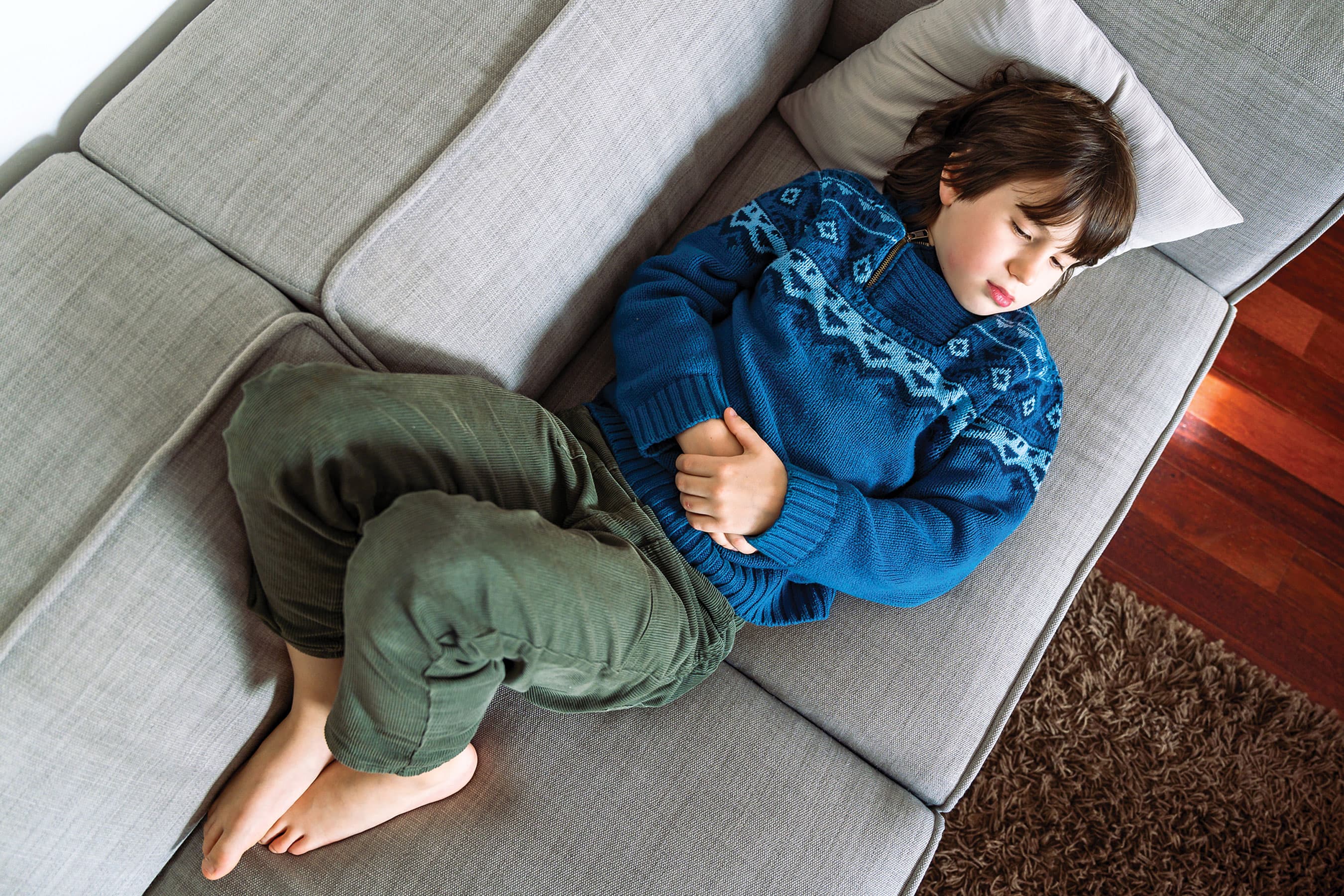
Vomiting is when you throw up what is in your stomach. Nausea is when you feel like you’re going to throw up.
Causes
Here are some common causes of nausea and vomiting:
- Viruses in the intestines. (Your child can get diarrhea, too.)
- Getting upset
- Morning sickness in pregnant teens.
- Motion sickness. (getting “car sick” or “seasick” from traveling)
- Some medicines
- Spoiled food
- Eating or drinking too much
Some serious problems cause vomiting, too. Here are some of them:
- Appendicitis. This is when your child’s appendix is infected.
- Stomach ulcers
- Meningitis
- Brain tumors
- Kidney infection
- Head injury
Watch your child very closely if he or she is vomiting. Babies and small children can get dehydrated very fast. Dehydration is when your body doesn’t have enough water.
Your older child or teen may make themselves throw up. This could be a sign of an eating disorder, such as anorexia nervosa or bulimia.
Self-Care
- Be calm and loving. Throwing up can scare a child.
- Keep a bowl or basin near your child. Hold your hand against your child’s forehead when he or she vomits.
- Give your child water to rinse his or her mouth out after throwing up. Wipe your child’s face.
- Take away dirty clothes or bedding. Change to clean ones.
- Don’t smoke near your child.
- Don’t feed your child solid food. Don’t give your child milk.
- Wait 1 hour after your child throws up. Then give your child clear fluids (not too cold or too hot). Here are some examples:
- Pedialyte®, electrolyte freezer pops, or other store-brand oral rehydration solutions (ORS)
- Half-strength apple juice or Gatorade. Mix equal amounts with water.
- Gelatin (any color but red)
- Start with 1 to 2 teaspoons of liquid every 5 minutes for babies. Start with 1 to 2 ounces every 15 minutes for children. After 4 hours without throwing up, double the amount. If your child is still vomiting, stop fluids for 1 hour. Then start to give small amounts of fluid again.