HealthyLearn Site Navigation:
Online Clinic
Digestive & Urinary
Cancer
Colon & Rectal Cancers
November 1, 2024
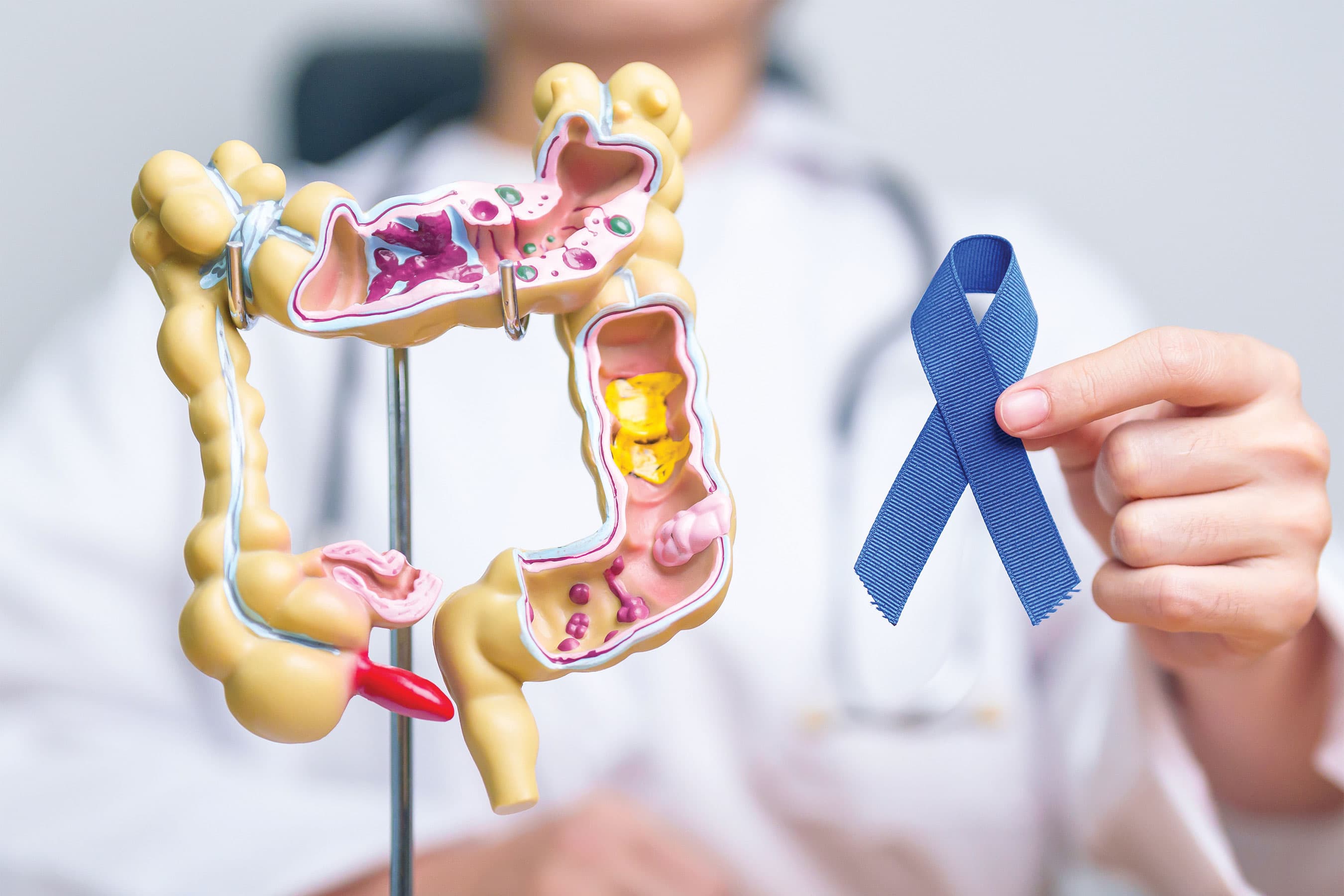
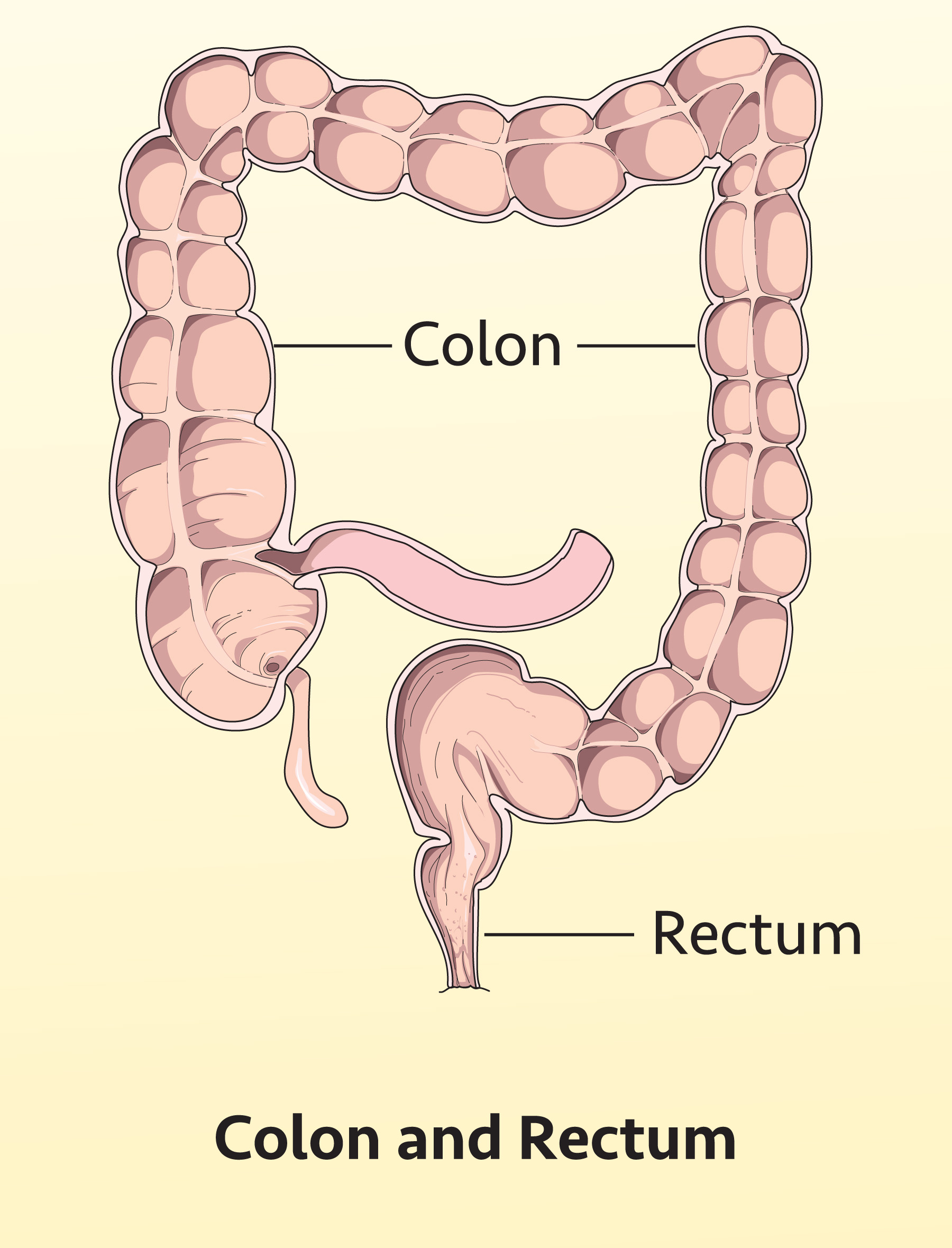
The colon and rectum form the large bowel. The colon is the upper 5 to 6 feet. The rectum is the last 6 to 8 inches.
When abnormal cells grow in the colon or rectum, a cancerous tumor may form. These tumors grow slowly. They may get big and block the bowel.
Signs & Symptoms
Colon and rectal cancers can occur without clear symptoms. For this reason, screening is important. When symptoms occur, they include:
- A change in bowel habits that lasts more than a few days, including diarrhea or constipation
- Frequent gas pains, cramps, bloating, or feelings of fullness in the abdomen
- Red or dark blood in or on the stool or rectal bleeding. Pencil thin stools.
- Fatigue and/or iron deficiency anemia in men and older women
- A feeling that the bowel does not empty completely
- Weight loss for no known reason
Causes, Risk Factors & Care
Risk factors:
- Polyps (benign growths that can become cancerous over time). Most colon and rectal cancers develop from polyps.
- Family history of colon or rectal cancer. Unless it is treated, an inherited condition called Familial Polyposis puts a person at a very high risk.
- Having ulcerative colitis or Crohn’s disease
- Aging. Colon and rectal cancers occur most often in people over age 50.
- Smoking. Heavy alcohol use.
- Eating a diet high in red meats and processed meats
- Lack of exercise and/or being overweight or obese
Care:
Finding and treating the cancer early is vital. Treatment includes:
- Surgery, including cryosurgery: During this procedure, radio waves travel through electrodes to heat and destroy abnormal cells.
- Chemotherapy: This uses medicines to destroy cancer cells.
- Radiation therapy: This therapy uses high doses of radiation to kill cancer cells and stop them from spreading.
- Targeted therapy: This uses drugs to attack specific cells.
- Immunotherapy: This helps your immune system fight and destroy cancer cells.