HealthyLearn Site Navigation:
Online Clinic
Digestive & Urinary
Gallstones
November 1, 2024
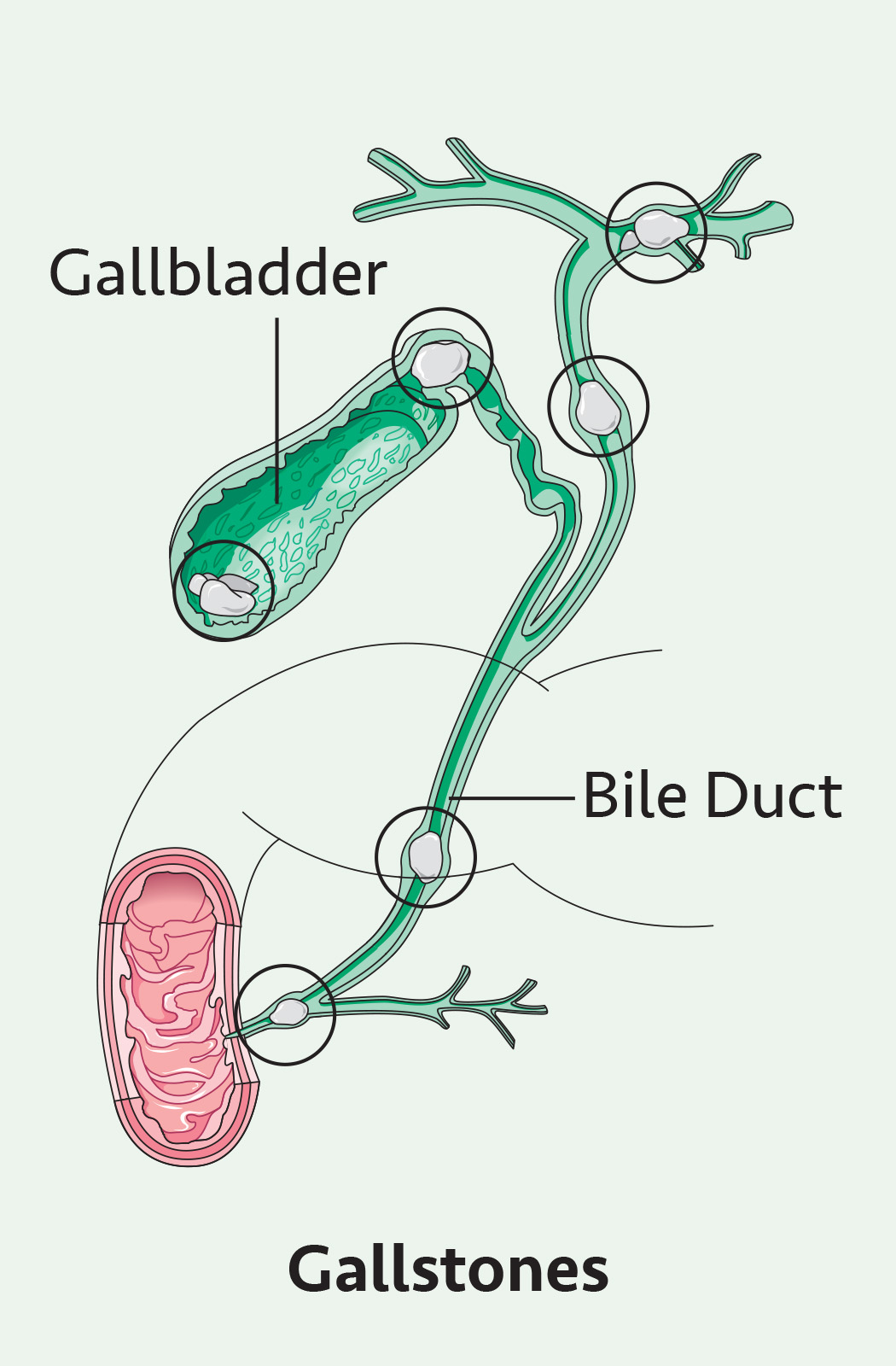
The gallbladder stores bile. This substance helps digest fats. Gallstones form when bile hardens into pieces of stone-like material. These deposit in the gallbladder or bile ducts (which carry bile to the small intestine). The stones can range in size from less than a pinhead to 3 inches across.
Signs & Symptoms
- Feeling bloated and gassy, especially after eating fried or fatty foods.
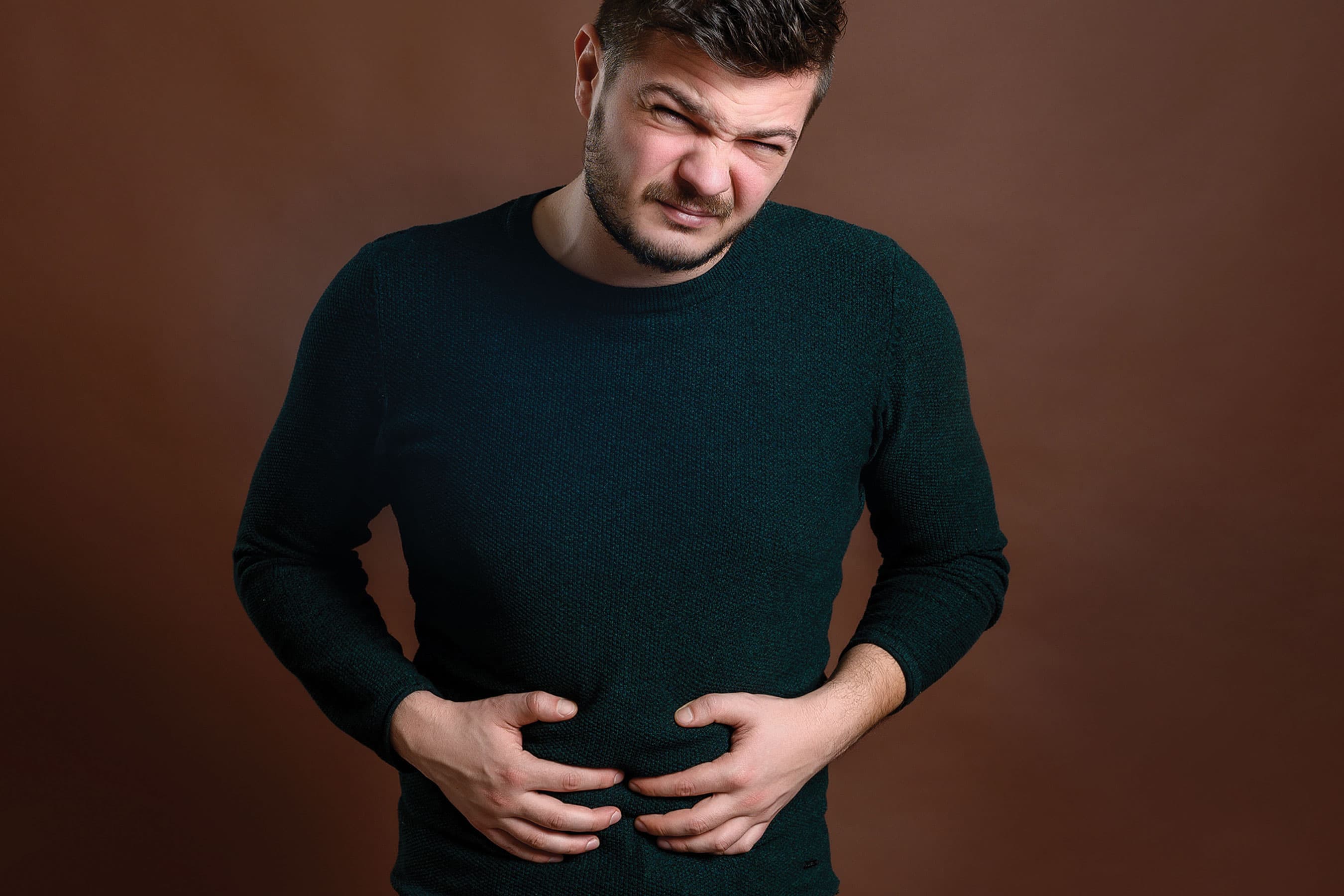
- Steady pain in the upper right abdomen lasting 20 minutes to 5 hours.
- Pain between the shoulder blades or in the right shoulder.
- Indigestion. Nausea. Vomiting. Severe abdominal pain with fever. Sometimes a yellow color to the skin and/or the whites of the eyes.
{Note: Gallstone symptoms can be hard to tell apart from heart-related or other serious problems. A doctor should evaluate any new symptoms.}
Causes
- Obesity and excess body fat
- Men 60 years and older and women between 20 and 50 years old.
- Being female due to effects of estrogen and progesterone hormones.
- Genetics. People of Native American or Mexican descent and having a family history of gallstones.
Treatment
- Surgery to remove the gallbladder. This is the most common treatment. You can still digest foods without a gallbladder.
- Healthy diet with smaller and more frequent meals.
Self-Care / Prevention
Same as with treatment following gallbladder removal:
- Eat a healthy, low-fat, high-fiber diet.
- Eat smaller and more frequent meals.
- Get to and stay at a healthy body weight. If you are overweight, lose weight slowly (1 to 1-1/2 pounds per week). Do not follow a rapid weight loss diet unless under strict medical guidance.