Kidney Stones Hurt
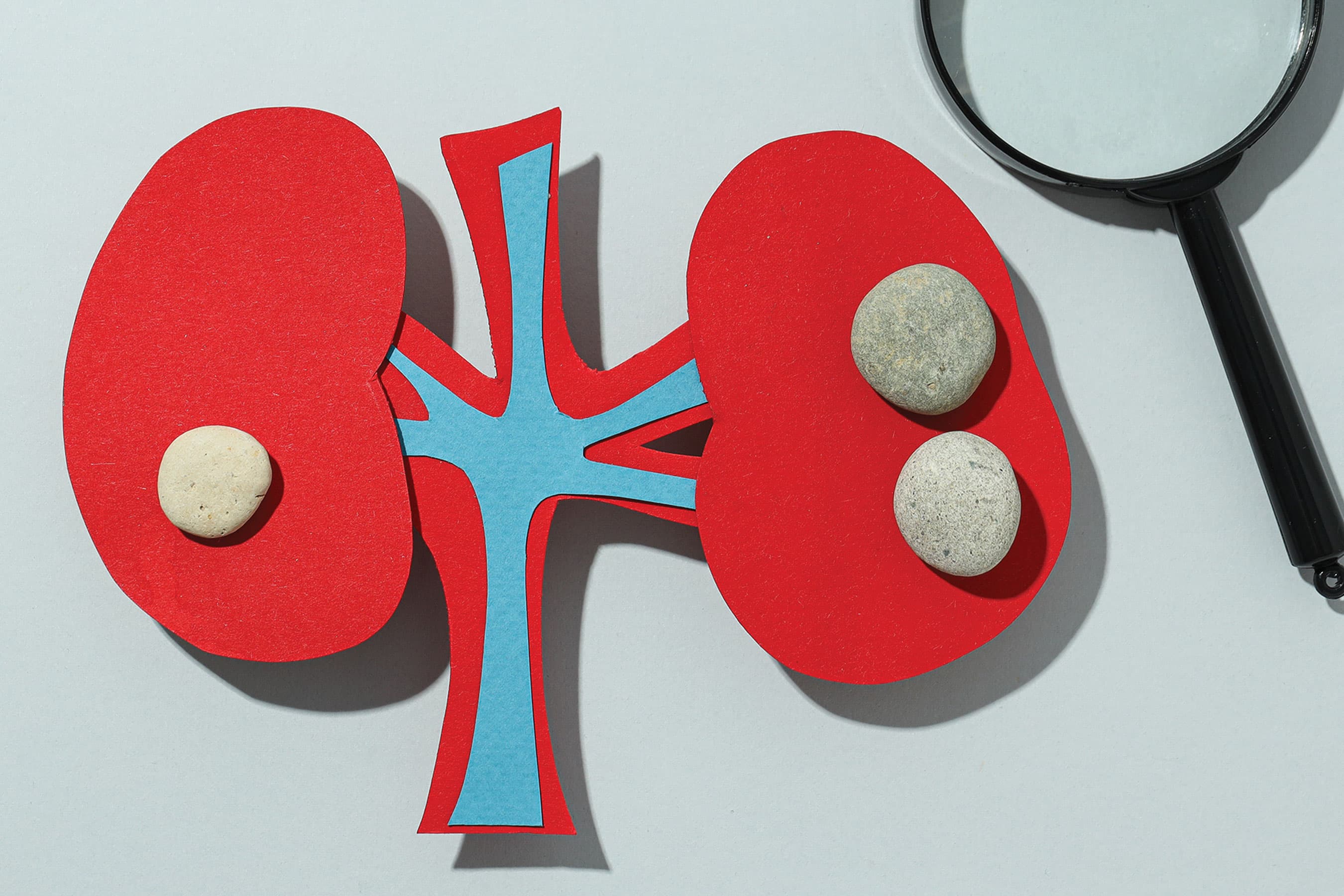
Kidney stones rarely cause permanent damage, and you may be able to prevent them. Back or side pain that won’t go away is the primary symptom of a kidney stone. You may also have pinkish or foul-smelling urine, a fever, or painful urination.
Kidneys remove waste products including various minerals and other substances from the blood and transfer them into urine so your body can get rid of these waste products. In people who get stones, certain minerals in the urine combine with other waste products and start to form a stone.
Kidney stones aren’t all the same. The most common type is made of the mineral calcium, combined with either oxalate or phosphate. Less common types of stones are made of uric acid or other chemicals, all of which are naturally found in the body.
Most kidney stones eventually pass out of the body during urination. But some can grow large enough to begin blocking the flow of urine. That causes intense pain and may also put you at risk for infection. Most kidney stones that don’t pass on their own are treated in an outpatient setting. The most common procedure is called lithotripsy. Greek for “stone crushing,” this technique uses shock waves to reduce kidney stones into small fragments, which then easily flow away in urine.
Prevention
If you’ve had more than one kidney stone, you’re at higher risk for forming another. If you pass a stone, try to catch it in a strainer. A laboratory analysis can help your doctor plan a strategy to prevent more stones. Other tests, which may include urine and blood tests, can help your doctor figure out why you had a kidney stone.
Drinking more water may help prevent kidney stones. Depending on the type of stone you’re at risk for, your doctor may also advise you to avoid certain foods or drinks. For example, people prone to forming calcium oxalate stones should avoid spinach, peanuts, and chocolate. People prone to forming uric acid stones should cut back on meat. Doctors can also prescribe certain medications to help prevent these types of stones.
Stone watch
Call a doctor if you have any of the following signs of a kidney stone:
- Extreme pain in your back or side that won’t go away
- Blood in your urine (it will look pink)
- Fever and chills
- Vomiting
- Urine that smells bad or looks cloudy
- A burning feeling when you urinate