HealthyLearn Site Navigation:
Online Clinic
Digestive & Urinary
Unlock Your Gut Power
July 2, 2026
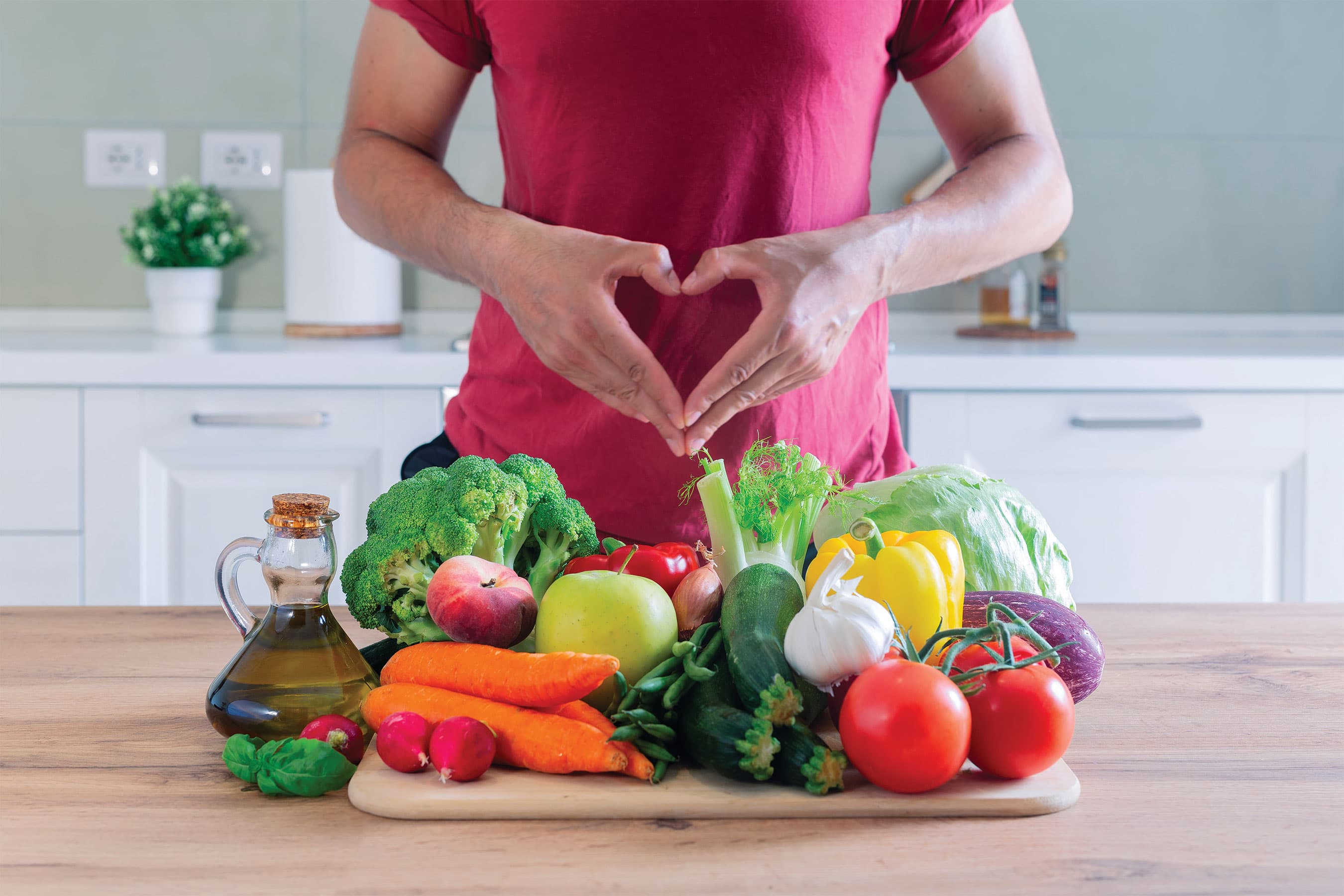
Glucagon-like peptide-1 (GLP-1) is a hormone produced in your gut that acts as a natural appetite suppressant and blood sugar regulator. Released primarily after eating, it tells your brain you’re full, slows down digestion, and stimulates insulin production. You can enhance your body’s own production through dietary and lifestyle choices.
Natural Toolkit
- Fiber, particularly the soluble type found in foods like oats, beans, apples, and flaxseeds, is a major GLP-1 trigger. When this fiber reaches the lower intestine, gut bacteria ferment it, creating short-chain fatty acids (SCFAs). These SCFAs appear to play a key role in the release of GLP-1.
- Meals that include lean protein (like eggs, fish, and legumes) and unsaturated fats (like olive oil, avocados, and nuts) are more effective at stimulating GLP-1 release than meals high in saturated fats. This combination helps slow gastric emptying and promotes a sustained feeling of satiety.
- The order in which you eat your food may matter. Some studies suggest that eating protein and vegetables first may lead to a greater GLP-1 response. This may help prevent post-meal blood sugar spikes.
- Exercise is a powerful natural booster. Both high-intensity bursts and longer, moderate-intensity movement can increase GLP-1 production, potentially by stimulating compounds that signal its release. Aim for a mix of cardio and resistance training.
- Slowing down while eating gives your gut time to process nutrients and signal the release of GLP-1 to your brain. This delay enhances satiety.
- Certain natural compounds have been studied for their potential GLP-1-boosting effects. These include berberine and curcumin (found in turmeric). There is not enough evidence to show a weight loss benefit. Also, they may pose a safety risk, especially for pregnant and breastfeeding women. Discuss taking natural compounds with your doctor, including any interactions with medications you take.