HealthyLearn Site Navigation:
Online Clinic
Skin Care & Health
Skin Conditions
Student Health
Tattoo & Body Piercing Safety
August 17, 2026
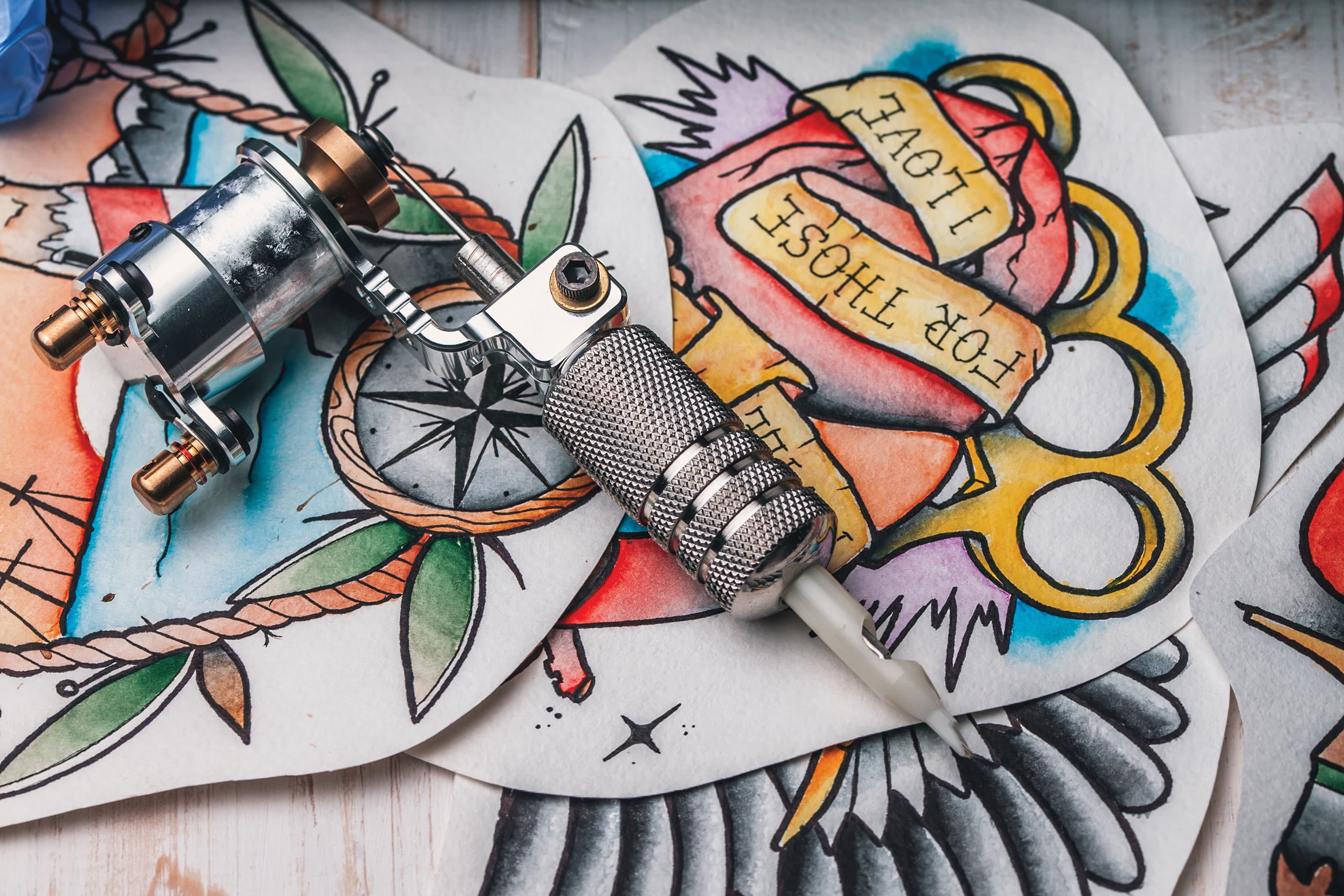
You may already have one or more tattoos and/or area(s) of your body pierced. You may be thinking about getting one of these procedures done as a way to express your individuality.
Consider the Following
- In many states, the law does not allow minors to get tattoos.
- Unsterile tattooing equipment and needles can transmit serious infectious diseases, such as tetanus, hepatitis B, and HIV. Never do one of these procedures on yourself or have anyone else do it that is not a member of the Association of Professional Piercers (APP) or the Alliance of Professional Tattooists (APT). Members of APT are trained in strict safety and health requirements.
- Tattoos and body piercings also carry the risk of less serious allergic reactions and local infections. You will need to follow proper care procedures for weeks or months after the procedure. You may also get large growths of scar tissues called keloids.
- Tattoos are not easily removed and in some cases may cause permanent discoloration. Keep a record of the dyes used in the tattoo you get. This includes the lot number of each pigment. If you choose to get a tattoo removed in the future, this information will be helpful.
- Don’t get a tattoo or body piercing done on an impulse. Wait at least 24 hours. Ask friends who have tattoos and/or body piercings about their experiences. Find out about the pain involved, the healing time, the cost, etc.
- For body piercing, to avoid allergic reactions and infections, jewelry made from non-corrosive, non-toxic metals should be used. Examples are solid 14K gold (not gold-plated), niobium, surgical stainless steel, and titanium.
These Practices Should Be Followed
- The tattooist should have an autoclave (a heat sterilization machine regulated by the FDA) on the premises.
- Consent forms (which the customer must sign) should be handed out before tattooing.
- Immediately before tattooing, the tattooist should wash and dry their hands thoroughly and put on medical latex gloves, which should be worn at all times during application of the tattoo.
- Needle bars and tubes should be autoclaved after each customer. Non-autoclavable surfaces, such as pigment bottles, drawer pulls, chairs, tables, and sinks should be cleaned with a disinfectant, such as a bleach solution.
- Used absorbent tissues should be placed in puncture resistant containers.
- Check with your local health department about local licensing and regulations for tattooists.