Get Vaccines to Prevent Measles
Measles is a highly contagious respiratory disease caused by a virus. Coughs and sneezes spread the virus through the air. Measles can also spread from the droplets that land on surfaces you touch.
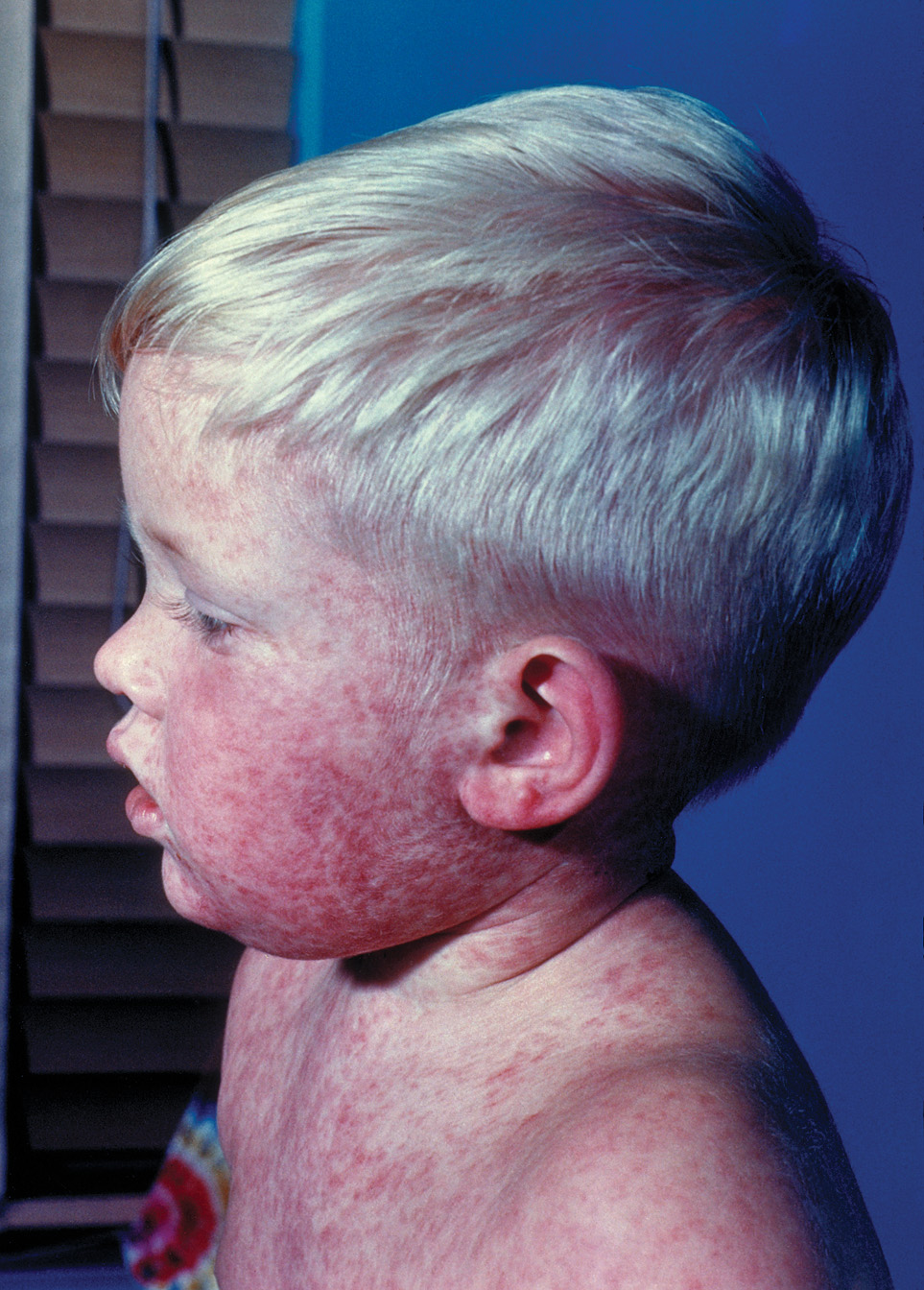
Measles starts with a high fever, runny nose, cough, red eyes, and sore throat. A rash that spreads all over the body follows. This serious disease can have serious health consequences, especially in children younger than 5 years of age. Common complications include ear infections and diarrhea. Serious complication include pneumonia and encephalitis (brain swelling).
Why the Rise in Measles?
- The majority of the people who got measles did not receive vaccines.
- Measles is still common in many parts of the world including some countries in Europe, Asia, the Pacific, and Africa.
- Travelers with measles continue to bring the disease into the U.S.
Guidelines for Measles Vaccines
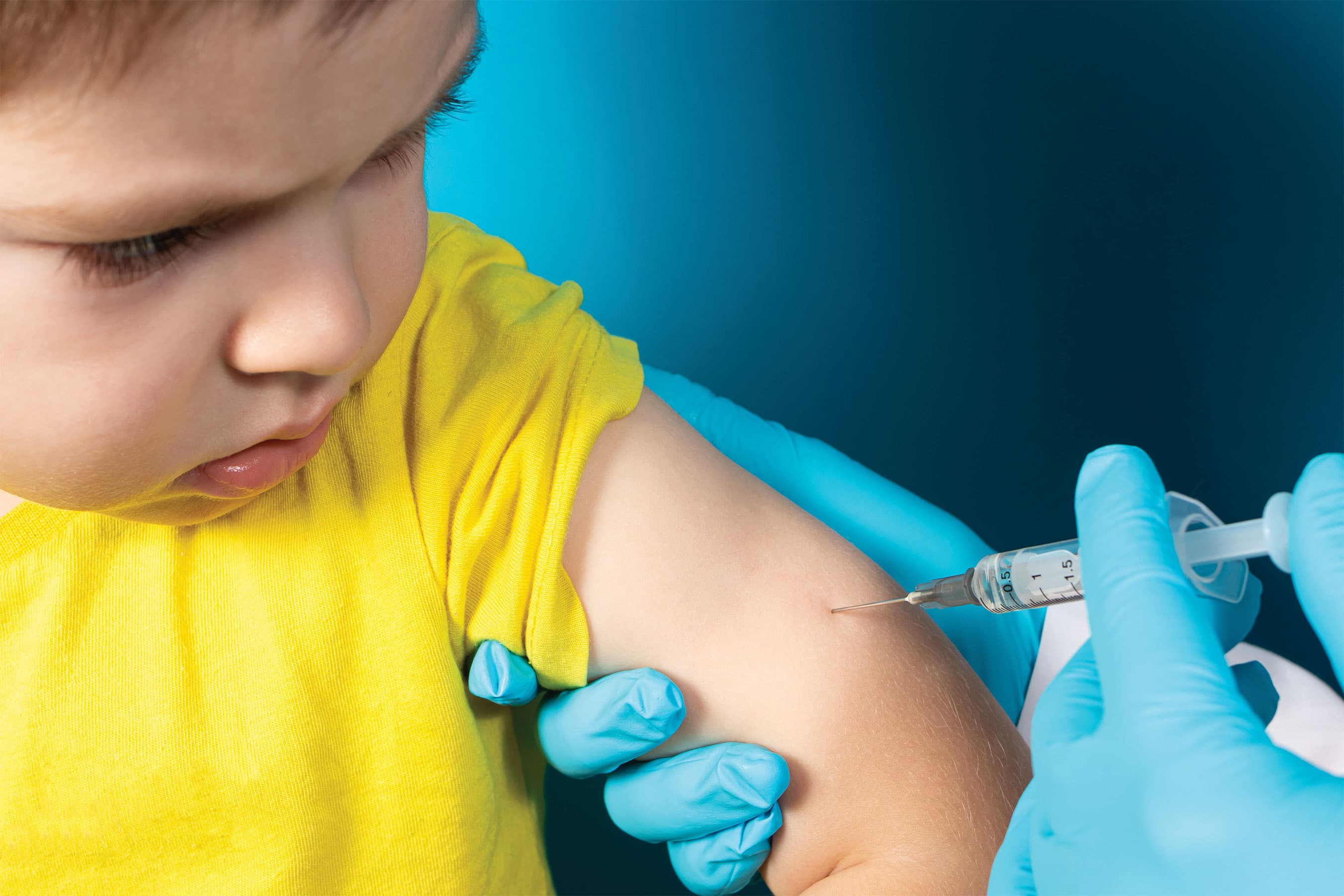
Children should get 2 doses of measles, mumps, and rubella (MMR) vaccine:
- First Dose: 12-15 months of age. Some infants between the ages of 6 and 11 months should get a dose of MMR if they are traveling out of the country.
- Second Dose: 4-6 years of age
- If not given at these times, a two-dose series is needed for all school-age children and adolescents.
Adults should also get the MMR vaccine if they haven’t had 2 doses of the MMR vaccine or if they’re unsure about their vaccine status.