Poison Ivy, Oak & Sumac

Poison ivy, oak, and sumac are the most common plants that cause a skin rash. A sap that comes from these plants causes the rash. This can cause an allergic reaction in some people. It is also known as allergic contact dermatitis.
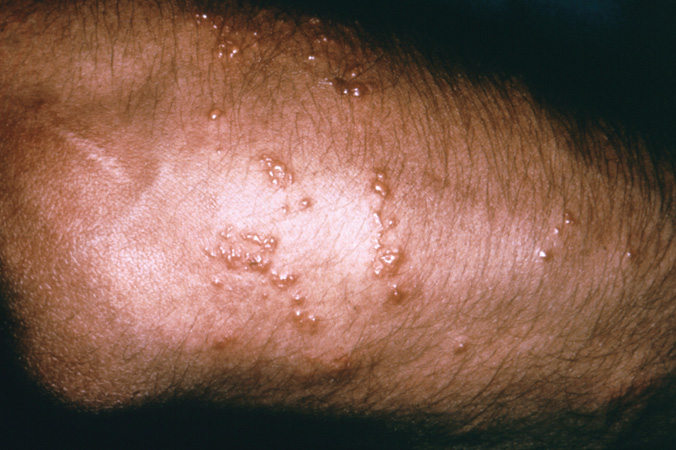
Poison oak rash on a person’s arm.
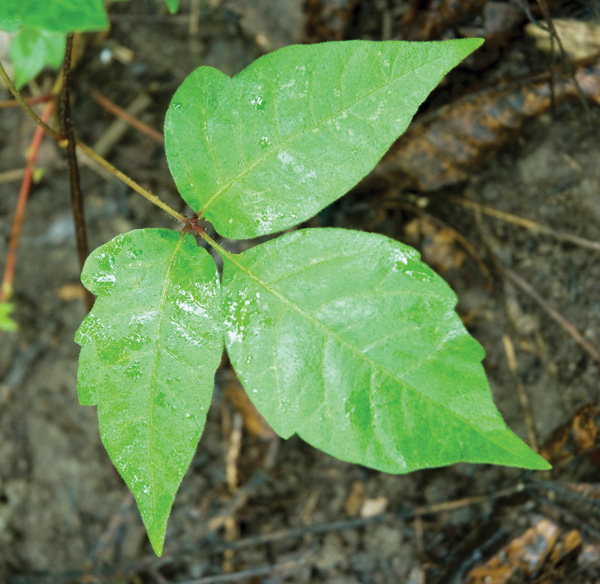
Poison Ivy
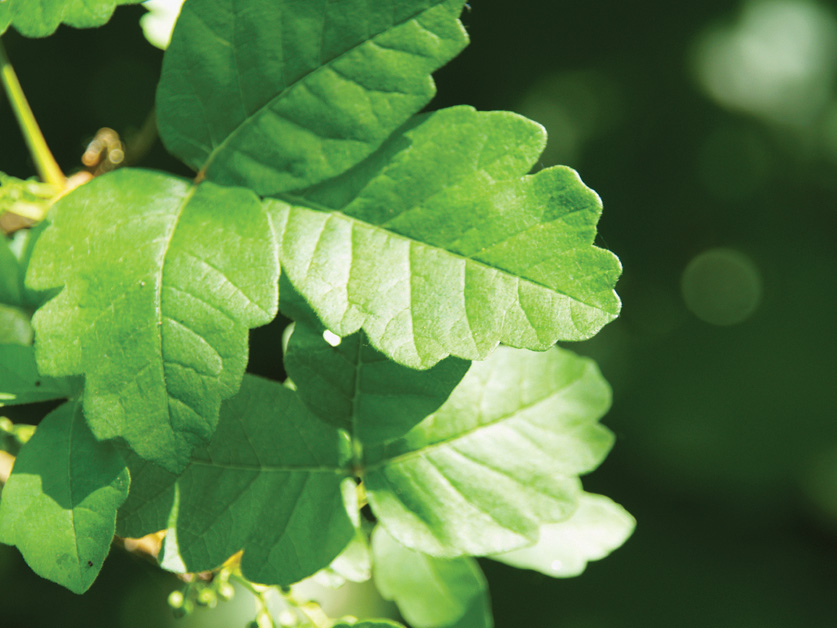
Poison Oak
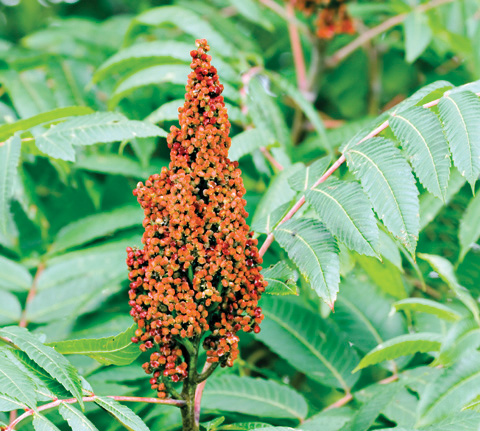
Poison Sumac
Signs & Symptoms
The skin rash comes a day or two after contact with the plant. Symptoms that follow can range from mild to severe.
- Extreme itching
- Red, streaky, patchy rash
- Burning feeling
- Swelling
- Red bumps or blisters
Causes
You can get poison ivy, oak, or sumac when you touch one of these plants or touch pets, clothes, shoes, etc. that have the sap on them. Contact with the smoke of these burning plants can also cause a rash.
Treatment
Self-care treats most cases of poison ivy, oak, and sumac. For severe cases, your doctor may prescribe medicine(s).
Self-Care / Prevention
Prevent Getting a Rash
- Know what these plants look like and avoid them.
- Poison ivy and poison oak both have 3 leaflets per stem. This is why you may have heard the saying, “Leaflets three, let them be.”
- Each branch of poison sumac has 7 to 13 leaflets on a reddish stem. A single leaf is on the end of the stem. The others are paired along each side of the stem. Poison sumac grows in wetlands.
- Use an over-the-counter lotion (IvyBlock), which blocks skin contact with the sap. Use it as directed.