What Fingernails Reveal about Your Health
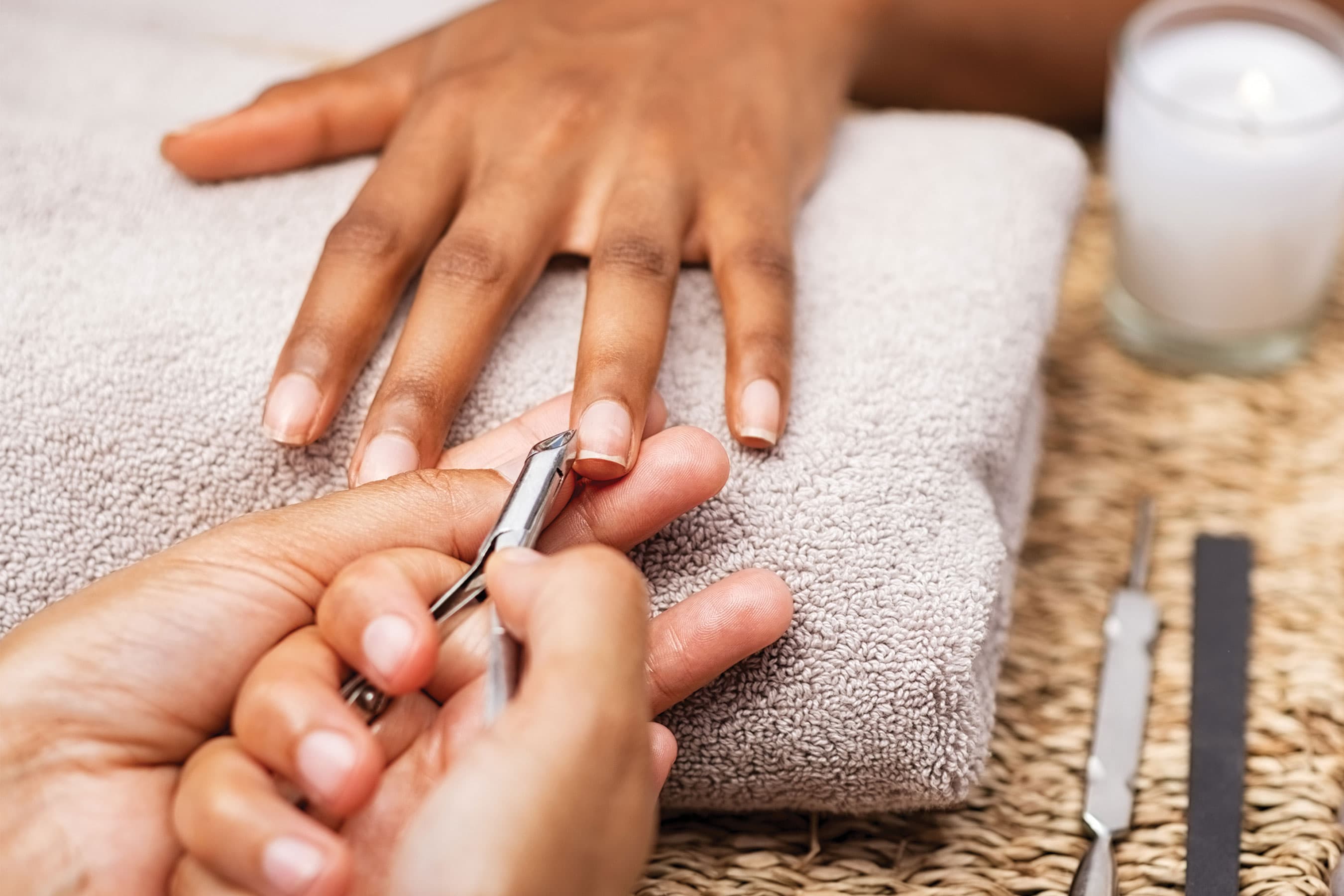
You may see your fingernails hundreds of times a day, but do you ever examine them? Probably not. Yet taking a closer look may not be a bad idea. They may be a good indicator of overall health.
Spoon-shaped nails, for example, may simply be an inherited trait – or they can be a clue to a thyroid deficiency or iron deficiency anemia. Nails that have no “moon” or white crescent at the base and are thin and brittle might indicate an underactive thyroid. Still other changes – like brittleness or pitting – may be signs of other nutritional deficiencies or injury to the nail bed. Consult your doctor if you see any significant changes in your nails.
Barring any medical explanation for nail problems, the following tips can help your nails look healthier and more attractive.
- Eat a well-balanced diet that includes plenty of fresh fruits and vegetables, whole grains, lean meats, beans and lentils, and low-fat dairy products.
- Cut nails straight across.
- Wear gloves when you do household chores or hobbies to avoid contact with detergents or harsh chemicals that can dry or damage nails.
- Clean nails with a nail brush, especially if you garden or work with messy materials. Clip visible hang nails and rough skin to prevent tears. File nails in one direction only. Use an emery board, not a metal nail file.
- Don’t use your nails as tools, such as opening pop cans.
- If you polish your nails, use polish remover sparingly.
| Problem | Possible Causes |
|---|---|
| Brittleness | Frequent immersion in hot water; generally poor health; impaired circulation; possible deficiency of vitamins A, C, B6, or niacin, deficiency of calcium or iron; thyroid deficiency |
| Clubbing | Chronic lung disease or lung cancer; congenital heart disease; congenital or hereditary defect |
| Pitting (may be normal) | Eczema; psoriasis; trauma |
| Ridges | Emphysema; heredity; kidney failure; old age; rheumatoid arthritis, traumas |
| Separation (nail plate lifts off nail bed) | Allergy to nail lacquer and hardeners; fungal infection; iron deficiency anemia; pregnancy; psoriasis; trauma |
| Splitting at top edge | Immersion in water for long periods, nail polish removers; possible vitamin deficiencies |
| Spoon shaped | Thyroid deficiency; iron deficiency anemia |