High Blood Pressure in Pregnancy
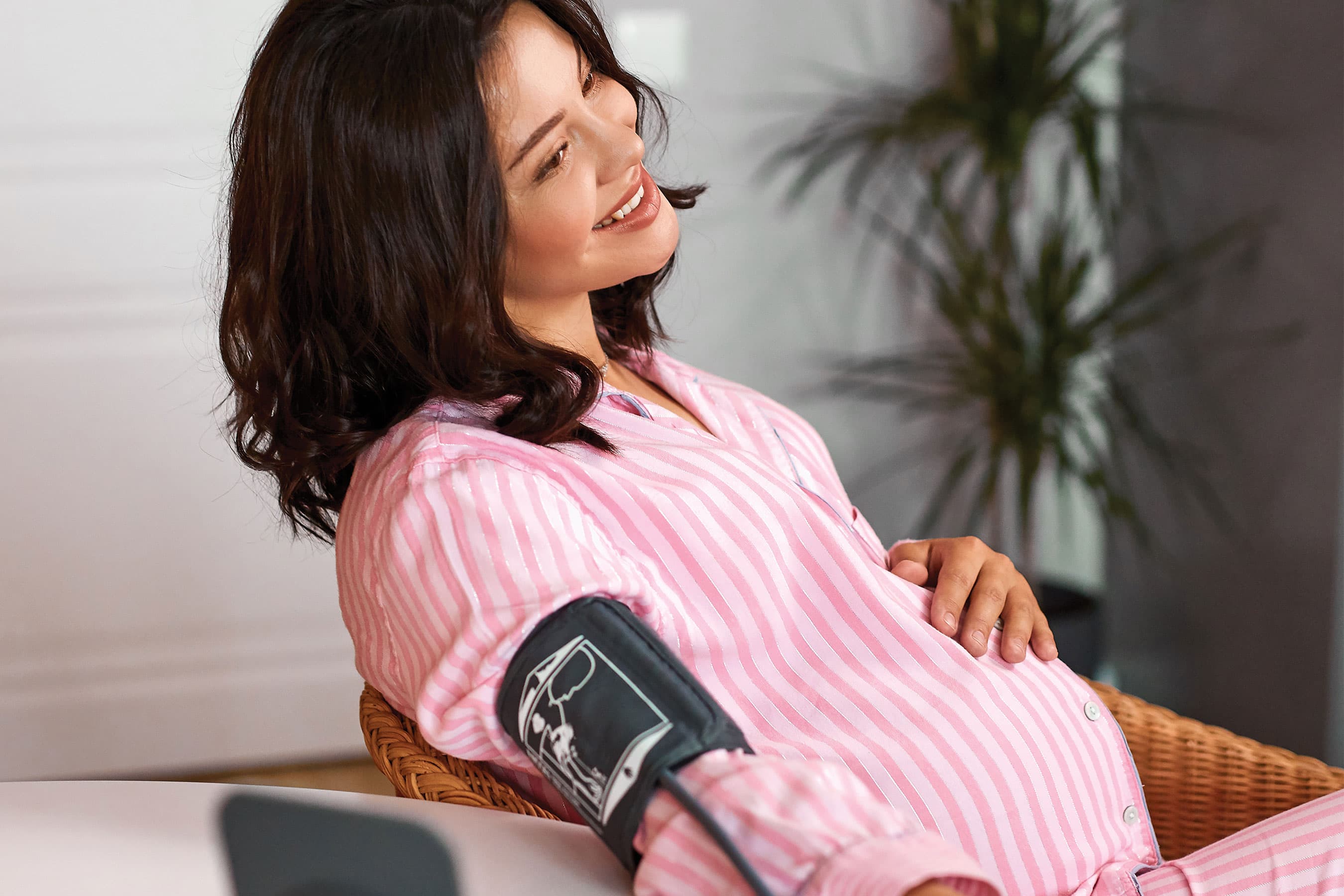
High blood pressure in pregnancy
A blood pressure reading monitors the blood in the arteries. The top number in the reading is the systolic pressure. That’s the pressure when the heart muscle contracts. The bottom number is the diastolic pressure. That’s the pressure when the heart muscle relaxes.
An example of a blood pressure reading is 120/80. A blood pressure reading should be taken before pregnancy or at its start. This is called a baseline blood pressure. The baseline reading shows what is normal for that woman. During the first several months of pregnancy, blood pressure may drop a little. It often rises slightly later in the pregnancy, which is normal. That’s because of the extra work the mother’s body is doing.
High blood pressure in pregnancy is when there is an increase of 30 or more in the systolic pressure (top number). An increase of 15 or more in the diastolic pressure (bottom number) is also a sign of high blood pressure.
Causes
A common cause of high blood pressure in pregnancy is preeclampsia. Three things usually come with preeclampsia:
- High blood pressure
- Swelling of the face, hands, fingers, or feet
- Protein in the urine
Other symptoms of preeclampsia are:
- Sudden weight gain or gaining more than 2 pounds a week
- Headaches
- Vision problems like spots before the eyes or blurry vision
- Pain in upper belly
- Severe indigestion that doesn’t go away
Preeclampsia happens most often during a first pregnancy, but can occur again. It goes away after delivery. Preeclampsia can lead to eclampsia. That’s when convulsions also occur. Eclampsia can result in a coma for the mother.
Risk Factors
The cause of preeclampsia is not known. The following may increase the risk for preeclampsia:
- First pregnancy or first pregnancy with a new partner
- Chronic high blood pressure or kidney disease
- Diabetes or lupus before the pregnancy
- Being overweight
- Being African American
- Pregnancy before age 20 or after age 35
- Being pregnant with more than one baby
- Preeclampsia in a past pregnancy or in a mother or sister
Pregnancy Induced Hypertension (PIH)
High blood pressure can develop during pregnancy without other symptoms. This is called pregnancy induced hypertension (PIH). This type of high blood pressure often happens after the 20th week. After delivery, blood pressure usually goes back to normal.