Varicose Veins in Pregnancy
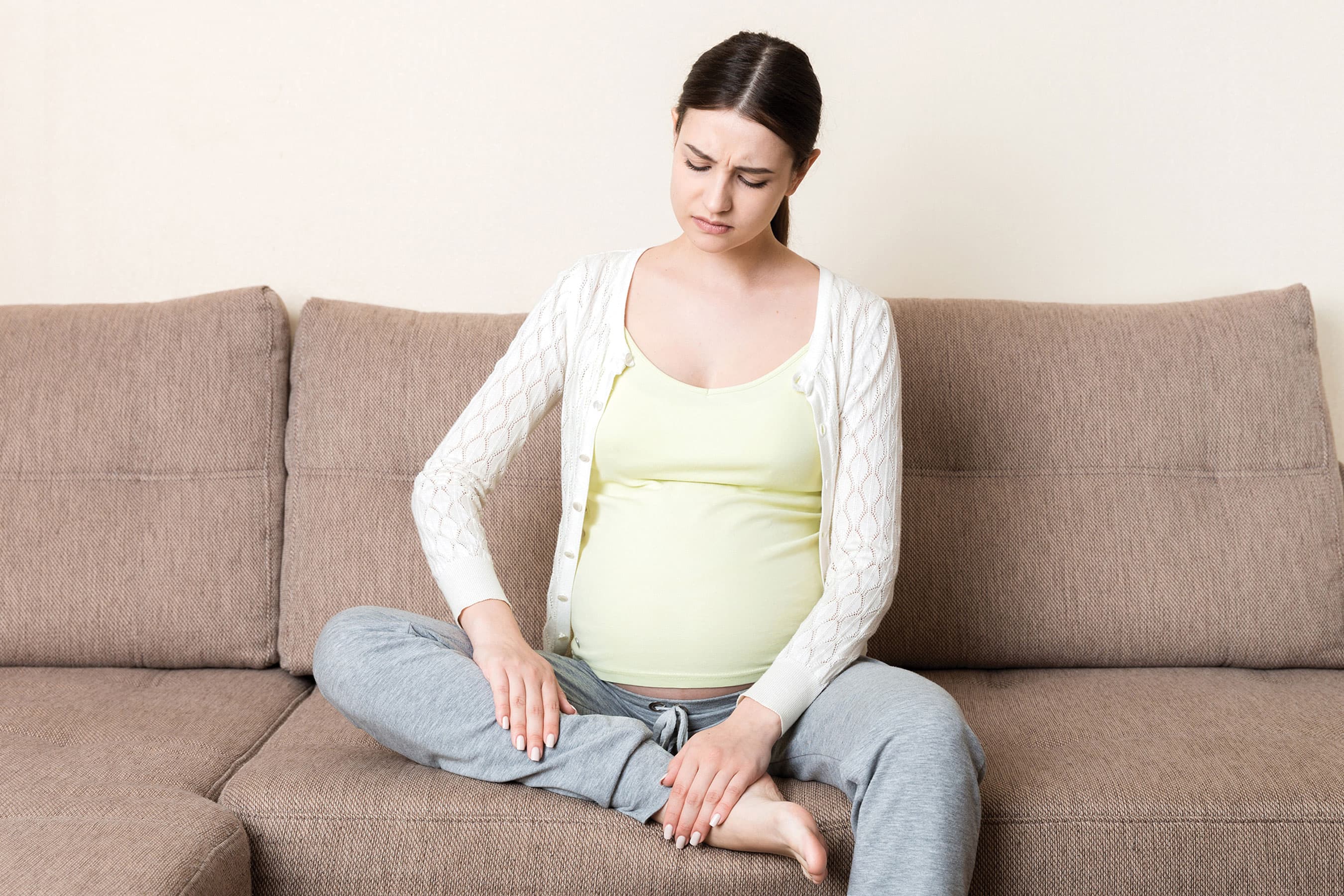
Pregnancy is the most likely time for women to get varicose veins. As the baby grows, the uterus grows. This can press against major veins. That limits blood flow to and from the mother’s legs. Blood collects in the leg veins. The veins get big.
Varicose veins often happen at the back of the calf. The inside of the leg is another common place. But they can happen in almost any part of the body. This includes the vulva and the rectum.
Symptoms
- Swollen, twisted, purple veins close to the skin surface
- Throbbing pain
- Itchy or sore skin
- Swelling in legs and feet
- Heavy feeling in vulva
Causes & Risk Factors
- Family history of varicose veins
- Baby’s head presses down on pelvic veins or vulva area
- Increased blood volume created during pregnancy
- Carrying too much weight
- Standing too long
- Sitting with legs tightly crossed
- Past vein diseases
Most varicose veins don’t need treatment. The health care provider may take an X-ray of the vein to see if treatment is needed. Sometimes larger veins are removed by surgery. A smaller vein can be injected with a chemical. That causes it to close up. Other veins take over its work. But results of both treatments may not last. More varicose veins can develop.
Self-Care
- Don’t cross your legs when sitting. Raise feet on a stool or pillow. This helps blood flow and reduces swelling.
- Exercise regularly. Walking is a good choice. It improves leg and vein strength.
- Don’t sit for long periods of time. When you must sit for long periods:
- Rotate your feet at the ankles. Rotate one foot at a time. Using a circular motion, first turn your foot one way, then the other. Do the same thing, using your other foot.
- Extend one leg forward. Point your toe to the ceiling. Then point it to the floor. Repeat 5 to 10 times. Do the same thing, using your other leg.
- Gain weight at the rate your health care provider recommends during your pregnancy.
- Don’t stand for long periods of time. But if you must, shift your weight from one leg to the other. Do this every few minutes. Just wiggling your toes can help, too.