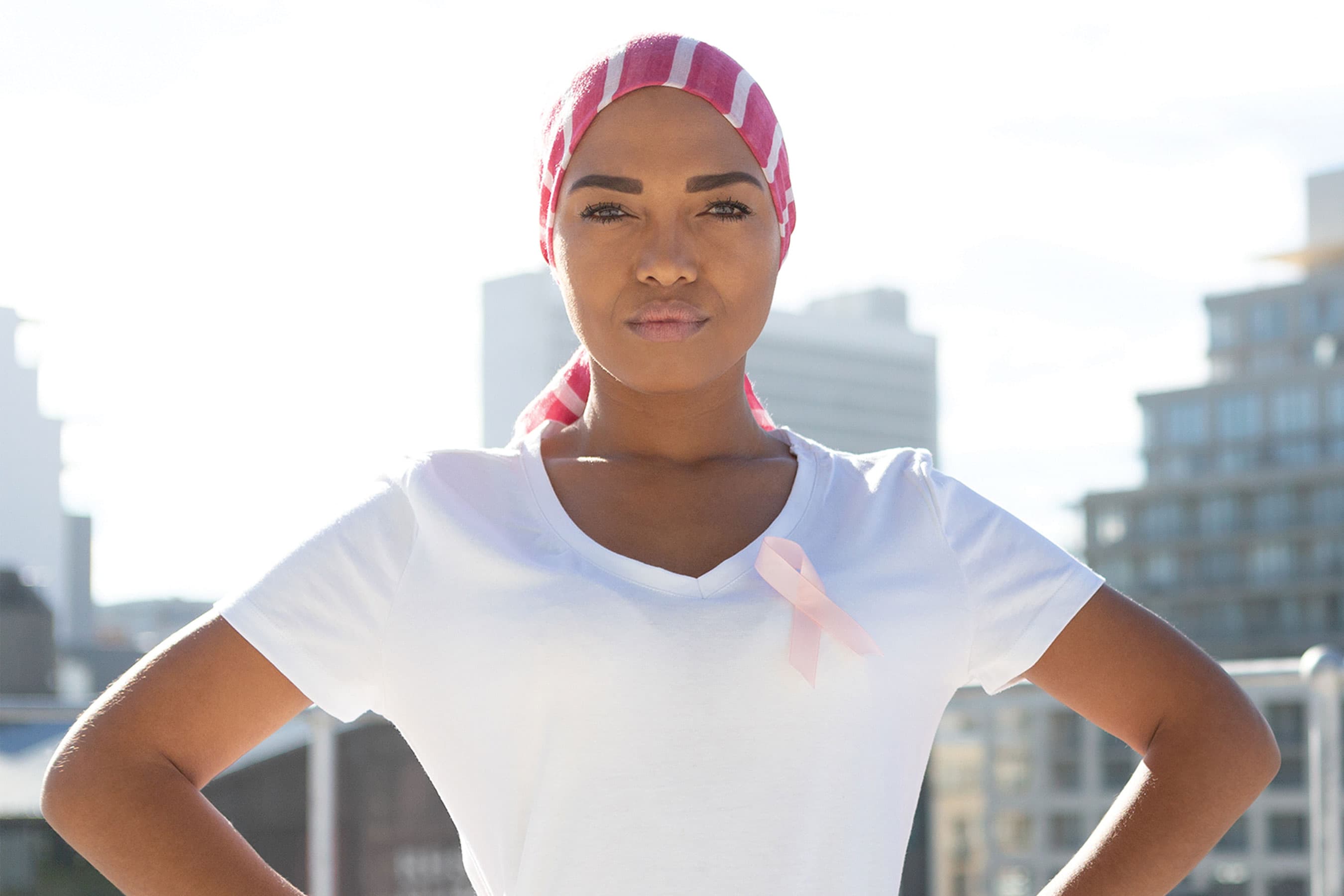
Breast cancer is the most common form of cancer among women, except for skin cancers. It accounts for 30% of cancers women get. Each year, there are about 325,000 new cases of invasive and non-invasive breast cancer. About 42,000 women die from it. Only lung cancer causes more cancer deaths among women.
Signs & Symptoms
Breast cancer often develops without signs and symptoms. This is why screening for breast cancer is needed.
Causes & Risk Factors
Breast cancer results from malignant tumors that invade and destroy normal tissue. When these tumors break away and spread to other parts of the body, it is called metastasis. Breast cancer can spread to the lymph nodes, lungs, liver, bone and brain.
Being a woman is the main risk factor. {Note: Men can get breast cancer, too. Yearly, about 520 men die from breast cancer. Men should look for and report a breast lump or other change to their doctors.}
Increase in age. The American Cancer Society has given these figures for women’s chances of getting breast cancer:
Current Age
Chance of Breast Cancer in the Next 10 Years
20
1 in 1,479
30
1 in 209
40
1 in 65
50
1 in 42
60
1 in 28
70
1 in 25
Lifetime risk
1 in 8
Changes in BRCA1, BRCA2, and other cancer genes.
Personal history of breast cancer.
A mother or sister has or had breast cancer.
One or more breast biopsies were done, especially if they showed certain changes in breast tissue.
Dense breast tissue (shown on mammograms).
Radiation therapy to the chest before age 30.
Never giving birth or having a first full-term pregnancy after age 30. Never breastfed a child.
Menstruation started before age 12. Menopause occurred after age 55.
Hormone therapy (estrogen plus progestin) after menopause and/or recent use of birth control pills may be factors.
Being overweight or obese after menopause.
Alcohol. The more consumed, the higher the risk.
Race. Caucasian women have a slightly greater risk than African American, Asian, Hispanic, and Native American women.
Eastern and Central European Jewish ancestry.
Lack of physical activity throughout life.
Ask your doctor about your risk for breast cancer. Contact the National Cancer Institute for The Breast Cancer Risk Assessment Tool. Access cancer.gov/bcrisktool or call 800-4-CANCER (422-6237).
Detection
Breast exams by a doctor or nurse.
Get mammograms as advised by your doctor. Have mammograms at facilities that are accredited by the American College of Radiology (ACR). Call The National Cancer Institute 800-4-CANCER (422-6237) to find ones in your area.
Ultrasound exam.
Magnetic resonance imaging (MRI).
Noticing problems in your breasts.
If you find a change in a breast or a lump, call your doctor. Additional tests can check for cancer. Most lumps that are found and tested are not cancerous.
Treatment
Finding and treating the cancer early is vital. Treatment is based on the type, size and location of the tumor. It also depends on the stage of the disease and individual factors you may have.
One or More of These Treatment Methods are Used
Surgery.
Sentinal lymph node biopsy and surgery.
Chemotherapy.
Radiation therapy.
Hormone therapy.
Targeted therapy. This kills cancer cells but not normal cells.
Immunotherapy.
Stem cell or bone marrow transplant.
Clinical trials.
Ask your doctor about the benefits and risks for each type of treatment and decide which options are best for you.
Self-Care
To Reduce the Risk for Breast Cancer
If you are at a high risk for breast cancer, ask your doctor about taking prescribed medicine, like raloxifene.
Avoid X-rays that are not needed. Wear a lead apron when you get dental and other X-rays not of the chest.
Eat a healthy diet, with a focus on plant sources: vegetables, fruit, whole grains, beans and lentils.
Get to and stay at a healthy body weight.
Do 30 or more minutes of moderate activity most days of the week. Daily is better.
Limit alcohol intake to 1 drink per day, if any.
Breastfeed your babies.
cancer
screening
detection
Triage Questions
Question 1
Do you see or feel any lumps, thickening, dimpling, or puckering in a breast or in the underarm area? Or, do you notice any changes in the shape or contour of the breast?