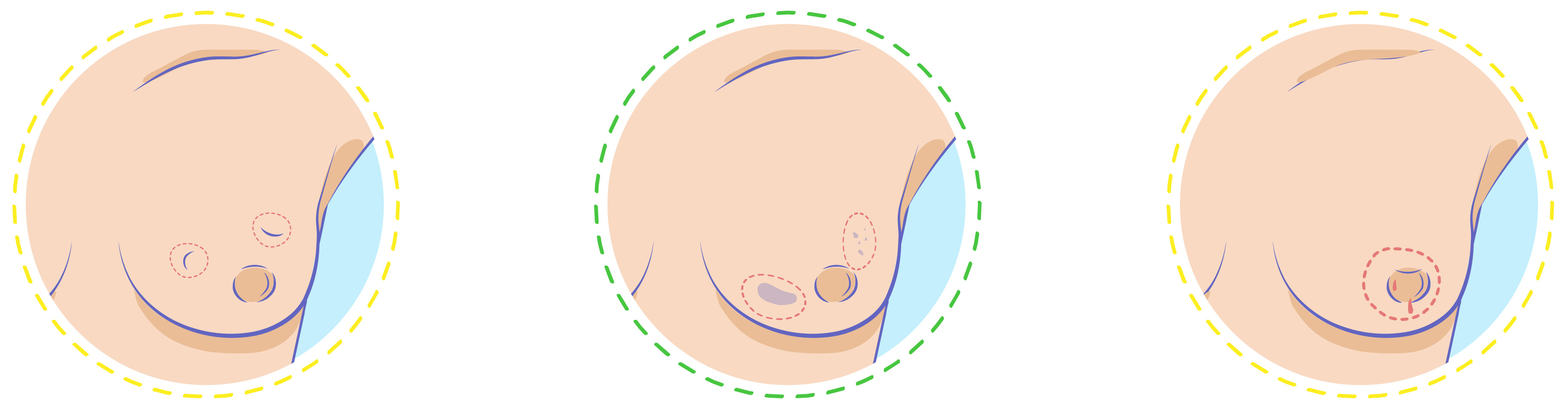
Breast Observance & Breast Self-Exam
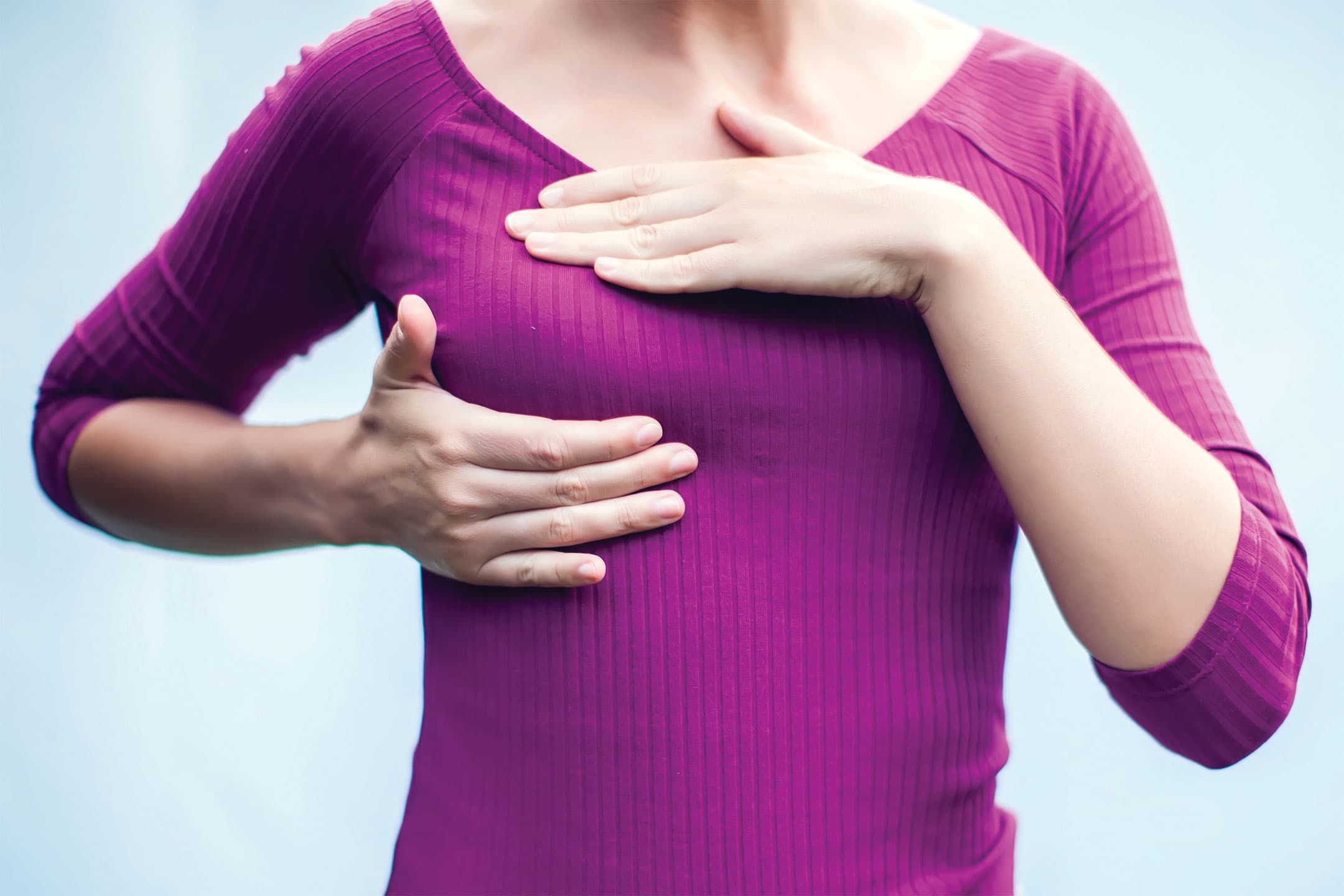
Breast observance is being aware of how your breasts normally look and feel and checking for changes. You can do this while you shower or get dressed. A breast self-exam (BSE) is a step-by-step method to examine your breasts. Beginning at age 20, ask your health care provider about the pros and cons of doing a BSE. If you choose to do a BSE, use the steps given on this page. At your next health exam, show your health care provider how you do a BSE.
BSE Steps
Examine your breasts during times of the month when they are not normally tender or swollen. For example, if you menstruate, the best time may be within 3 days after your period stops.
1. Lie down. Place a pillow under your right shoulder and put your right hand behind your head.
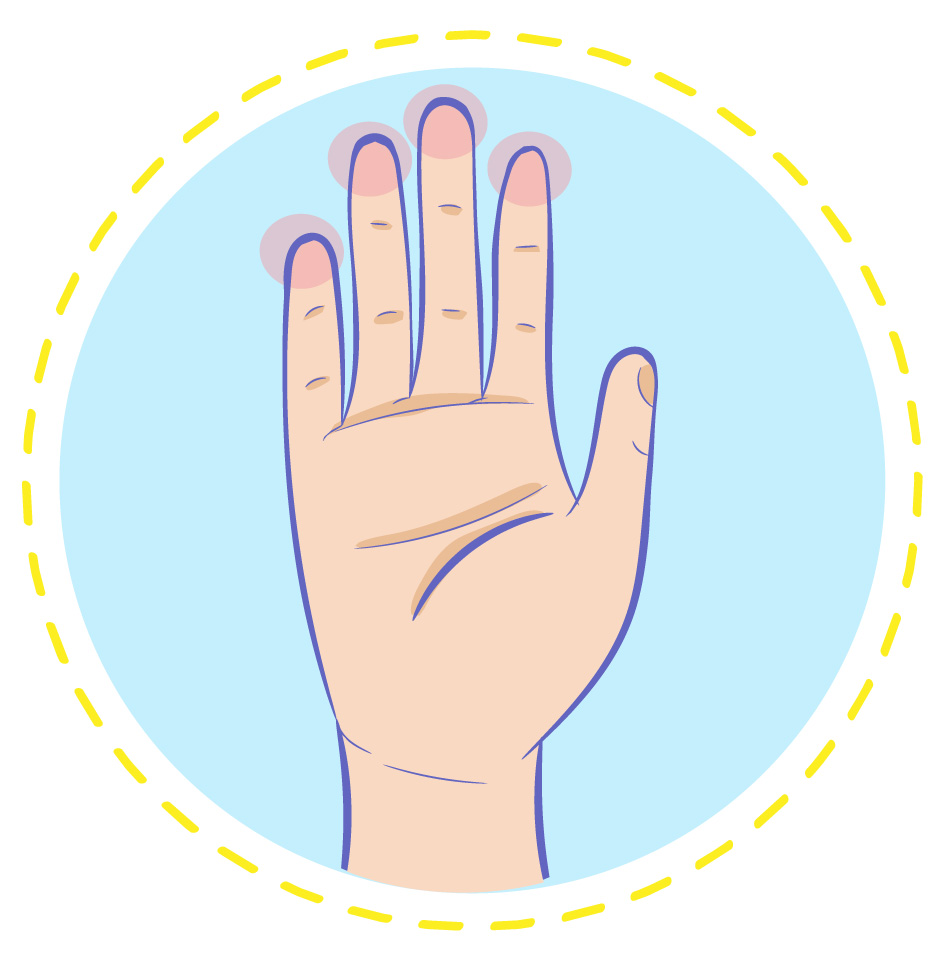
2. Move the pads of your left hand’s 3 middle fingers, held flat, in small, circular motions as you start to feel your right breast tissue.
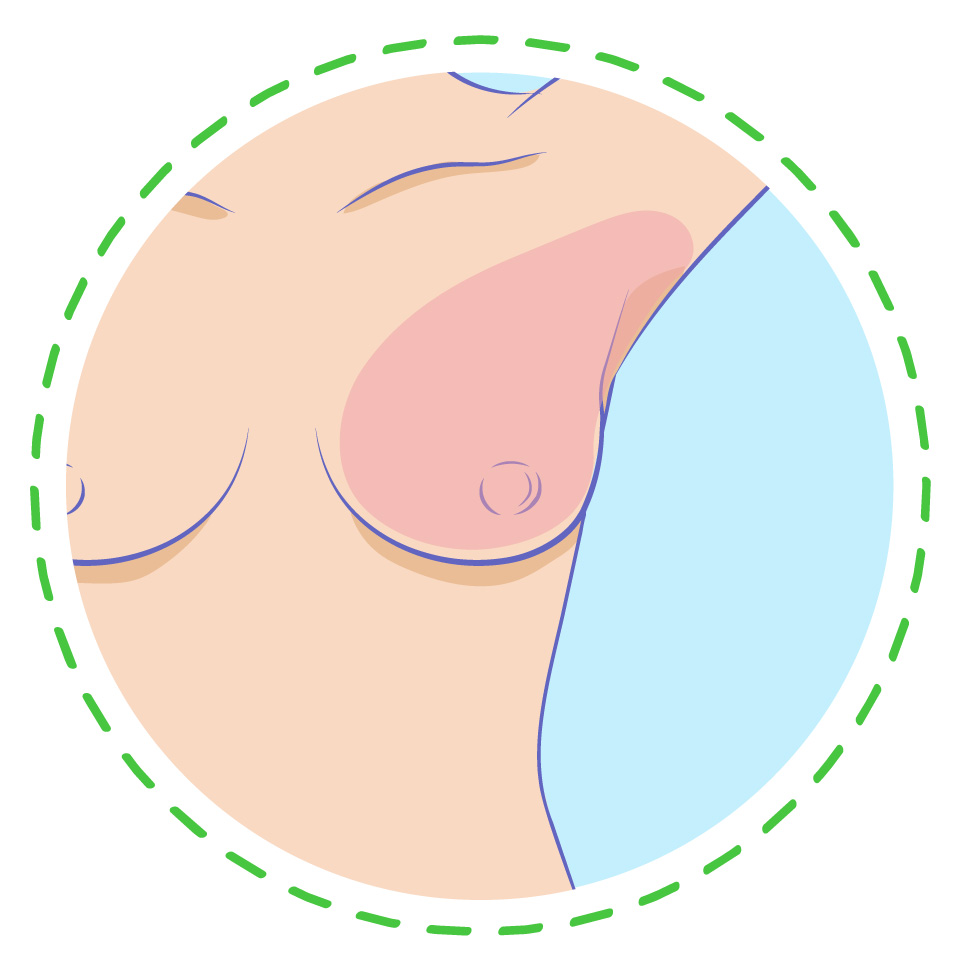
3. Use this circular motion in an up and down pattern as you check the entire breast area. This includes the area from as high up as your collarbone to as low as the ribs below your breast; and from your right side (imagine a line straight down from under your arm) across the breast to the middle of your chest bone.
Feel every part of the entire area you check with 3 different levels of pressure:
- Light – Feel the tissue closest to the skin.
- Medium – Feel a little deeper than the skin.
- Firm – Feel the tissue closest to your chest and ribs.
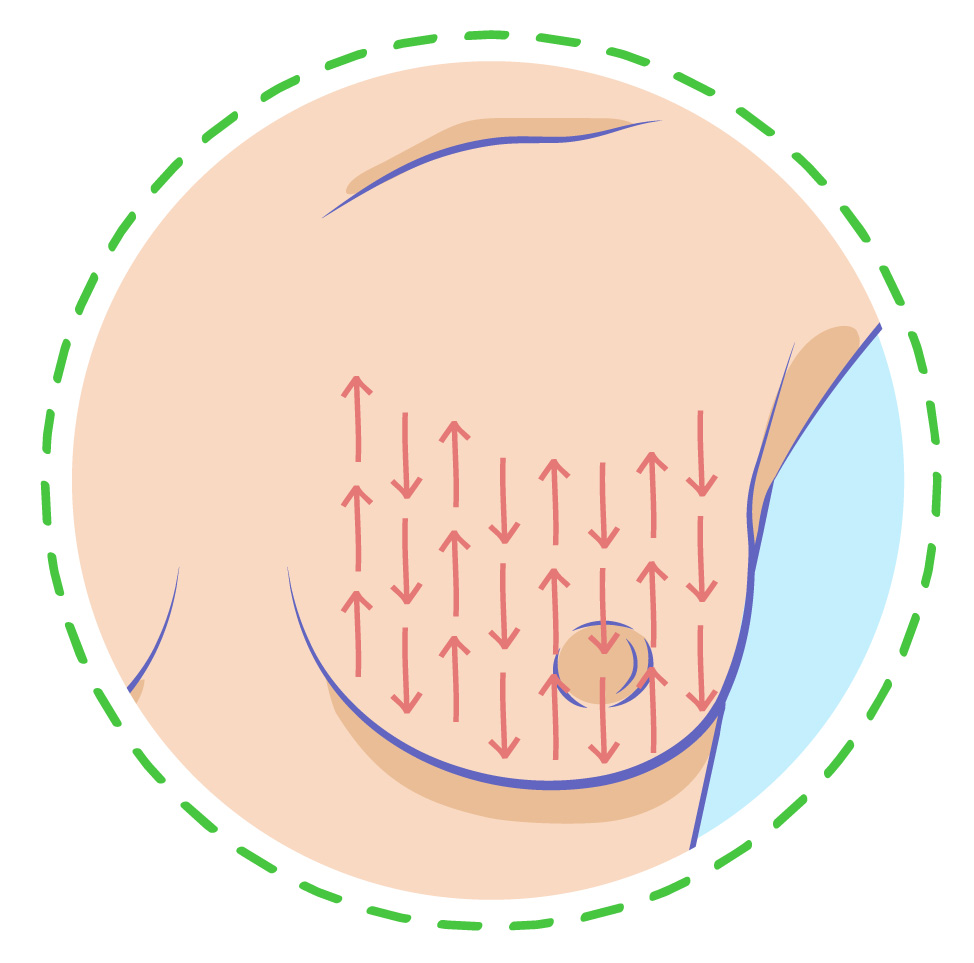
4. Squeeze the nipple gently. Check for a clear or bloody discharge.