Chest Pain & Heart Disease

Chest pain can be a warning sign for many things. It is often linked to a heart attack, especially in men. Women should be just as concerned. Heart disease is the number one cause of death for women in the U.S.
Signs & Symptoms of Heart Disease
Heart Attack
- Chest pressure or pain (may spread to the arm, neck, back, tooth or jaw).
- Feelings of chest tightness, squeezing, or heaviness that last more than a few minutes or go away and come back.
- Chest discomfort with: shortness of breath, nausea, sweating, fast or uneven pulse, or fainting.
- An uneasy feeling in the chest with: fluttering or rapid heartbeats, extreme fatigue or weakness, unexplained or extreme anxiety, or severe indigestion that doesn’t go away with an antacid.
- Unusual chest, abdominal or stomach pain.
- Dizziness, nausea, trouble breathing, jaw or arm pain without chest pain.
{Note: For any of these signs, don’t delay. Call 911 right away!} After your call:
- Chew 162-325 mg uncoated aspirin (up to 4 baby aspirins), unless you are allergic to aspirin.
- Be sure to tell the EMS driver that you are having chest pain.
Angina
With this, the heart does not get as much blood and oxygen as it needs for a given level of work. This causes pain, discomfort, or a squeezing pressure in the chest. Aching in a tooth, jaw or neck can also occur. Symptoms usually go away with rest and/or nitroglycerin. Angina attacks may occur with anger, excitement, or exertion, such as walking up a hill.
Heart Failure
With this, the heart “fails” to supply the body with enough blood and oxygen for its needs. This develops slowly. It becomes chronic. Symptoms are: shortness of breath, feeling very tired or weak, swelling in the lower legs, ankles, and feet, dry cough or one with pink, frothy mucus, rapid weight gain, and a fast heartbeat.
Causes
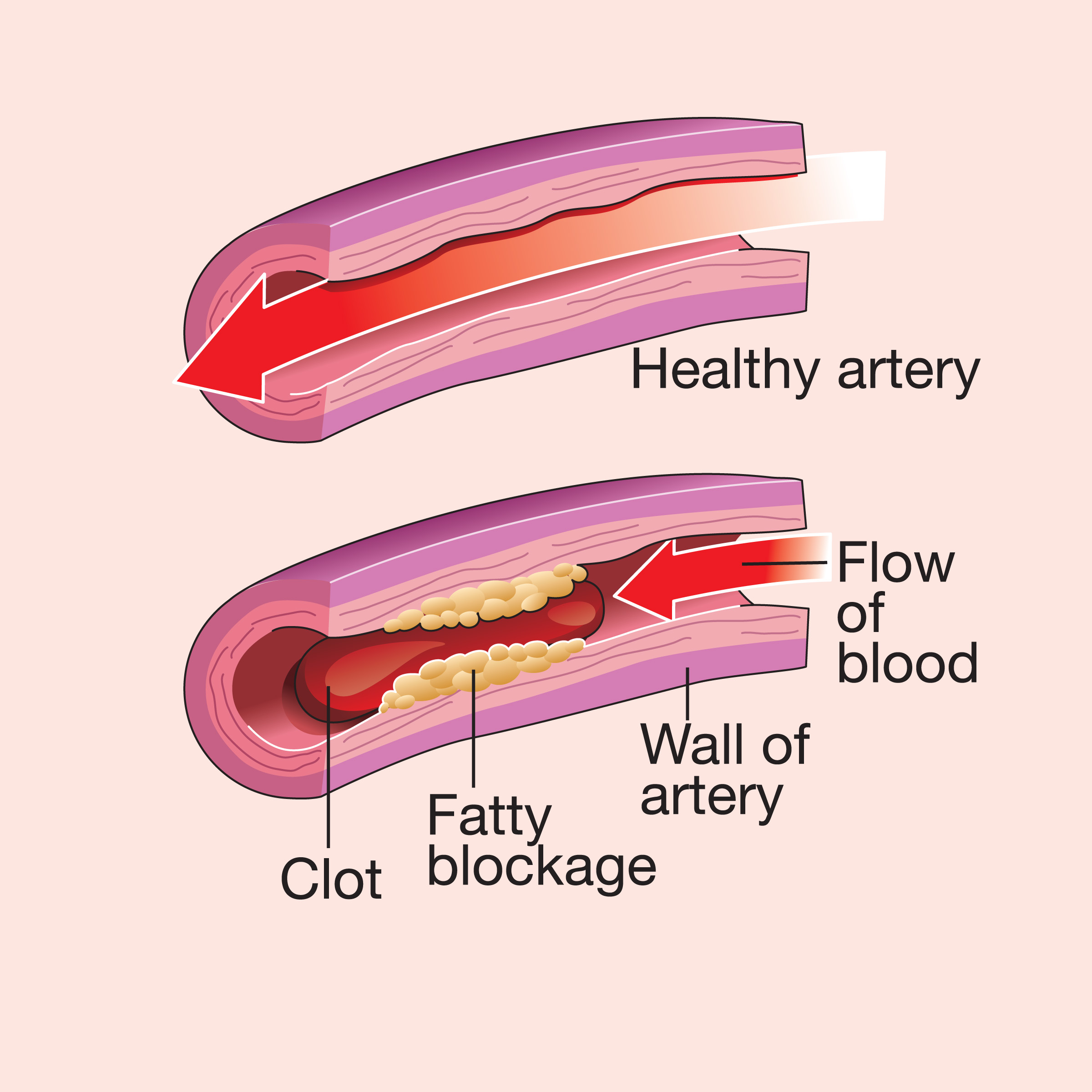
Heart disease is caused by atherosclerosis. This is the buildup of plaque in the inner walls of the arteries. The plaque is made up of blood, platelets, cholesterol, fibrous tissue, and sometimes, calcium. Blood flow to the heart is slowed or blocked. Besides heart disease, chest pain can also be a symptom of:
- Mitral valve prolapse (MVP), a heart-valve problem.
- Bronchitis, pneumonia, lung injuries, etc.