Fibroids
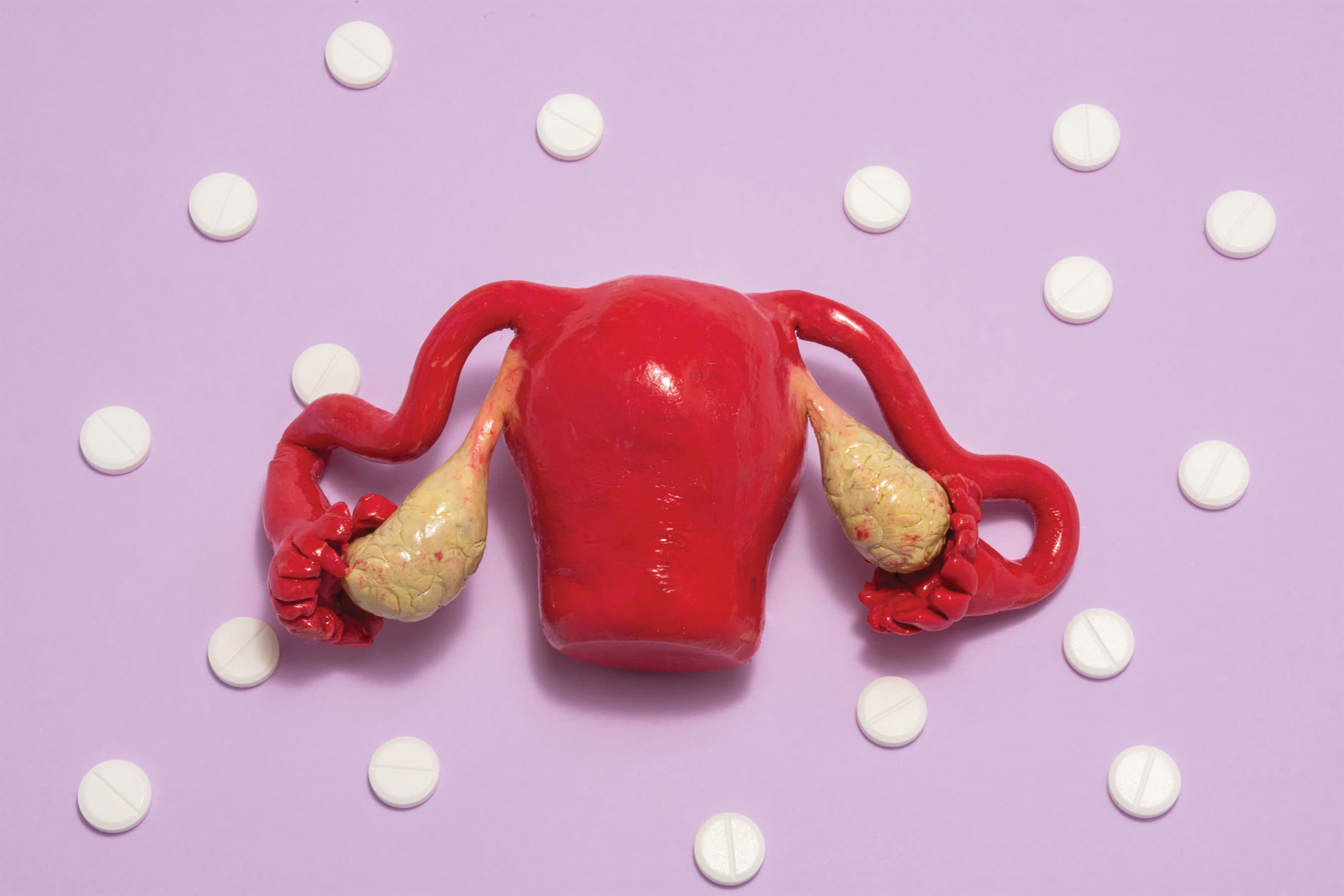
Fibroids are benign (not cancerous) tumors made mostly of muscle tissue. They are found in the wall of the uterus and sometimes on the cervix. They can range in size from as small as a pea to more than 6 inches wide. With larger fibroids, a woman’s uterus can grow to the size of a pregnancy more than 20 weeks along. About 20-80% of women develop fibroids by age 50.
Signs & Symptoms
Some women with uterine fibroids do not have any symptoms. When symptoms occur, they vary due to the number, size, and locations of the fibroid(s). Symptoms include:
- Abdominal swelling, especially if they are large.
- Heavy menstrual bleeding, bleeding between periods or after intercourse, or bleeding after menopause.
- Backache, pain during sex, pain with periods, etc.
- Anemia from excessive bleeding.
- Pelvic pressure.
- Passing urine often from pressure on the bladder.
- Chronic constipation from pressure on the rectum.
- Infertility. The fallopian tubes may be blocked or the uterus may be distorted. This is rare.
- Miscarriage. If the fibroid is inside the uterus, the placenta may not implant the way it should.
Diagnosis
Fibroids are diagnosed with a medical history and a pelvic exam. Your doctor can also do other tests, such as an ultrasound and hysteroscopy to confirm their presence, location and size.
Causes & Risk Factors
The exact cause is not known, but fibroids need estrogen to grow. They may shrink or go away after menopause.
Reasons a Woman is More Likely To Get Fibroids
- She has not been pregnant.
- She has a close relative who also had or has fibroids.
- She is African American. The risk is three to five times higher than it is for Caucasian women.
Treatment
“Watchful waiting.” Your doctor will “watch” for any changes and may suggest “waiting” for menopause, since fibroids often shrink or disappear after that time. If you have problems during this “waiting” period, you may decide that you do not want to “wait” for menopause, but choose to have something done to treat your fibroids. Problems include: too much pain, too much bleeding, an abdomen that gets too big, the need to take daily iron to prevent anemia, and other abdominal issues.
Medication