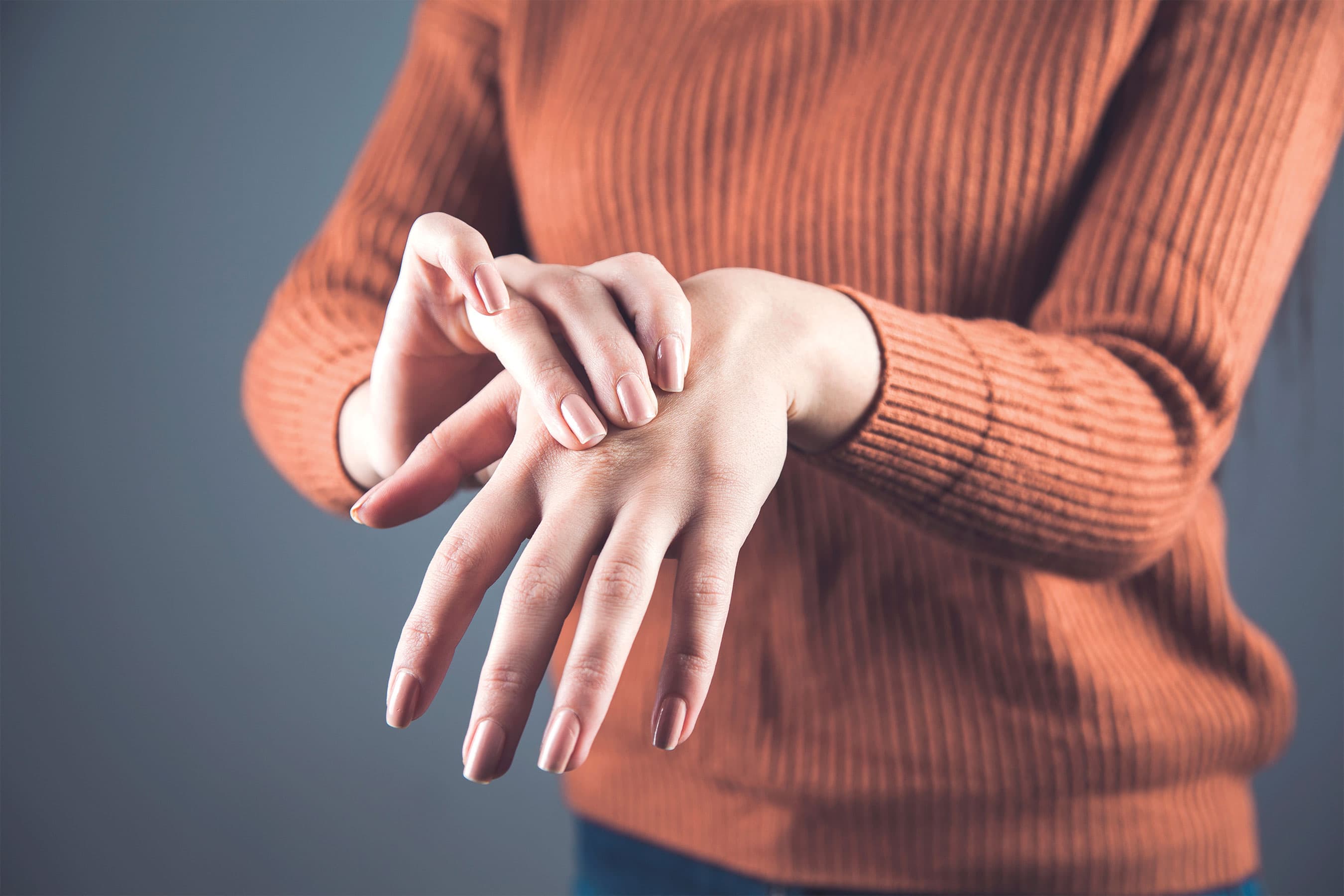
Arthritis refers to over 100 disorders that affect the joints or areas around the joints. It is a common chronic health problem and occurs in people of all ethnic groups. In the U.S., arthritis is the most common cause of disability.
The risk for arthritis increases with aging but also affects younger people, too. Arthritis is more common in women than men.
Rheumatoid Arthritis (RA)
This type is chronic disease that affects the linings of the joints. Most often, RA affects many joints. The disease may also attack tissues in the skin, lungs, eyes, and blood vessels. Persons of all ages, including children, can have RA. It is much more common in women than in men. For some people, symptoms of RA are constant. For others, symptoms are mild sometimes, but get worse (flare up) at other times.
Signs & Symptoms
Warmth, redness, pain, and swelling around the joints. Often, the swelling affects the wrist and finger joints closest to the hand.
Joint swelling sometimes affects other joints, such as the neck, shoulders, elbows, hips, knees, ankles, and feet.
Swelling of the joints occurs on both sides of the body, such as both wrists.
Pain and stiffness last for more than 30 minutes in the morning or after a long rest.
Fatigue and not feeling well in general
Fever occurs sometimes.
Anxiety, depression, and feeling helpless are common problems for people with RA.
Causes
With RA, the body’s immune system attacks its own joints and sometimes other body organs. What causes this abnormal response is not known. Things that may contribute to RA include:
Family history of the disease
Factors in the environment, such as heavy smoking
Hormones. In women with RA, it is common for the disease to go into remission during pregnancy. Symptoms increase, though, after the baby is born.
An infection from a virus or bacteria, but no single organism has been found to be the cause.
An out of balance gut microbiome that negatively affects immune system function
Osteoarthritis
This is the most common type. It is a disease of the whole joint, not just the cartilage. Bones in the affected joints become weaker, the connective tissue deteriorates, and inflammation damages the joint lining. This type of arthritis is common in joints that bear weight (knees and hips).
Signs & Symptoms
Joint pain and stiffness, especially after being inactive or overusing a joint
Knobby growths on finger joints
Loss of motion in joints
Joint tenderness and swelling can occur.
Causes
Aging joints
Wear and tear on joints. Also, people who are overweight put greater stress on joints that bear weight (knees and hips).
Joint injury and overuse
Family history of arthritis
Juvenile Rheumatoid Arthritis (JRA)
This type affects persons age 16 and younger. With JRA, joint stiffness and swelling (that causes soreness, redness, warmth, and/or pain) last 6 weeks or longer.
There are 3 kinds of JRA:
The most common kind is one in which 4 or fewer joints are affected. These are usually large joints, such as the knees. Eye problems are also common with this type of JRA. Some children outgrow joint problems by the time they become adults, but may continue to have eye problems.
A second kind affects 5 or more joints. These are usually small joints, such as ones in the hands and feet and the same ones on both sides of the body. Large joints can also be affected.
A third kind affects joints and internal organs, such as the heart, liver, lymph nodes, and spleen. A skin rash and a fever are also present.
Gout
Gout is most common in men over 30 years of age. Less common in women, it usually occurs after menopause.
Signs & Symptoms
Sudden, intense pain in a joint, usually in a big toe, wrist, knee, or elbow
Swollen joint
The joint area is red or purple in color, feels warm, and is tender to the touch.
Sometimes, fever and chills
Symptoms can last many hours to a few days.
Causes
Gout occurs when crystals from high blood uric acid (a body waste product) deposit in joints and/or soft tissues. The body’s immune system treats these crystals like a foreign substance. This leads to swelling and pain.
Ankylosing Spondylitis (AS)
This type of arthritis is more common in men than in women. It usually begins between the ages of 17 and 35.
Signs & Symptoms
Early signs are stiffness and a dull pain in the lower back and buttocks.
Mild fever and general ill feeling may occur.
Over time, the stiffness and pain become chronic and spread up the spine and into the neck. The shoulders, hips, and other areas of the body can also be affected.
In some persons, joints fuse together. This causes a stiff, bent posture.
Red, painful, and watery eyes. Blurred vision can occur and eyes can be sensitive to bright lights.
Causes
Genetic factors play a big role. Having frequent gastrointestinal infections or an inflammatory bowel disease, such as Crohn’s disease or ulcerative colitis, is also a factor.
How It Is Diagnosed
To diagnose arthritis, your doctor does these things:
Asks to describe symptoms and does a physical exam
Asks if you have had any physical stresses or injuries
Examines joints and areas around them
These tests may be needed:
Blood and urine tests
X-rays and MRIs
Taking a fluid sample from a joint. The fluid is examined.
Tests also help diagnose or rule out other arthritis-related problems. Examples are:
Lyme disease. This is an infection from a deer tick bite.
Other auto-immune diseases, such as fibromyalgia and lupus (the systemic kind).
Reasons to Call Doctor/Provider
A joint is painful, tender, red, or warm.
Can’t move a joint normally
Joints are very stiff, especially in the morning.
A fever, chills, severe sweating, or a rash occurs with other arthritis symptoms
You can’t use one or more joints.
Severe pain occurs in the big toe or severe pain and swelling occur in one or more joints.
Joint pain or stiffness keeps you from doing normal activities or your arthritis worsens.
Self-Care: Exercise
Exercise is very important to treat arthritis. After a few months of regular exercise, most people have less pain. In time, people who exercise daily find it easier to move their joints without pain.
It increases energy, flexibility, and stamina.
It helps protect joints from further stress.
It improves posture.
It keeps muscles and bones strong.
It improves general health and promotes a sense of well-being.
The type and amount of exercise you should do depends on the type of arthritis you have and your needs. Follow your doctor’s or health care provider’s advice.
In general, you will be advised to do three types of exercise:
Stretching Exercises. Examples are reaching exercises, tai chi, and yoga. These loosen up stiff joints and make them more flexible. They improve or maintain range of motion.
Mild Strengthening Exercises. Examples are lifting 1 to 2 pound weights and using an exercise resistance band. These help build or keep muscle strength. Strong muscles help support and protect joints. Joint movement improves as muscles get stronger.
Low-Impact Aerobics. Examples are walking, biking, swimming, and water aerobics. These exercises strengthen the heart and lungs and help control weight. They also give you more energy and build your ability to be active longer.
Exercise Tips
Discuss exercise plans with your doctor. They may refer you to an exercise specialist.
Choose exercises that use all affected joints.
Your exercise routine does not have to be a formal one. Try to fit more activity into your daily routine. If you can, take the stairs, not the elevator. Walk or ride a bike instead of driving.
Start your program slowly. Progress slowly, too.
Do shorter exercise sessions throughout the day.
Stop exercising if a joint is swollen, painful, or red.
It may help to apply heat to sore joints before you exercise and cold packs after.
Rest when you need to. Rest your joints after activities.
Self-Care: Diet
Persons with gout may need to limit foods high in purines. These include liver and other organ meats, anchovies, sardines, beer, and wine. Tips for a healthy diet include:
Eat a variety of whole foods. Avoid or limit ultra processed foods.
Maintain a healthy weight.
Eat plenty of vegetables, fruits, whole-grain foods, and beans and lentils.
Limit saturated fat and choose healthy fats instead, such as olive and canola oil, avocado, and nuts and seeds.
Limit added sugar and salt. Avoid sugary beverages.
Limit alcohol to 1 to 2 drinks a day, if any.
Plan to get 1,000 to 1,500 mg of calcium a day. Good sources of calcium are:
Nonfat and low-fat milks, yogurts, and cheeses, or fortified plant-based versions.
Orange juice and other items with added calcium
Broccoli, kale, and collard greens
Beans, bean sprouts, and tofu (if made with calcium)
Calcium supplements. Take the ones your doctor or health care provider advises.
Eat fish, like salmon, tuna, and trout, twice a week. These fish have omega 3-fatty acids, which may help reduce inflammation. These fatty acids are also found in flaxseeds, walnuts, chia seeds, edamame, seaweed, and algae.
Eat plenty of plant-based foods and fermented foods to support the healthy microbes in your body that help fight inflammation. Fermented foods include yogurt with live and active cultures, kefir, and tempeh.
Consult your doctor about taking flaxseed oil, fish oil, vitamin D, and other supplements.
Tiredness and pain can make it harder to prepare healthy meals. These tips can help.
Take breaks when you make meals. Sit down.
On days that you are having a lot of pain, use prepared foods. Buy ready-to-eat vegetables.
Use tools that make it easier to prepare meals. Use an electric can opener, not a hand-held one. Use a microwave oven. Look for useful gadgets at medical supply stores.
Your health care provider can refer you to a specialist who can show you how to make household tasks easier.
Ways to Relieve Pain
Apply moist heat for 15 to 20 minutes, 3 times a day. Use warm towels or hot packs or take warm baths or showers.
Use cold treatment 10 to 15 minutes at a time. This helps stop pain and reduces swelling. Use ice packs, cold packs, or frozen vegetables wrapped in a towel.
If you have Raynaud’s disease, you should not use cold treatment. Cold makes this condition worse.
Use water therapy to decrease pain and stiffness.
Pool exercises. Find out if local pools and health centers have water exercise classes for people with arthritis.
Whirlpool baths
Do relaxation exercises to release the tension in your muscles or other ways to manage stress which may help reduce pain and other discomfort.
Apply over-the-counter creams and lotions that block the pain. Try ones with capsaicin or menthol. Ones with diclofenac or salicylates should be used with your doctor’s guidance. Using too much salicylates can lead to a salicylate overdose.
Take medications as prescribed.
Medical Care: Your Health Care Team
Medicines
Over-the-counter or prescribed pain relievers. These include acetaminophen and nonsteroidal anti-inflammatory drugs (NSAIDs). NSAIDs reduce inflammation, too. Your doctor may prescribe an NSAID cream.
Over-the-counter supplements. Examples are glucosamine and chondroitin. Follow your doctor’s advice about using these.
Corticosteroids. These slow down the immune system. They help a lot with swelling, but have many side effects. They can be given in pill form, in an IV, or injected right into the affected joint area.
Medicines to treat gout. One type lowers the amount of uric acid the body makes. Another type gets the kidneys to excrete more uric acid.
Hyaluronic acid injections. These can relieve pain for osteoarthritis of the knee. They may be given if other treatments don’t help.
Biologic agents. These block steps in the body’s inflammation process. They help stop arthritis from getting worse.
Disease modifying antirheumatic drugs (DMARDs) may be prescribed for rheumatoid arthritis. These reduce inflammation and slow down or suppress the immune system. They can help relieve pain, too.
Other medicines as needed. Examples are ones for depression, anxiety, osteoporosis and/or to assist with sleep.
Splints
Your doctor may have you wear a splint over the affected joint(s). This helps rest the joint.
Mobilization Therapies
The following can help manage pain and increase joint motion and muscle and tendon flexibility:
Traction (gentle, steady pulling)
Massage
Manipulation (using the hands to restore normal movement to stiff joints)
Acupuncture
A trained person places special needles in certain sites. The needles stimulate deep sensory nerves that tell the brain to release natural painkillers (endorphins).
Surgery
In most cases, surgery is not needed. Damaged joints can be repaired or be replaced with joints made from plastic and metal. Surgery can also remove damaged tissue in a joint.