HealthyLearn Site Navigation:
Online Clinic
Bone & Muscle
Foot Problems
July 6, 2026
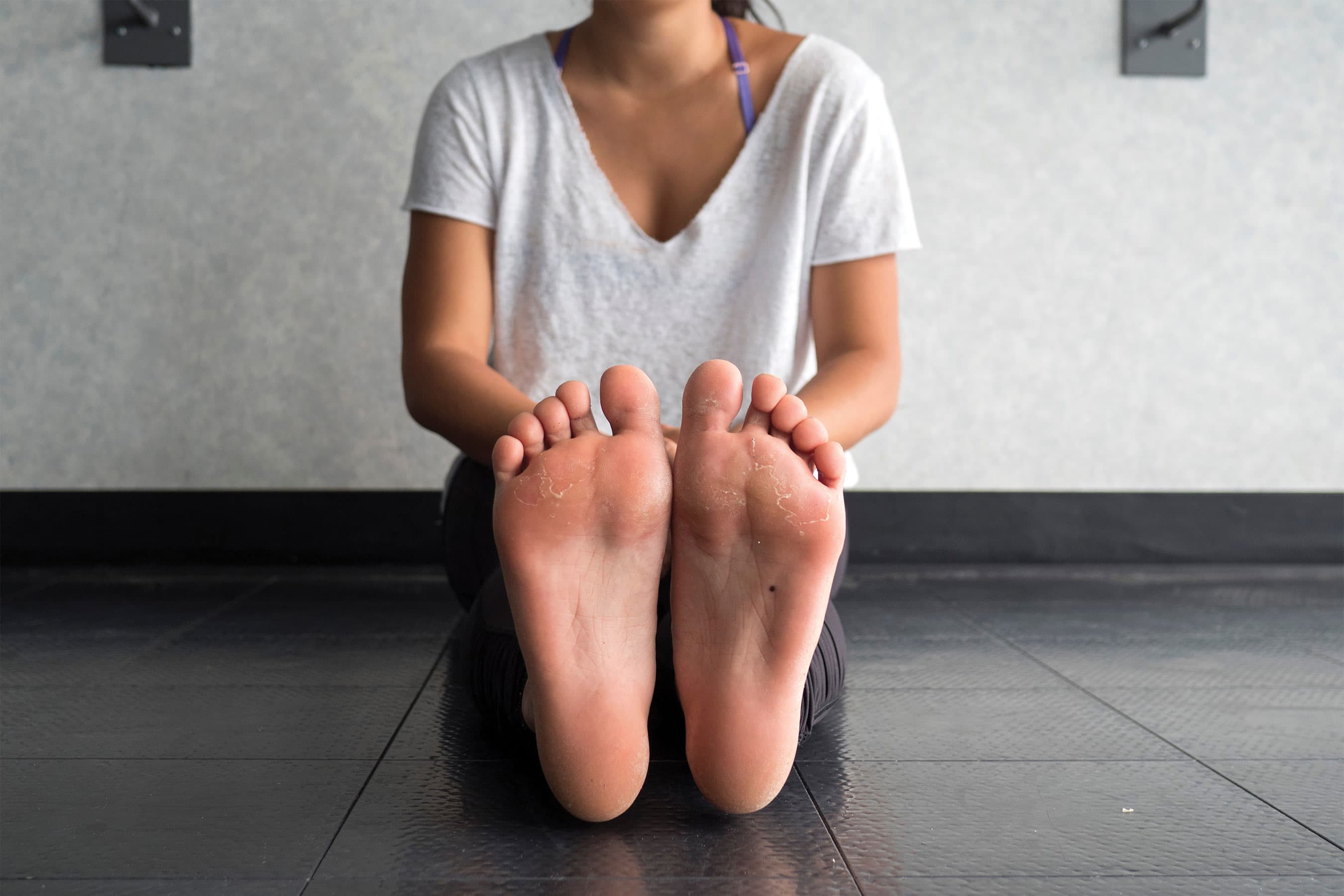
Some foot problems are due to years of wear and tear on your feet. Others can be due to shoes that do not fit well or trimming your toenails too close to your skin. Circulation problems and diseases, such as diabetes, can lead to foot problems, too.
| Signs & Symptoms | What It Could Be | What to Do |
|---|---|---|
These problems appear in a matter of hours to a few days:
| Gangrene | Get medical care fast! |
Pain from a fall or injury to your foot (not just a toe) with any of these problems:
| Broken bone(s) in the foot (not just a toe). | Get medical care fast! |
| Sudden onset of pain in your feet and or your foot feels like “pins and needles” or you can’t feel or move your foot. One foot is paler or colder than the other. | Peripheral artery disease | Get medical care fast! |
| Toes turn white then red in response to cold. Tingling. Numbness. Becomes cool to the touch. | Frostbite (if signs occur after cold exposure) | Contact doctor for an appointment right away. |
| The bottom of the foot is red and swollen and feels warm and tender. | Cellulitis | Follow your treatment plan. Take all of your prescribed antibiotic(s) and/or pain relievers as directed. Rest the affected area. Elevate it to reduce swelling. |
| Cut or puncture from a dirty or contaminated object, such as a rusty nail or other object in the soil. | Cut or puncture wound | Treatment depends on the cause and severity but may need a tetanus shot. Simple wounds can be treated with self-care. Medical care, such as stitches or antibiotics, may be needed for deep cuts or ones longer than an inch. |
| A foot wound with: Fever; redness, tenderness, or warmth; swelling; pain; and/or pus. | Infection | See doctor. |
| Severe pain in foot joint, often the big toe. The pain is not due to an injury. The joint hurts a lot when anything touches it. The area is red, swollen, and tender. | Gout | See doctor. |
| Joint pain when moving and at rest, and morning stiffness in joints that lasts more than 1 hour. Joint swelling. Fatigue. | Rheumatoid arthritis | See doctor. |
| Pain in only one toe after an injury to the toe. | Broken or sprained toe | For an injured toe, tape it to the toe next to it. Do this for 2 to 4 weeks. Take an over-the-counter medicine to reduce swelling and pain as directed. An X-ray may be needed. |
| Open sores (ulcers) on the toes. Pain and cold, pale skin color which improves with rest. | Buerger’s Disease | See doctor. |
| Tenderness and pain under the heel bone. | Heel spur | See doctor. |
| White, brown, or yellow toenail. The nail can thicken, then get soft and weak. It may tear away from the nail bed or look deformed. | Toenail fungus | See doctor. |
| Moist, soft, red, or gray-white scales on the feet, especially between the toes. Cracked, peeling, dead skin area. Itching. Sometimes small blisters on the feet. | Athlete’s foot | Wash your feet twice a day, especially between your toes. Dry the area thoroughly. Don’t use antibacterial soaps. Use an over-the-counter antifungal powder, cream, or spray between toes and inside your socks and shoes. Wear clean socks made of cotton or wool. Change socks during the day to help your feet stay dry. Wear ventilated shoes or alternate shoes daily. Avoid walking barefoot in locker rooms. |
| Sharp and burning pain on the ball of the foot. | Morton’s neuroma. This is thickening of nerve tissue, usually between the third and fourth toes. | Wear wide shoes with soft insoles. Put pads or arch supports in your shoes. These help take pressure off the area. Take an over-the-counter medicine for pain as directed. See doctor if these measures don’t bring relief. |
| Painful growth on the ball or heel of the foot. Black pinholes or spots in the center. | Plantar wart | Treatment for warts depends on their location, type, and severity and how long they have been on the skin. About 50% of warts go away in 6 to 12 months without treatment. Self-care measures can be used for warts not on the face or genitals. Medical treatment includes liquid nitrogen, chemical injections, topical medicines, laser surgery, and minor surgery. |
| Thickened skin on the ball or heel of the foot. Usually no pain. | Callus | Self-care treats most cases. If not, a family doctor or foot doctor (podiatrist) can scrape the hardened tissue and peel away the corn with stronger solutions. Sometimes warts lie beneath corns and need to be treated, too. |
| Discomfort, pain, tenderness, and/or redness under the corner of a toenail and nearby skin. | Ingrown toenail | Soak your foot in warm, soapy water for 5 to 10 minutes, twice daily. Gently lift the nail away from the reddened skin at the outer corners with the tip of a nail file. Soak a small piece of cotton or dental floss in an antiseptic. Place it between the nail and your skin. Change it daily until the nail begins to grow above the edge of your skin. Use an antibiotic cream and wear roomy shoes. |
| The big toe points inward or outward. A bony bulge at the outside base of the big toe. Thickened skin. Possible fluid build-up near the big toe. Stiffness or pain. | Bunion | Avoid high heels or shoes with narrow toes. Wear sandals. Use moleskin or padding to separate overlapped toes. Try arch supports or padded shoe inserts to reduce pressure. Use ring-shaped pads over a bunion. Cut out an old pair of shoes to wear in the house. Apply ice after being on your feet too long. If needed, take an over-the-counter pain reliever as directed. |
| Thickened skin on tops of and between toes where rubbing is constant. Feels hard to the touch and looks round. Small, clear spot (hen’s eye) may appear in the center. | Corn | Self-care treats most cases. If not, a family doctor or foot doctor (podiatrist) can scrape the hardened tissue and peel away the corn with stronger solutions. Sometimes warts lie beneath corns and need to be treated, too. |
| Pain between the heel and the ball of the foot, especially in the morning. Often this is due to walking, running, or putting weight on the foot. | Planter Fasciitis. This is a problem with ligaments and tissues in the foot arch. | Rest the foot as much as you can. Take an over-the-counter medicine for pain and swelling as directed. Wear shoes with a solid arch support or ask your doctor about shoe orthotics. |
| Red, sometimes fluid-filled sores caused by footwear that rub the foot. | Blisters | Don’t break a blister. If it breaks on its own, apply an antibacterial spray or ointment and cover with a bandage or sterile dressing. Don’t cut away or pull off the broken blister’s loose skin. This protects the new skin below it. |
| Charley horse or muscle spasm in the foot. Often, this occurs at bedtime or during a physical activity. | Foot cramp | Stop the activity. Stretch and massage the area. Drink water or sports drinks when exercising. |
| Curled or claw-like position in a toe (usually the 2nd toe). A corn forms on the top of the toe. Pain. | Hammertoe | Wear wide, roomy shoes. Massage the toes. Change shoes during the day. Try athletic shoes. Use small pads over the center of the toe to lessen pressure. Ask your doctor about shoe orthotics. |