Healthy Gut, Healthy Brain
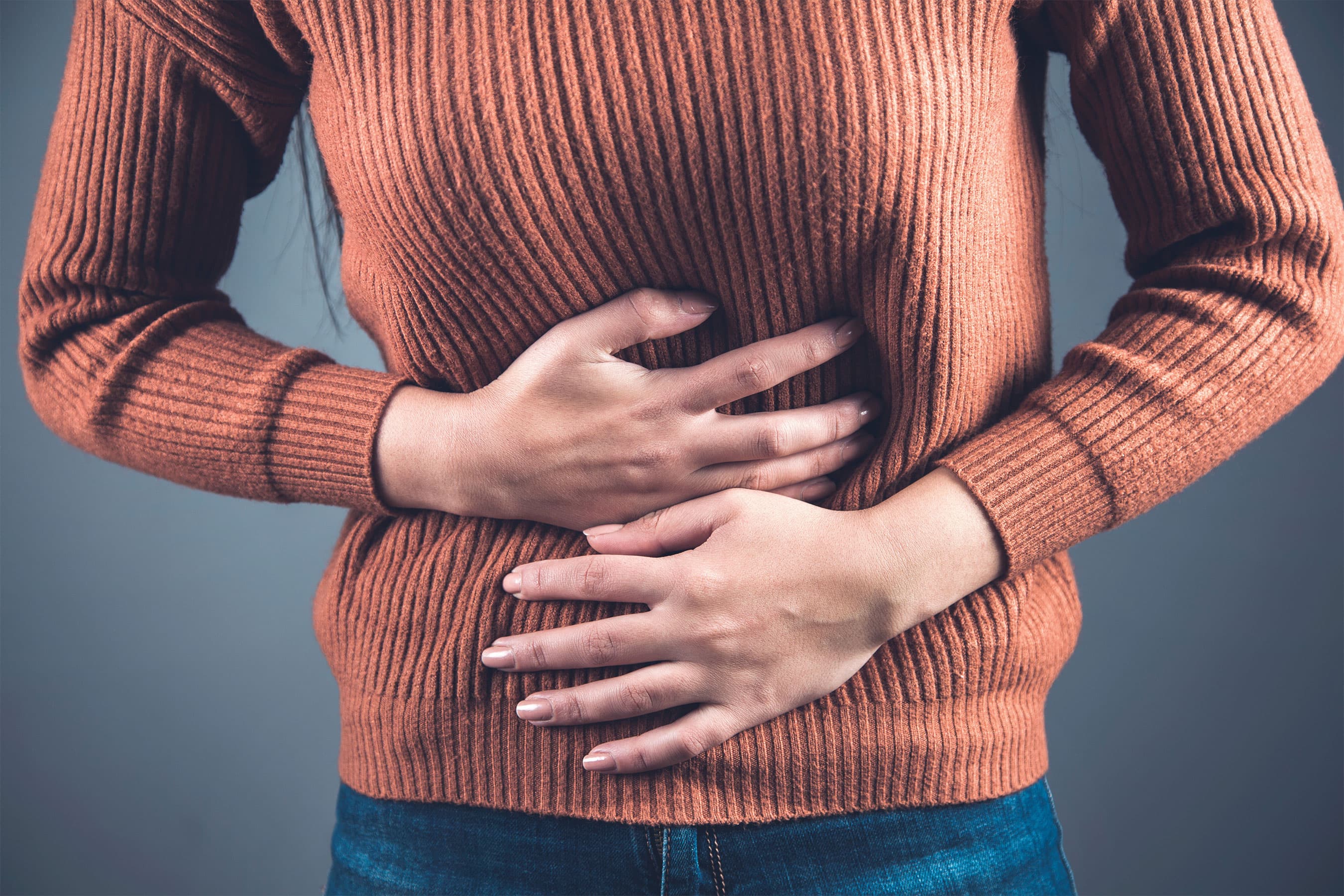
A complex network of nerves and signals links the gut and brain. If you’ve ever had “butterflies in your stomach” or a “gut feeling,” you know this firsthand. This link means caring for your gut is one way to care for your brain.
The Gut-Brain Axis
The gut-brain axis is a communication network made up of nerves, hormones, and signals from the autonomic nervous system (the system that handles body functions like breathing and digestion). The microbiome of your gut is an important part of this communication network.
Your microbiome is the diverse community of microbes that reside in your gut, mostly your large intestine, and live symbiotically alongside you. A healthy microbiome is a very good thing. It supports digestion, immune response, disease protection, and your brain health.
Here’s what we know:
- Healthy bacteria in the gut break down fiber from your diet and produce short-chain fatty acids (SCFA), which are powerful anti-inflammatory compounds.
- SCFAs positively interact with nerve cells and hormones.
- They can cross the blood-brain barrier and benefit brain tissue.
- SCFAs promote the production of the neurotransmitter serotonin, most of which is made in the gut. Serotonin is a natural mood stabilizer.
- Dysregulation of the microbiome is associated with a variety of conditions, including autism, depression, and anxiety. Supporting a robust microbiome is one way to protect your brain.
Healthy Diet
While many lifestyle habits influence your gut and your brain, what you eat is a big one. Your microbiome loves fiber. A fiber-rich diet provides essential food for the bacteria in your gut to grow, proliferate, and create lots of SCFAs.
A healthy gut (and brain) diet looks like:
- 5-7 servings of fruits and vegetables a day
- Whole grains in place of processed grains (think brown rice instead or white rice)
- 1 or more servings of beans or legumes daily
- 1-2 servings of nuts and seeds daily
- Lots of water to stay hydrated
Try slowly including more high-fiber foods like these in your diet:
- Flax seed meal
- Oatmeal
- Beans (black beans, kidney beans, etc.)
- Lentils
- Brussels sprouts or broccoli
- Raspberries