Kids & Cavities
© American Institute for Preventive Medicine. All Rights Reserved. HealthyLife.com
Kids & cavities
Although children will lose many of their first teeth as they are replaced with permanent adult teeth, the “baby” teeth are still important. Cavities and decay, even in those first teeth, can lead to speech and eating problems and crooked adult teeth. Follow these tips to keep your child’s teeth in the best possible condition:
• Don’t let baby go to bed with a bottle. Even milk contains natural sugars that can sit on the teeth and cause cavities.
• For infants, wipe gums twice a day with a soft, clean cloth after their first feeding and right before bed at night. No toothpaste is necessary at this age.
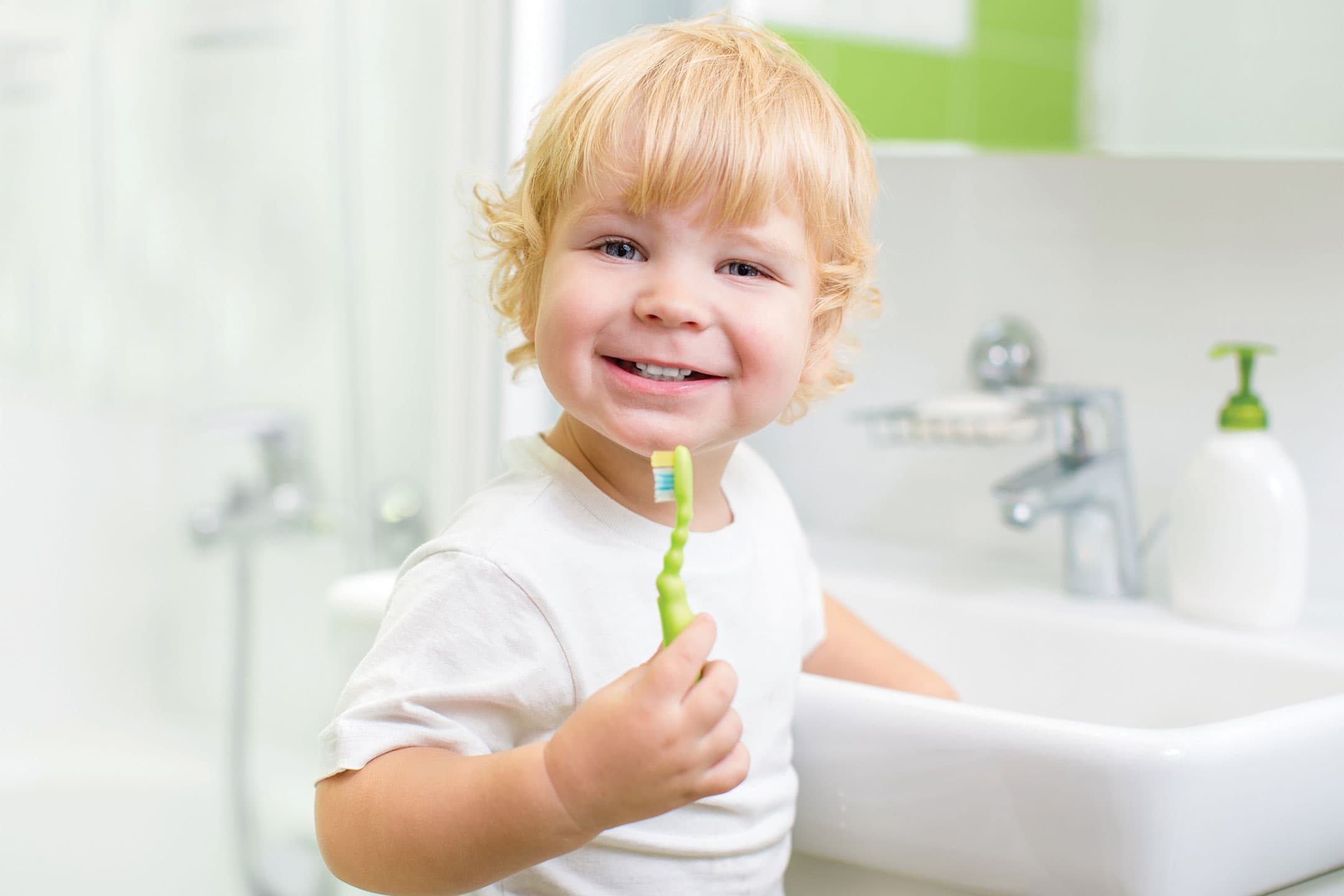
• Toddlers will need help brushing with a small, soft toothbrush. Just water is fine – no toothpaste is needed yet.
• Once your child reaches age 3, they should be brushing twice daily with a pea-sized amount of fluoride toothpaste. You should supervise brushing until age 7 to ensure they are reaching all sides of the teeth.
• Teach your child to floss. There are easy-to-grip flossers designed for kids that may help them get used to the habit.
• Take your child to the dentist. The ADA recommends you start when your child is 1 year old, and every 6 months after that. This is a good time to discuss dental care (including the benefits of applying fluoride varnish and dental sealants), examine your child’s teeth, and get them familiar with seeing the dentist.
© American Institute for Preventive Medicine. All Rights Reserved. HealthyLife.com