HealthyLearn Site Navigation:
Online Clinic
Children's Health
Skin Rashes in Children
July 6, 2026
| Signs & Symptoms | What It Could Be | What To Do |
|---|---|---|
| Red or pink, raised areas on the skin that itch. These can change shape. They can fade and then come back anywhere on the body. | An allergic response is the usual cause. | Call 9-1-1 if your child also has signs of a severe allergic response:
Self-Care
|
Deep red or purple spots that don’t fade when you press a glass against it. Other signs:
Stiff neck
| Meningitis infection.* | Get medical care fast! Do the things the doctor tells you to do. |
Pink to red rash on the arms, legs, and palms of the hands. The rash may start near the wrists and ankles. It gets darker in color and spreads. It can bleed. Other symptoms:
| Rocky mountain spotted fever. This shows up 1 to 4 days after a bite from an American dog tick or rocky mountain wood tick. | Get medical care fast! Do the things the doctor tells you to do. |
It looks like sunburn. It feels rough or bumpy like sandpaper. The rash starts as tiny red bumps on the neck, chest and stomach. It can spread all over. It can be redder in the armpits, and groin. Other symptoms:
| Scarlet fever. This is a bacterial infection* | See Doctor. Do the things the doctor tells you to do. Self-Care
|
The rash is round or oval and has raised edges with pale centers and is called a bulls-eye rash. It fades after a few days. (The rash comes 3 days to 2 weeks after the bite.) Other signs:
| Lyme disease. This is caused by a deer tick bite. | See Doctor. Do the things the doctor tells you to do. |
| Tiny red pimples that itch really bad. Common sites are between the fingers; on the wrists, elbows, and armpits; and along the belt line. Wavy lines in the skin up to an inch long may also be seen. | Scabies. This is caused by skin parasites called itch mites.* | See Doctor. Do the things the doctor tells you to do. Self-Care
|
| Red and itchy, scaly patches on the skin or scalp. These are round with distinct edges that grow outward as the rash spreads. Moist areas in the folds of the skin (under the breasts or in the groin area). Bald spots may appear on the scalp. | Ringworm. This is from a fungal infection*. This can be passed from person to person, pets, or contact with an object that has the fungus on it. | See Doctor if the rash is on the scalp or in many places on the skin. Do the things the doctor tells you to do. |
In infants, pus-filled blisters and red skin. In older kids, golden crusts on red sores. The rash is on the arms, legs, face, and around the nose first. Then it is on most of body. Other signs:
| Impetigo. This is caused by a bacterial infection.* | See Doctor if self-care tips don’t bring relief, if blisters are larger than 1 inch across, or if a red streak runs from the infection. Self-Care
|
| Flat, rosy red rash on the chest and stomach. A high fever occurs 2 to 4 days before the rash. The child feels only mildly ill when the fever is present. | Roseola. This is caused by the Herpes type-6 virus.* | See Doctor if high fever causes a seizure. Self-Care
|
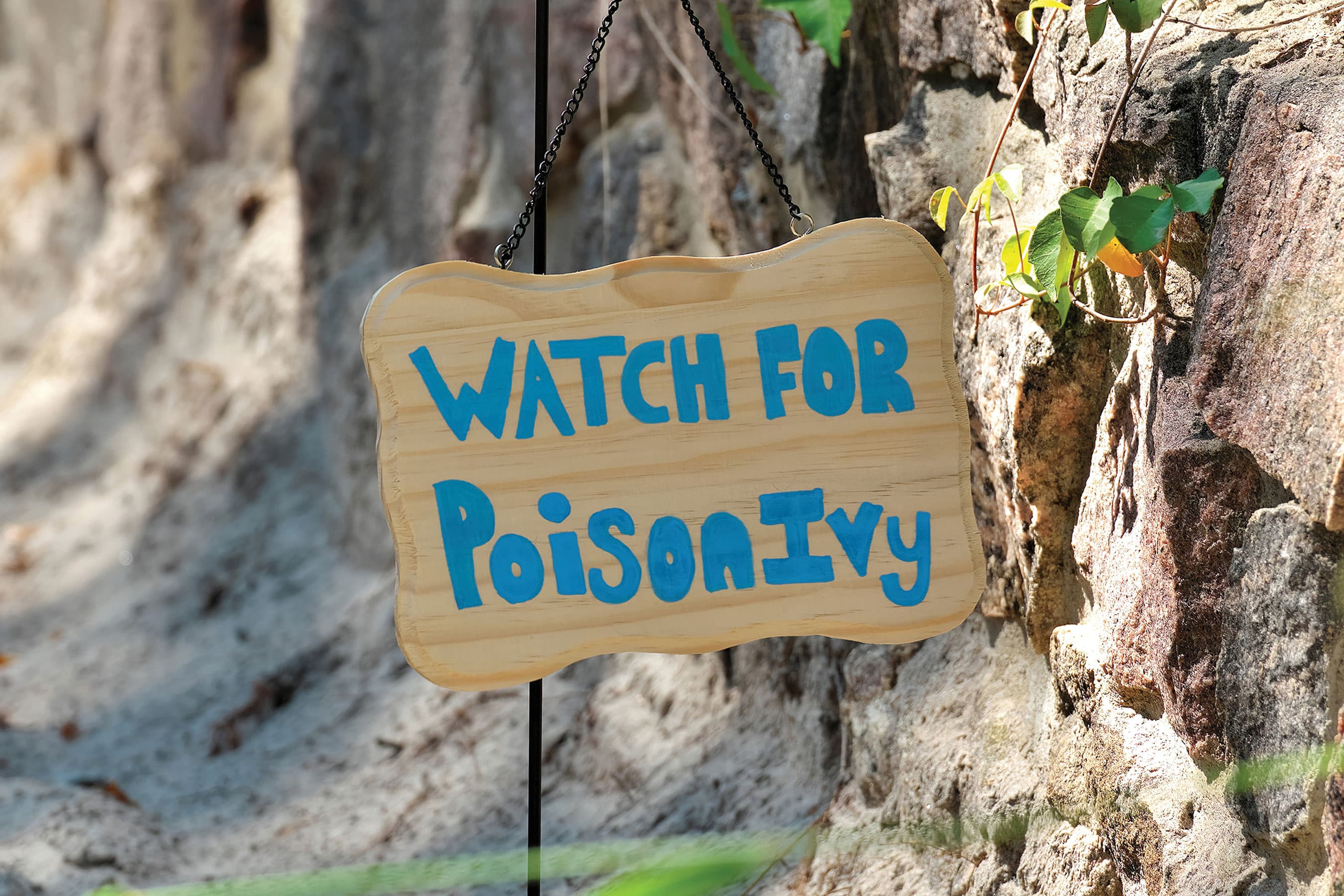
| Dry, red, itchy patches of skin. Blisters may drain and then crust over. | Contact dermatitis. This is from direct contact with something that bothered the skin. Examples are cleaning items, cosmetics, and metals in jewelry. Poison ivy, oak, and sumac cause this type of rash. | See Doctor if there are signs of infection: Red streaks, fever, pus, or the redness, swelling, or pain gets worse. Self-Care
|
| Patches of skin that are dry, red, scaly, blistered, and swollen. Sometimes the skin looks thick, discolored, or oozes fluid and crusts over. | Eczema (atopic dermatitis). This problem tends to run in families. It is common in persons with asthma or allergies. Contact with irritants may worsen eczema. | See Doctor if Self-Care Tips don’t bring relief or if there are signs of infection: Red streaks, fever, pus, or the redness, swelling, or pain gets worse. Self-Care
|
| Small patches of rough, red skin and tiny pimples on the buttocks, thighs, and/or genitals. This hurts, but doesn’t itch. | Diaper rash. This is often related to wet diapers, skin sensitivity, and chafing. | See Doctor if there are blisters or small red patches outside the diaper area, such as the chest. Self-Care
|
Flat, red spots that become raised and look like small pimples. Then they turn into small blisters that break and crust over. Other symptoms:
| Chickenpox. This is caused by the varicella-zoster virus.* Chickenpox vaccines prevent chickenpox. | See Doctor if self-care tips don’t bring relief or if there are signs of infection: Fever or pus or if the redness, swelling, or pain gets worse. Self-Care
|
Blotchy, red rash that starts on the face and spreads to the rest of the body. The rash lasts about 7 days. These signs come before the rash:
| Measles. This is caused by a virus.* MMR vaccines prevent measles.  | Call Doctor right away to be sure the problem is measles. Do the things the doctor tells you to do. Let the child’s school and local health department know if it is measles. It is usually okay for your child to go back to school about 7 to 10 days after the rash and fever go away. Self-Care
|
| Red rash that usually starts on the face. It looks like the child’s cheeks have been slapped. Then a lacy red rash shows up on the chest, back, stomach, arms and legs. Cold-like symptoms may also be present before the rash appears. | Fifth Disease. This is caused by the Human parvovirus B19.*
 | Self-Care
|
| Rash with small red pimples, pink blotchy skin, and itching. Common sites are between skin folds (armpits, under the breasts, the groin). | Heat rash. This happens when the skin sweats too much. | Self-Care
|
| Scaly, crusty rash in newborns. It starts behind the ears and spreads to the scalp. | Cradle cap. Hormones that pass through the placenta before birth causes this. | Self-Care
|