Macular Degeneration

Macular degeneration is a progressive eye disorder. Known as age-related macular degeneration (AMD), it is the most common cause of central vision loss in older adults. The central part of the retina (the macula) deteriorates. This results in the loss of central (straight-ahead) vision. One or both eyes may be affected.
Types
The most common type is called the dry form. With this, cells under the retina do not function well, causing subtle to overt blank spots in central vision. Only 1 to 2% of people with the dry form have a lot of vision loss.
In the wet form, tiny blood vessels leak blood or fluid around the macula. The wet form is less common than the dry form. It causes more vision loss, though.
Vision with Macular Degeneration

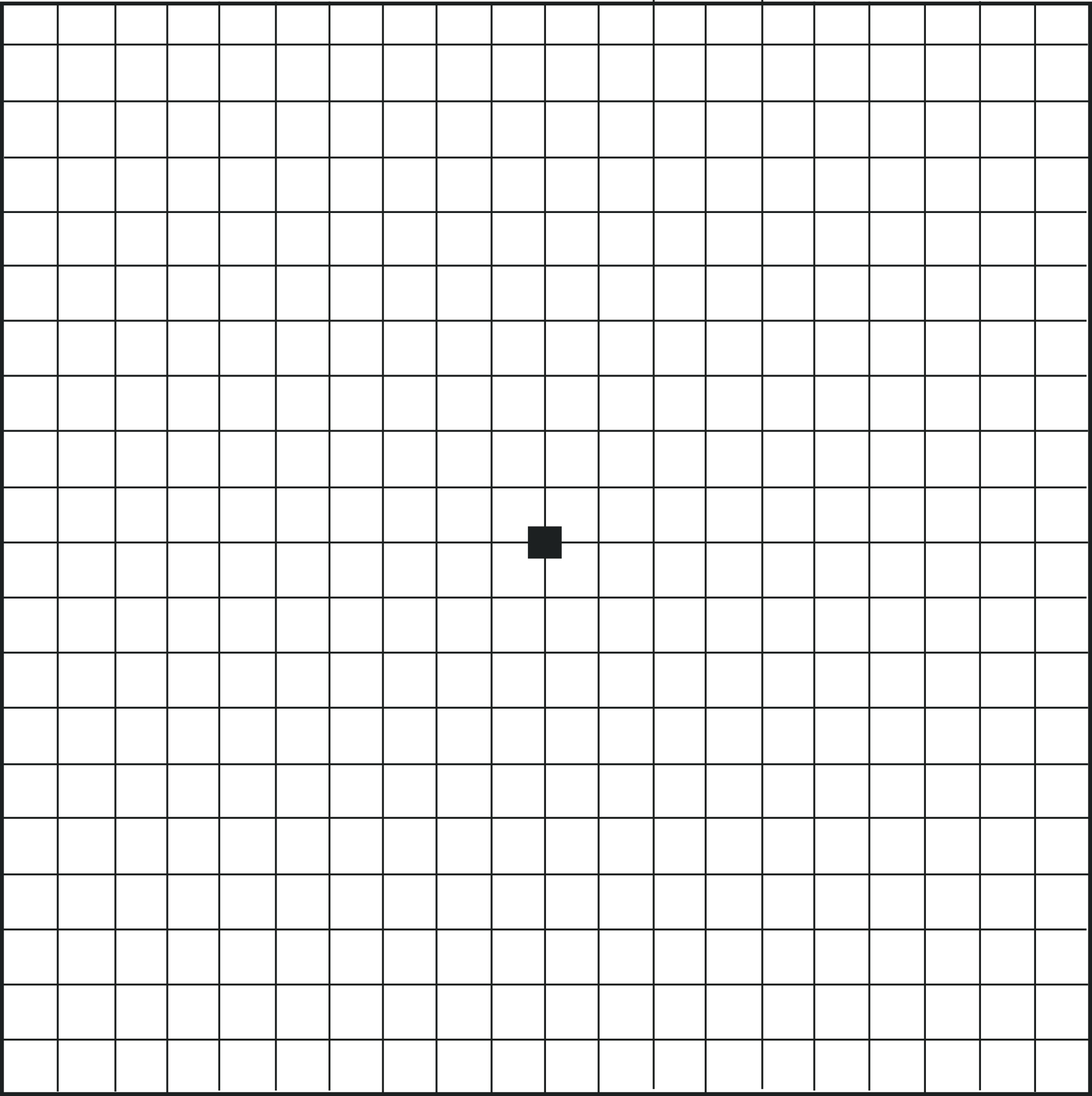
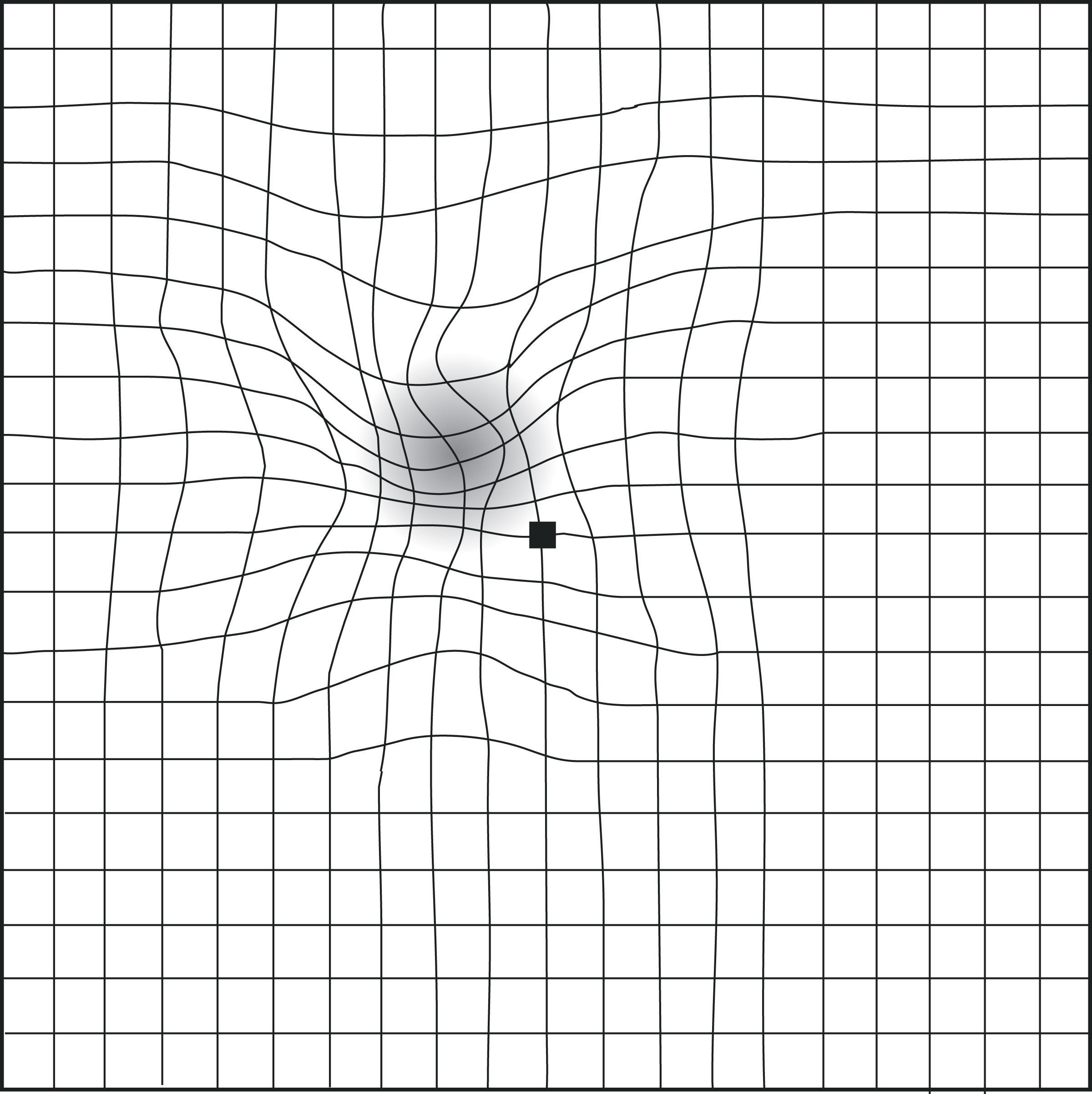
Cover one eye and stare at the center dot in this grid. Seeing blurry, curvy, or distorted lines or empty spots could be a sign of macular degeneration. Repeat, covering the other eye.
This grid shows how the lines might look to someone with macular degeneration.
Signs & Symptoms
Macular degeneration is painless. It usually develops gradually, especially the dry form. With the wet form, symptoms can occur more rapidly. Symptoms for both forms are:
- Blurred or cloudy vision
- Seeing a dark or blind spot at the center of vision
- A hard time reading or doing other close-up work
- A hard time doing any activity, such as driving, that needs sharp vision
- Complete loss of central vision. Side vision is not affected.
Causes
The exact cause of age-related macular degeneration (AMD) is not known. Risk factors include:
- Age 55 and older
- Cigarette smoking
- High blood pressure
- Family history of AMD
- Caucasian
- Exposure to ultraviolet light