HealthyLearn Site Navigation:
Online Clinic
Heart & Circulation
Peripheral Artery Disease
September 2, 2026
© American Institute for Preventive Medicine. All Rights Reserved. HealthyLife.com
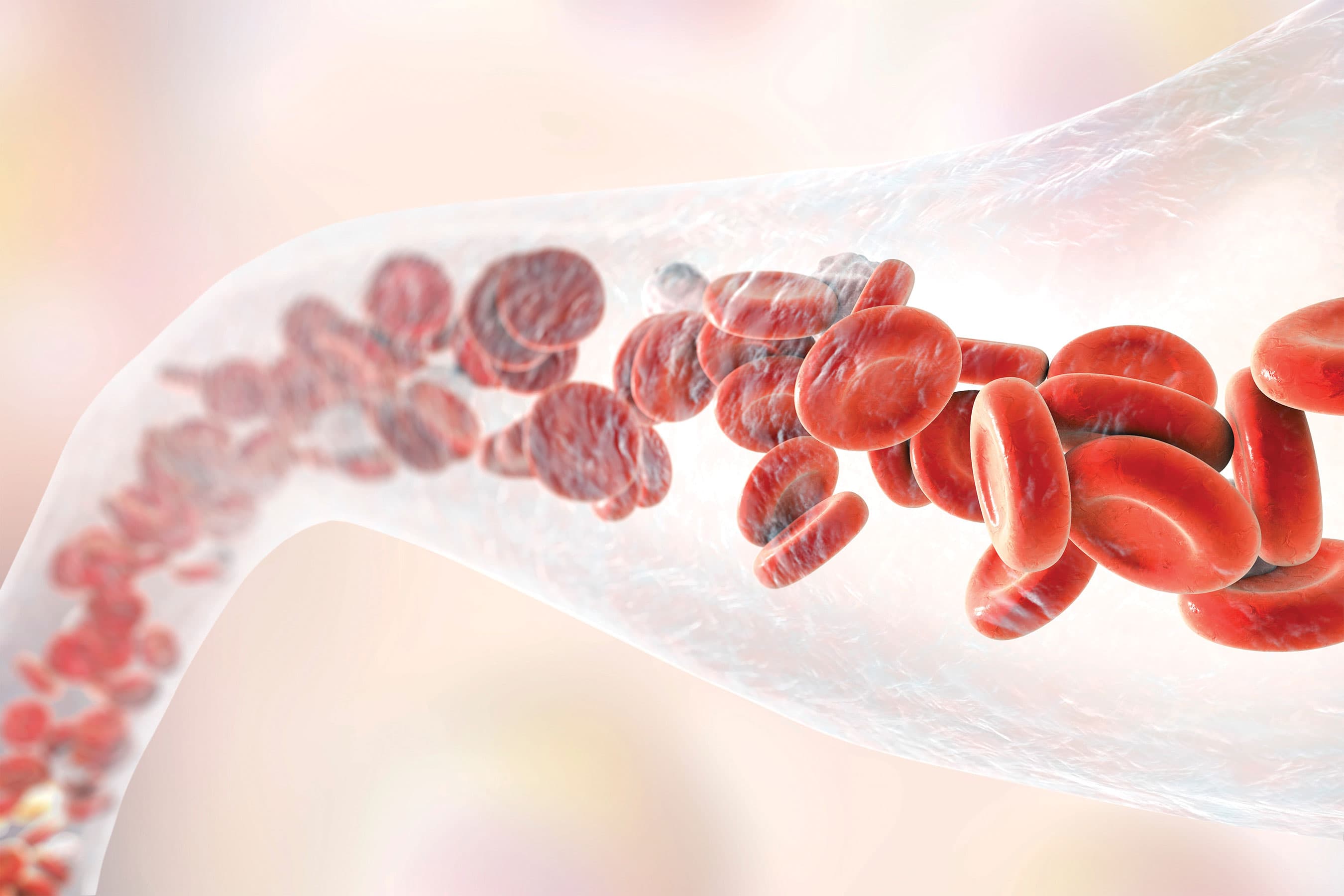
Peripheral artery disease (PAD) is a narrowing of the peripheral arteries which takes blood away from the heart to other parts of the body. Blood flow is reduced. This is most common in the legs and much less common in the arms. Often, PAD occurs with coronary artery disease.
Signs & Symptoms
- Muscle pain in one or both legs when walking, especially when walking fast or uphill. The pain lessens or goes away with rest. Pain can be in the calves (most often) or thighs. Much less often, it can also be in the arms, fingers, lower back, buttocks, or the foot arches.
- Fatigue that improves with rest
With severe disease, symptoms are:
- Muscle pain at rest, especially at night
- Cold or numb feet
- Weak or no pulse in the affected limb
- Pale, bluish-colored toes
- Open sores on the lower leg, toes, or ankles
- Shiny and hairless skin on affected areas
Causes, Risk Factors & Care
- Smoking or regular exposure to secondhand smoke
- Diabetes, especially in women. {Note: If you have diabetes and smoke cigarettes, you are very prone to PAD. If you have diabetes, YOU MUST NOT SMOKE.}
- Fatty buildup (plaque) in the arteries
- High blood cholesterol
- High blood pressure
- Being elderly
- Taking some medications, such as beta-blockers, to lower high blood pressure. {Note: Don’t stop taking any prescribed medicines on your own. Consult with your doctor.}
- Lack of exercise
- Obesity
- Chronic kidney disease
Treatment
- A graduated exercise program, such as walking.
- Medicines, such as ones to lower cholesterol and/or high blood pressure and to improve blood flow
- Procedure, if needed, such as balloon angioplasty or bypass surgery
Self-Care / Prevention
- Get to and/or stay at a healthy weight.
- Follow a heart healthy diet. This includes eating plenty of vegetables, fruits, and whole grains. Limit saturated fat from fatty and processed meat and high-fat dairy. Also limit added sugars in sugary drinks and sweets, salt/sodium, and alcohol.