Skin Check

All skin types and skin colors can develop skin cancer. While it is true that Caucasians have a greater risk of skin-related cancer, everyone should protect their skin against the sun’s harmful rays.
Although fair-skinned people can often easily see stage 1 melanoma (dark spots, changing or new moles) and other cancers, darker skin makes catching it in the early stages more difficult. Also, darker-skinned people tend to develop a more lethal type of melanoma that develops on the soles of the feet, between the toes, on the fingers, fingernails, and the palms of the hands.
Let your health care provider know if you have any of these signs.
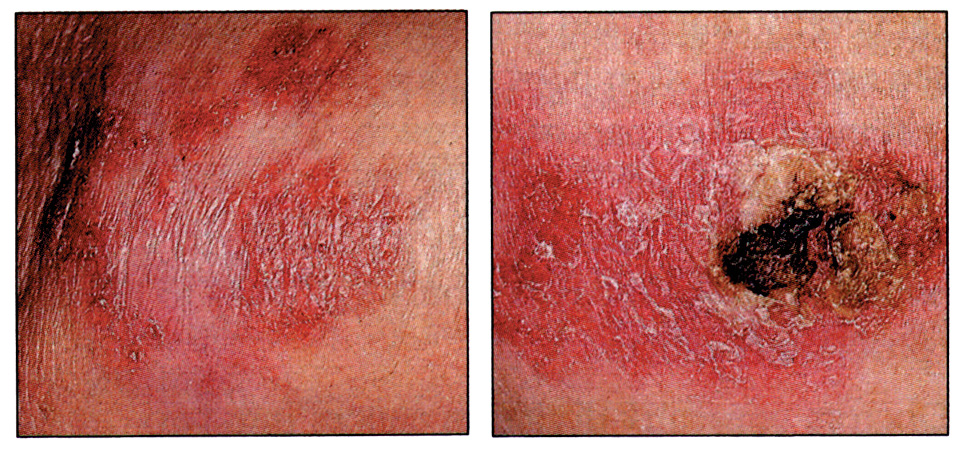
Basal cell & squamous cell cancers seldom spread to other parts of the body. Here’s what to look for:
- Small, smooth, shiny, pale or waxy lump
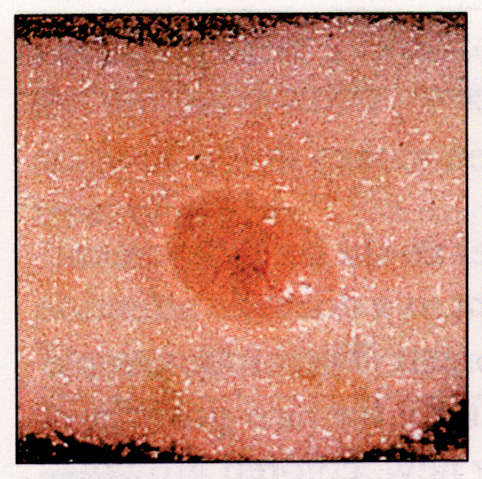
- Firm red lump
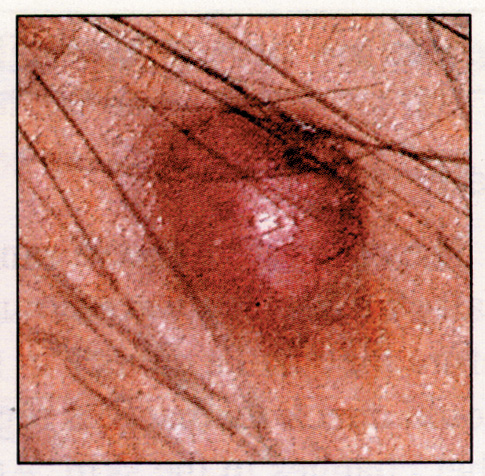
- Lump that bleeds or develops a crust
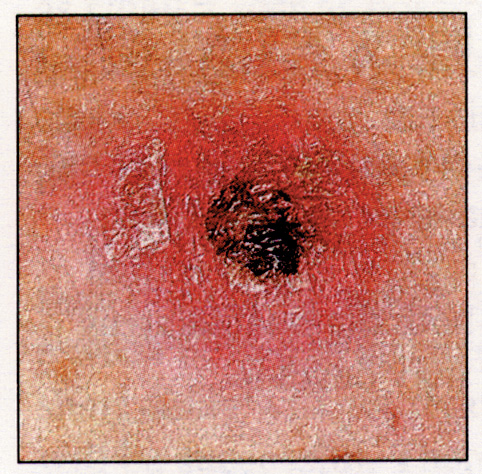
- A flat, red spot that is rough, dry or scaly and may become itchy or tender
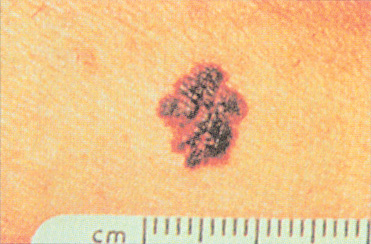
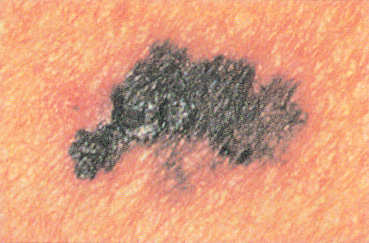
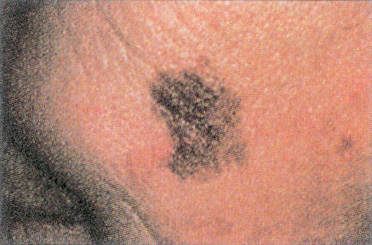
Melanoma can spread to other parts of the body and be fatal if not treated early. Often, the first sign is a change in the size, shape, or color of an existing mole. It also may appear as a new, abnormal, or “ugly looking’’ mole. Learn the ABCD and E’s that can help you detect it early.
Asymmetry – The shape of one half does not match the other.
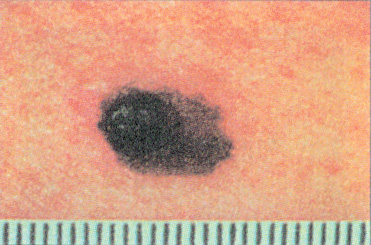
Border – The edges are ragged, notched, or blurred.