Insect Stings
Signs & Symptoms
- Quick, sharp pain
- Swelling
- Itching
- Redness at the sting site
- Hives
Insect stings can even result in a severe allergic reaction.
Signs of Severe Allergic Reaction (Anaphylaxis)
- Fainting or decreasing level of consciousness
- Shortness of breath or difficulty breathing or swallowing
- Severe swelling all over or of the face, lips, tongue, and/or throat
- Flushed or pale skin
- Wheezing
- Dizziness, weakness, and/or numbness
- Cool, moist skin or sudden onset of pale skin and sweating
Causes
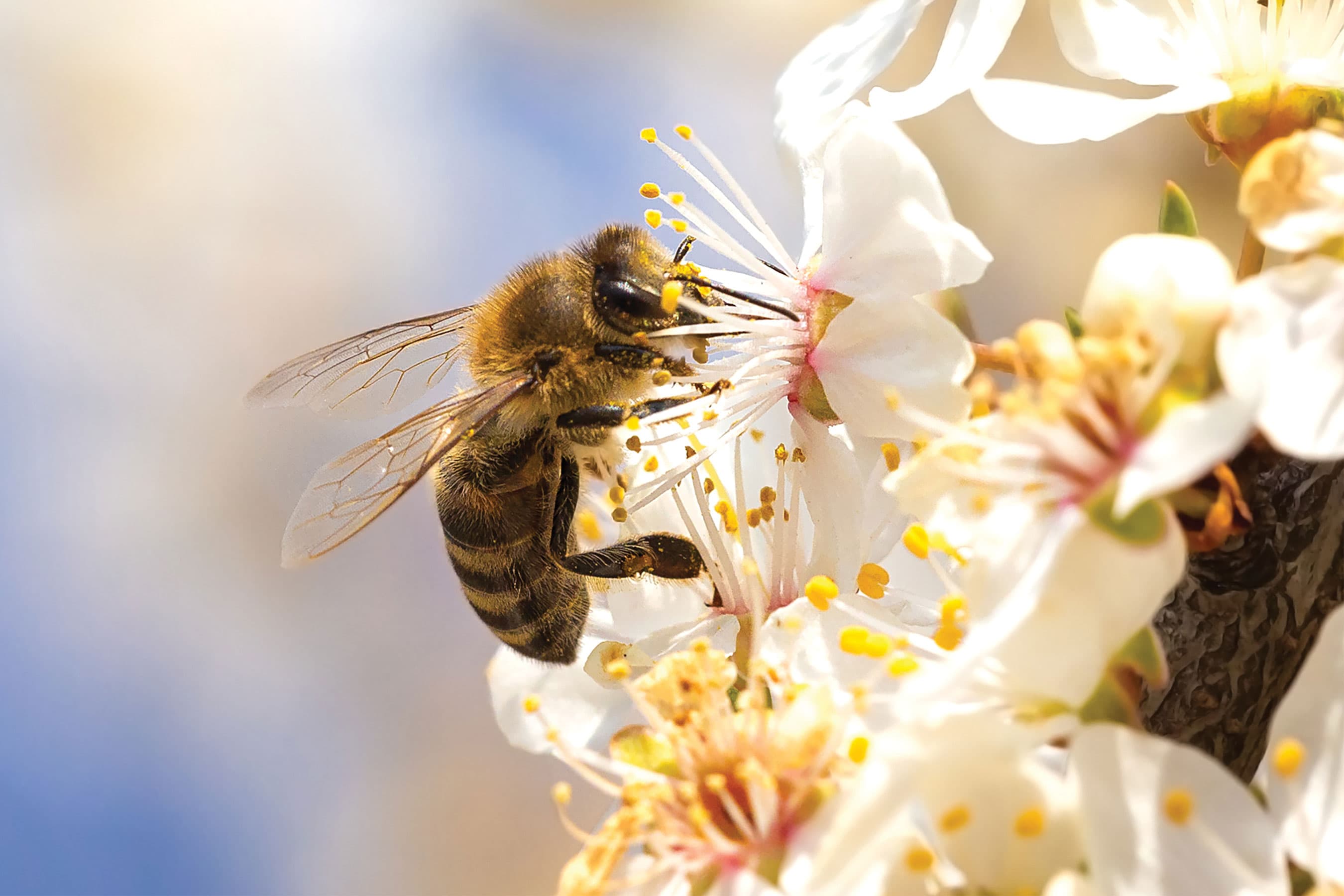
Insect stings come from bumblebees, honeybees, hornets, wasps, yellow jackets, and fire ants.
Treatment
Self-care treats mild reactions to insect stings. A severe allergic reaction needs immediate care. Symptoms of a severe allergic reaction usually happen soon after or within an hour of the sting.
If you have had a severe allergic reaction to an insect sting, you should carry an emergency insect sting kit, prescribed by your doctor. You should also wear a medical alert tag that lets others know that you are allergic to insect stings. Persons who have had severe reactions to bee or wasp stings should ask their doctor about allergy shots.
Self-Care / Prevention
Avoid Insect Stings
- Keep food and drink containers tightly covered. (Bees love sweet things, like soft drinks.)
- Don’t wear perfume, colognes, or hair spray when you are outdoors.
- Don’t wear bright colors, like white or yellow. Choose neutral colors, like tan or khaki. Wear snug clothing that covers your arms and legs.
- Don’t go barefoot. If camping, look for insects in your shoes before you put them on.
- Wear an insect repellent, especially if you are sensitive to insect stings. Try wearing a head net to shield your head.
- Be careful when you work outdoors, pull weeds, mow tall grass, and work around shutters. Bees often build hives behind shutters.
- If an insect that stings gets in your car, stop the car. Put the windows down. Once the insect leaves, resume driving.