HealthyLearn Site Navigation:
Online Clinic
Common Skin Conditions
Skin Conditions
Mature Health
Shingles
August 18, 2026
Shingles (herpes zoster) is a painful skin rash illness. It is triggered by the chicken pox virus that reactivates in the body later in life. Most often, shingles occurs in people over 50 years old.
Signs & Symptoms
- Pain, itching, or a tingling feeling before a rash appears.
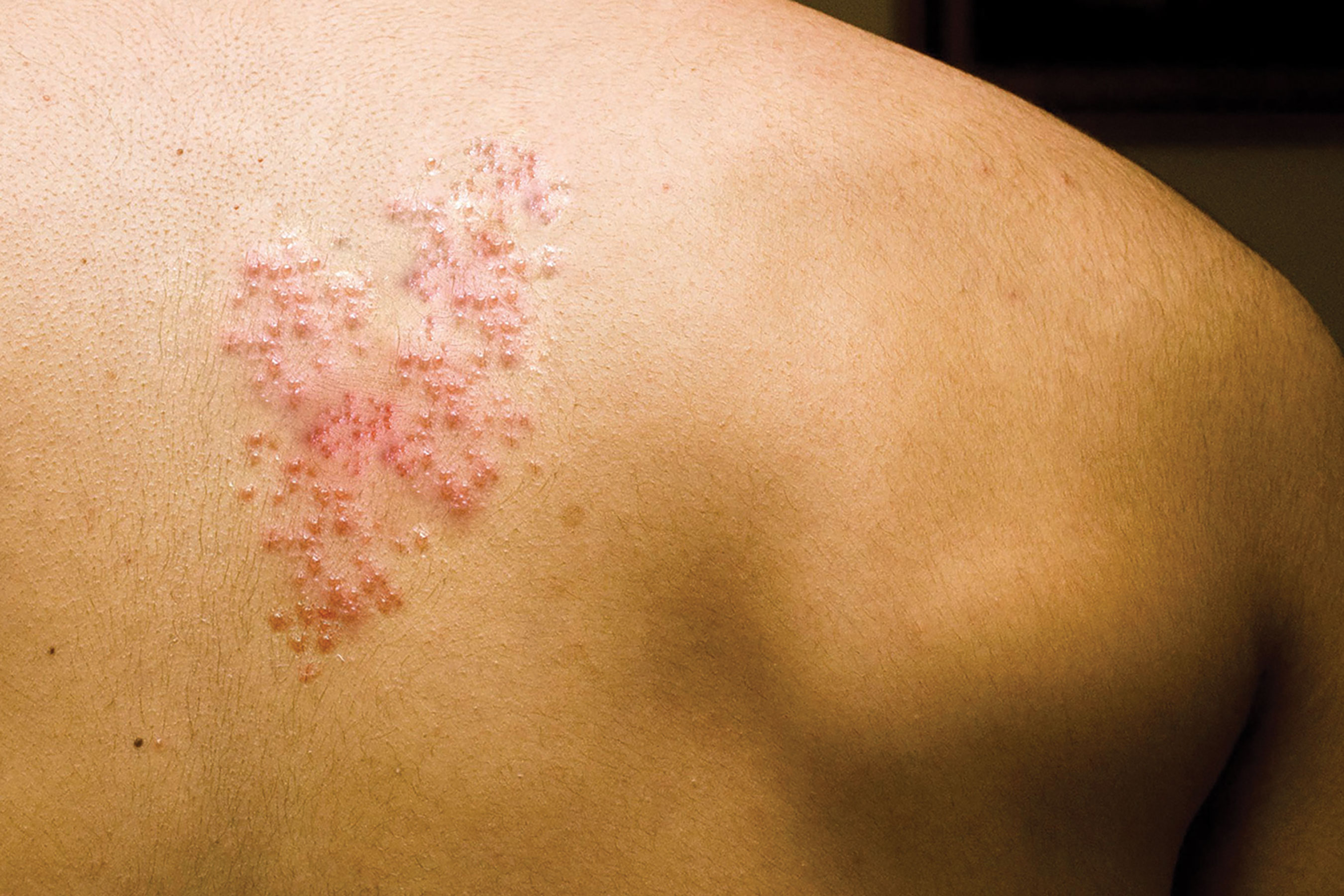
- A rash of painful red blisters. These later crust over. Most often, the rash appears in a band on one side of the body or in a cluster on one side of the face.
- Fever and general weakness can occur.
- The scabs fall off, usually within 3 to 4 weeks.
- Pain can persist in the area of the rash. This usually goes away within 1 to 6 months. Chronic pain called postherpetic neuralgia (PHN) can last longer, even for years. The older you are, the greater the chance that this is the case. The recovery time may also take longer.
- Blindness can occur if the eye is affected.
Causes
The virus that causes chicken pox – varicella zoster virus (VZV) causes shingles. To get shingles, you must have had chicken pox.
You are more likely to get shingles after an illness or taking medicine that lowers the immune system. Stress or trauma can also increase the risk for shingles.
Treatment
If you think you might have shingles, see your doctor right away! They can prescribe:
- An oral antiviral medicine. This can make symptoms less severe and help you get better sooner. These medicines can also lower the risk of complications. To help, this medicine needs to be started within 72 hours after the rash first appears.
- Medicine for pain. This includes over-the-counter pain relievers and capsaicin topical cream. Prescribed medicine may be needed for pain. Skin patches with capsaicin or lidocaine may be helpful for PHN.
- Other medicines to treat symptoms
Self-Care / Prevention
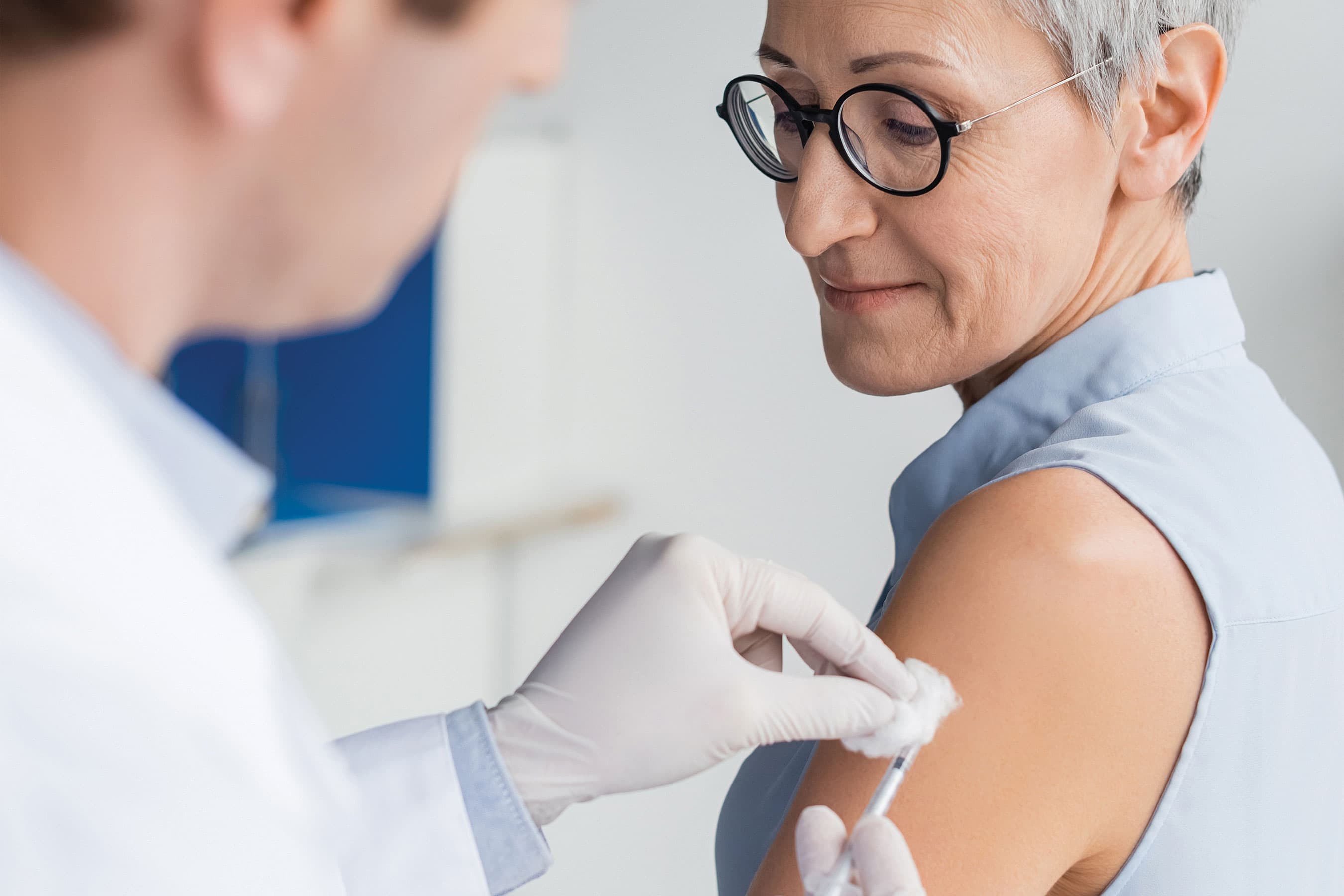
- A shingles vaccine is very effective in preventing shingles and the pain (PHN) due to shingles. The vaccine is advised for persons age 50 and older and those with weakened immune systems.
- Unless your doctor has prescribed pain medicine, take an over-the-counter one as directed.
- Keep sores open to the air. Until the blisters are completely crusted over, avoid children or adults who have not yet had chicken pox or persons who have a condition which weakens their immune system. Examples are cancer, HIV/AIDS, and chronic illnesses. They could get chicken pox from exposure to shingles.