Shingles
_Cover_web.jpg&w=3840&q=75)
Shingles is a painful viral infection. It is caused by Varicella Zoster virus, the same virus that causes chicken pox.
The outbreak occurs mostly in people 50 years of age and older. The virus can lie dormant in the nerve tissue of the body for many years, then becomes activated and causes shingles later in life.
Shingles is not passed from one person to another. However, the virus that causes shingles can spread from a person with active shingles to another person who has never had chicken pox. In such cases, the person exposed to the virus might develop chicken pox, not shingles.
If you are diagnosed with shingles, you are contagious as long as you have blisters and ulcers. It is important to cover your rash and wash your hands frequently. It also is important to avoid people who have not received the chicken pox vaccine, pregnant women and anyone with a weak immune system.
A shingles outbreak can last several weeks. Before the rash appears, the following symptoms may occur:
- Fatigue
- Headache
- Tingling
- Itching
- Burning Pain
After a few days, a blistering rash in clusters appears. The shingles rash is always located along the involved nerve pattern called a dermatome, typically in a band on one side of the body. Most often, the rash is on the chest and/or back, but can occur on other body parts.
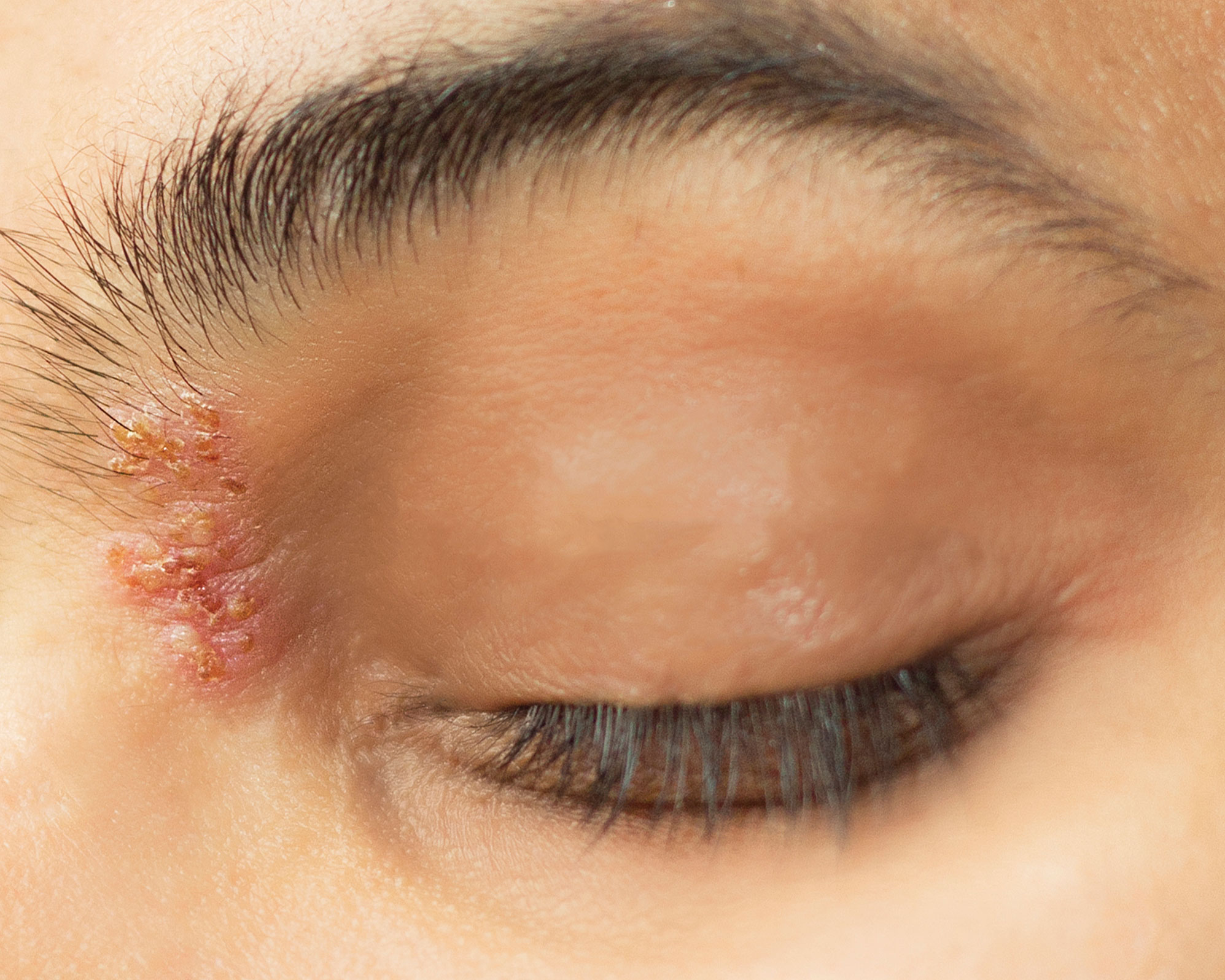
If you develop shingles on your face, especially near your eye, you should seek immediate medical care as this type may result in loss of vision. The blisters that form will pop in a few days and become open sores, which are contagious. Usually, these ulcers scab over within 7 to 10 days and the rash goes away within 4 weeks.
Fortunately, there is antiviral medication to help slow the virus and speed recovery. The earlier the medication is started, the more effective it is against the virus and possible complications.
Most people with shingles do not suffer any complications. Still, there is a 10% chance of developing a painful condition called post-herpetic neuralgia after the rash has gone away. The pain can last from a few months to a year.
You can greatly decrease your risk of developing shingles and its complications by getting the shingles vaccine. Two doses of the shingles vaccine (separated by 2 to 6 months) is recommended for adults 50 years and older or for younger adults with weakened immune system.