Gestational Diabetes
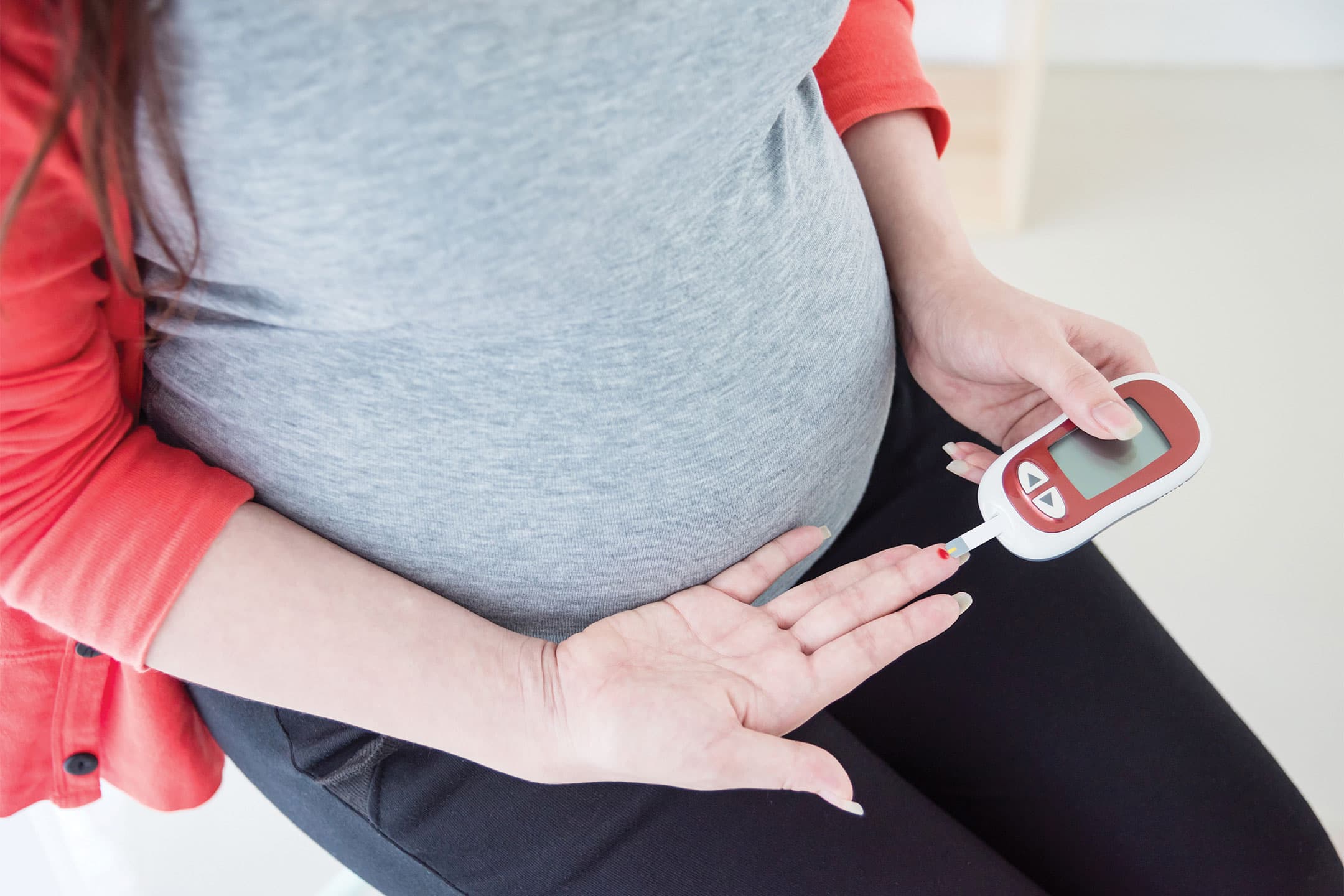
A pregnant woman can have diabetes. If she didn’t have it before the pregnancy, it’s called gestational diabetes. (Gestational refers to pregnancy.) It can begin any time during pregnancy. It usually begins in the last half, though. It goes away after the baby is born. But the woman has a greater risk of getting diabetes later.
Symptoms
- Feeling very tired
- Rapid weight gain
- Feeling very thirsty
- Having to pass urine often
Also, a sign for gestational diabetes is when the baby gets too big during the pregnancy.
All pregnant women should be screened for diabetes. Screening happens through urine and blood tests, often between 24 and 28 weeks of pregnancy. Women who are at a higher risk for gestational diabetes may be tested earlier in pregnancy. Those are part of routine prenatal health care visits.
Causes
Any pregnant woman can develop gestational diabetes. But risk factors may be:
- Obesity before pregnancy
- High blood pressure before pregnancy
- Having a baby that weighed more than 9 pounds at birth in the past
- Having a stillbirth in the past
- Having a child with a birth defect in the past
- Being older than 25
- Being pregnant with more than one baby
Treatment
Special problems can be avoided with treatment. Without treatment, the baby can get too big. The mother may not be able to have a vaginal birth. Other problems are preeclampsia and preterm birth. Preterm birth is when the baby is born 3 or more weeks before the due date. A woman with gestational diabetes can have a healthy baby by following a medical treatment plan. This includes checking blood sugar levels to make sure it stays in a healthy range. The provider teaches the mother to do this.
Blood sugar is controlled through:
- Healthy eating plan from your health care provider or dietitian
- Regular physical activity as advised by your health care provider.
- Insulin shots, in some cases, when diet and exercise are not enough. Insulin is a hormone, which keeps blood sugar in a healthy range.
- Having prenatal visits more often. The provider checks the mother’s daily blood sugar record. Tests are done to see how the baby is doing.
- Extra care at delivery
{Note